Suspension Parts
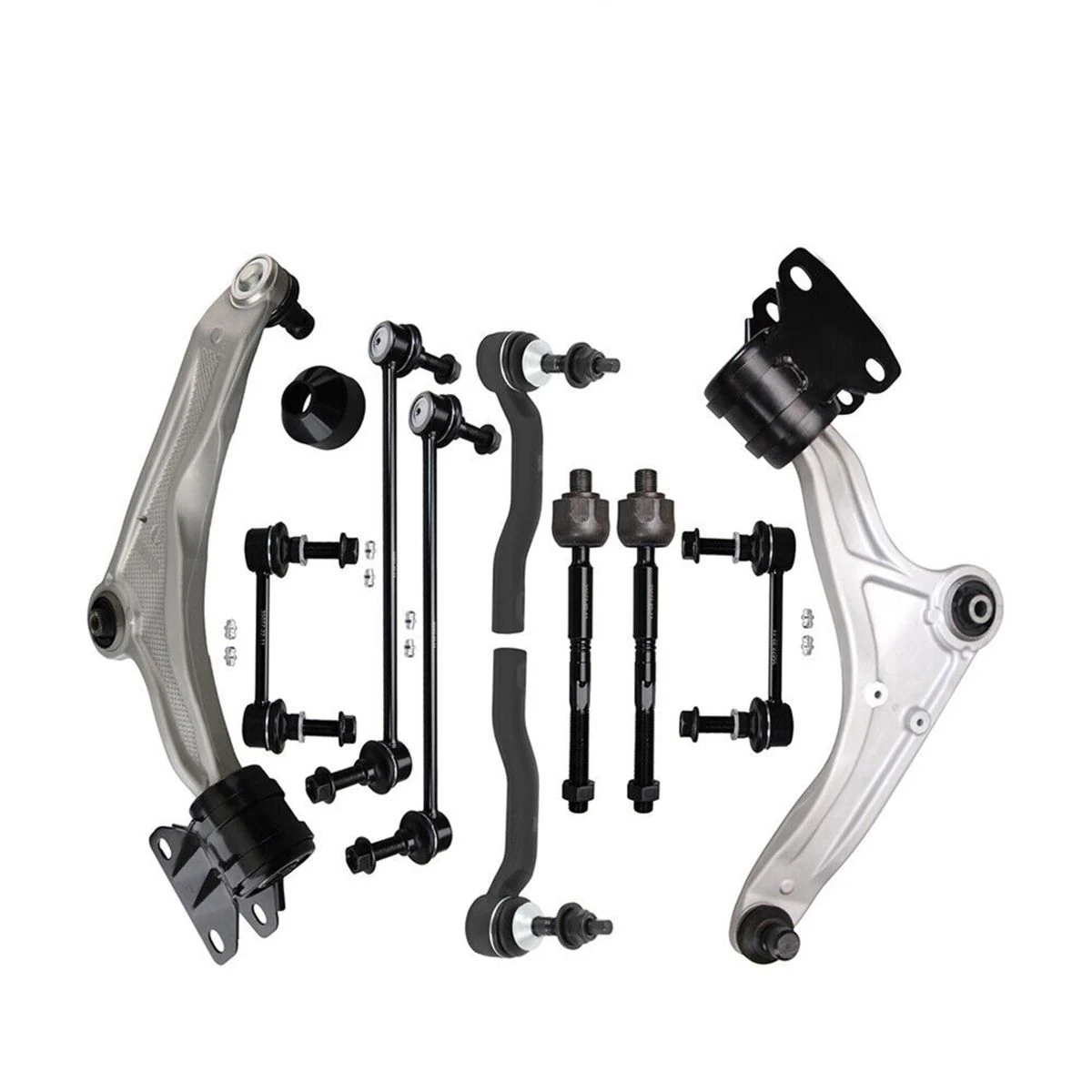
Control Arm and Suspension Arm Kits
The control arm ties the wheel hub to the body and lets the suspension move without losing alignment.
Overview
Control Arm
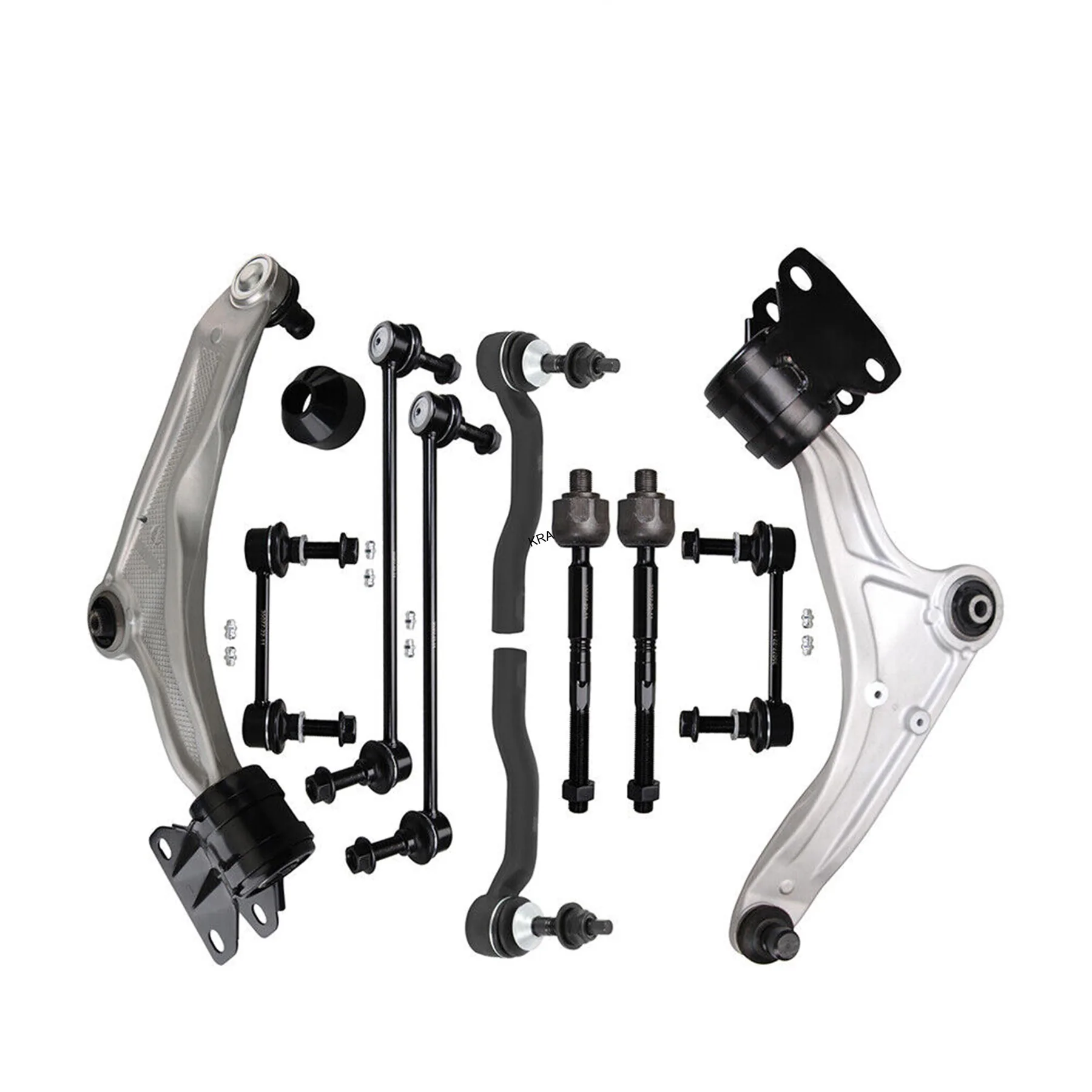
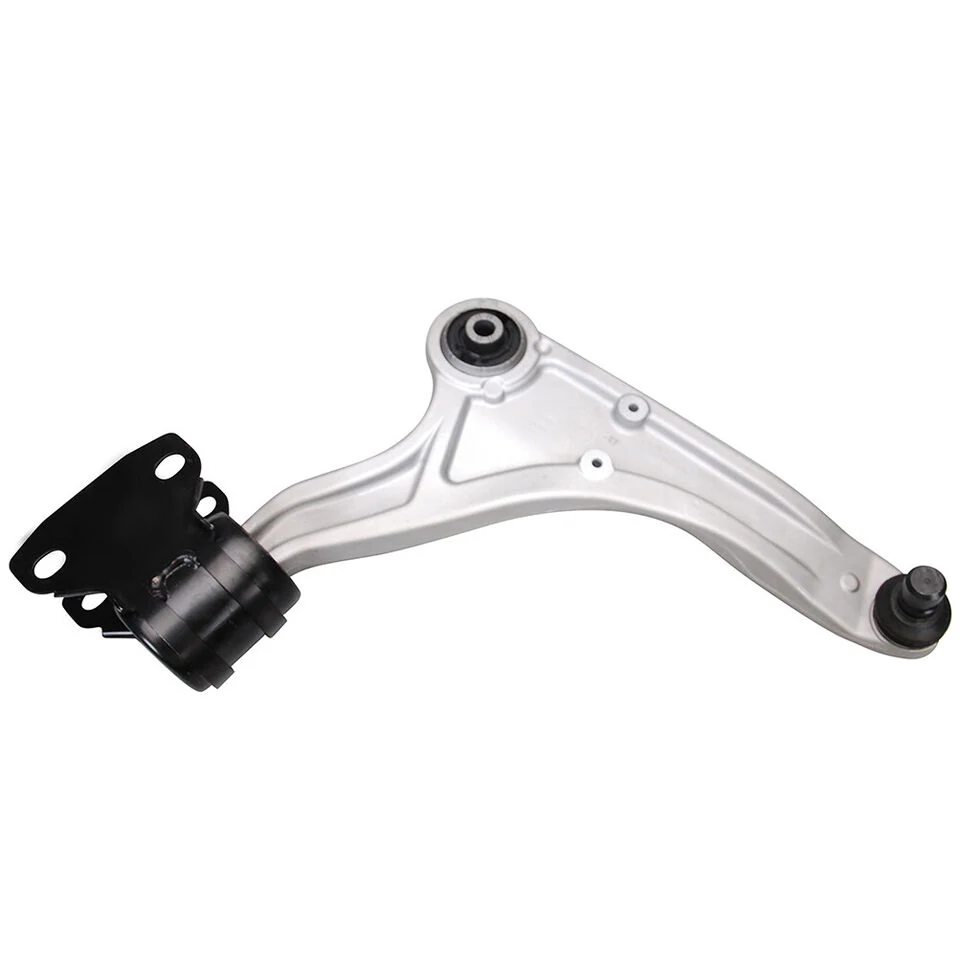
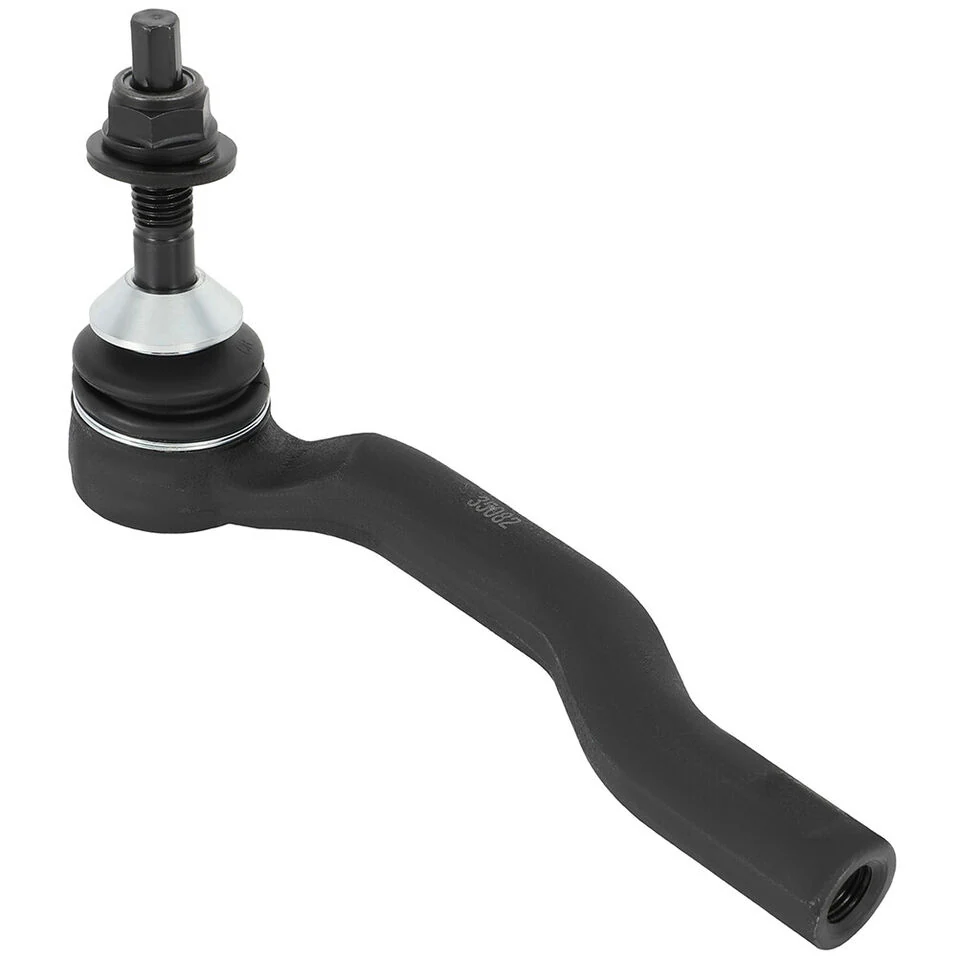
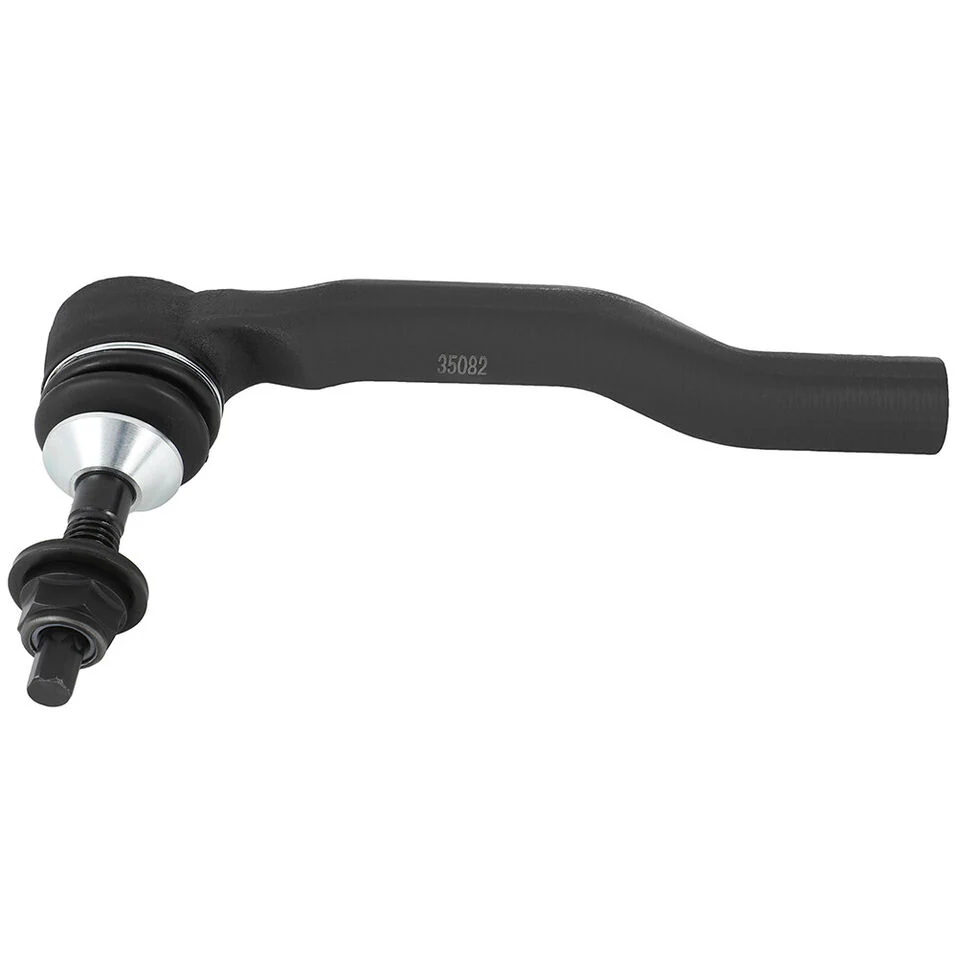
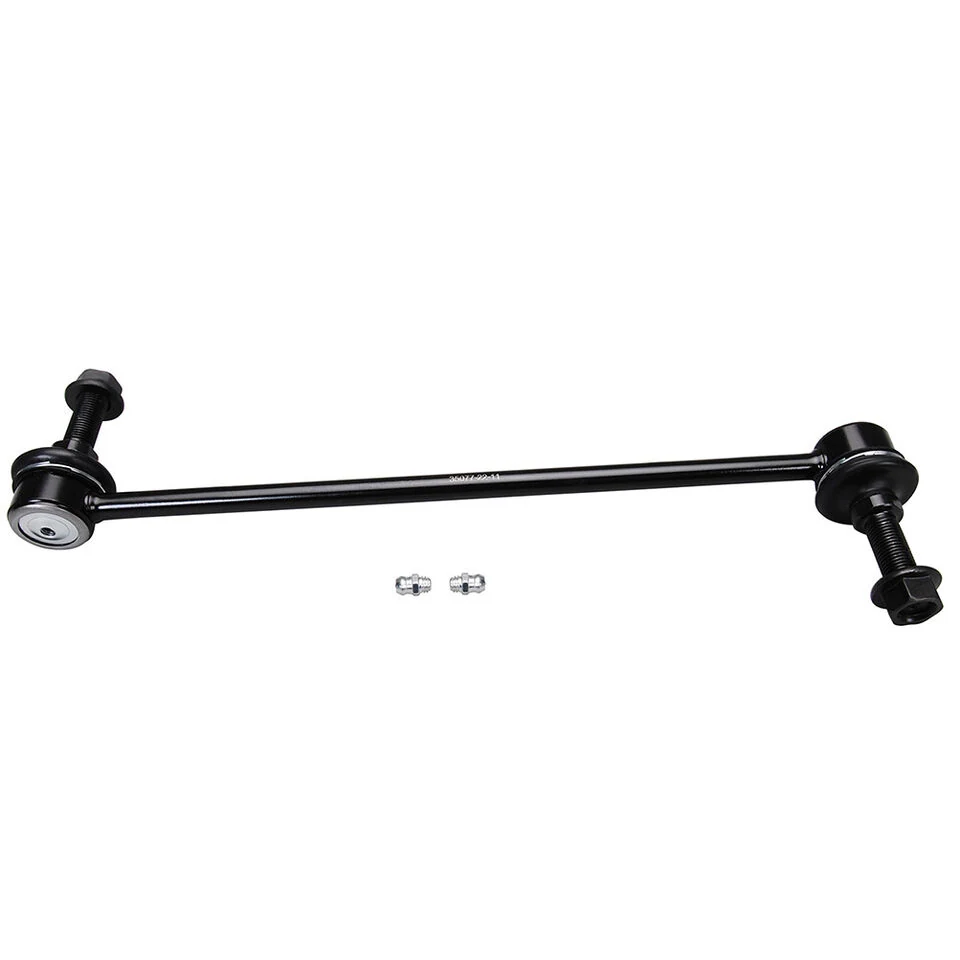
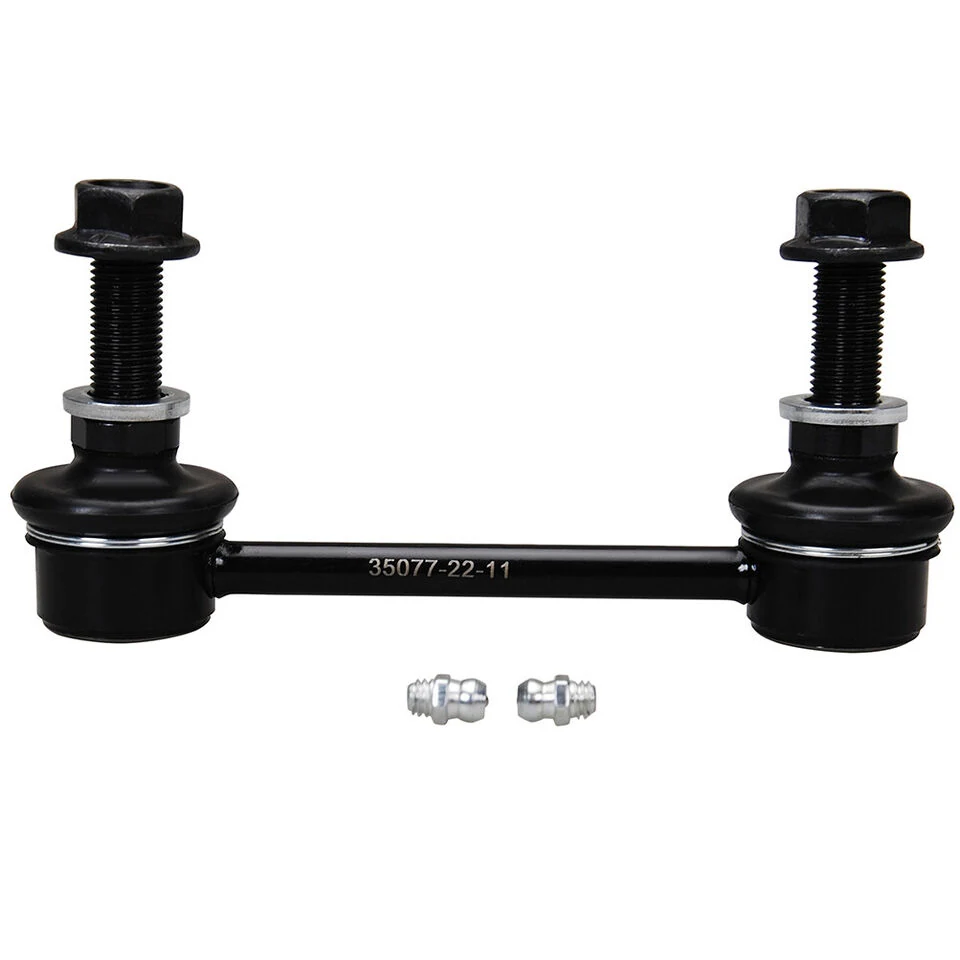
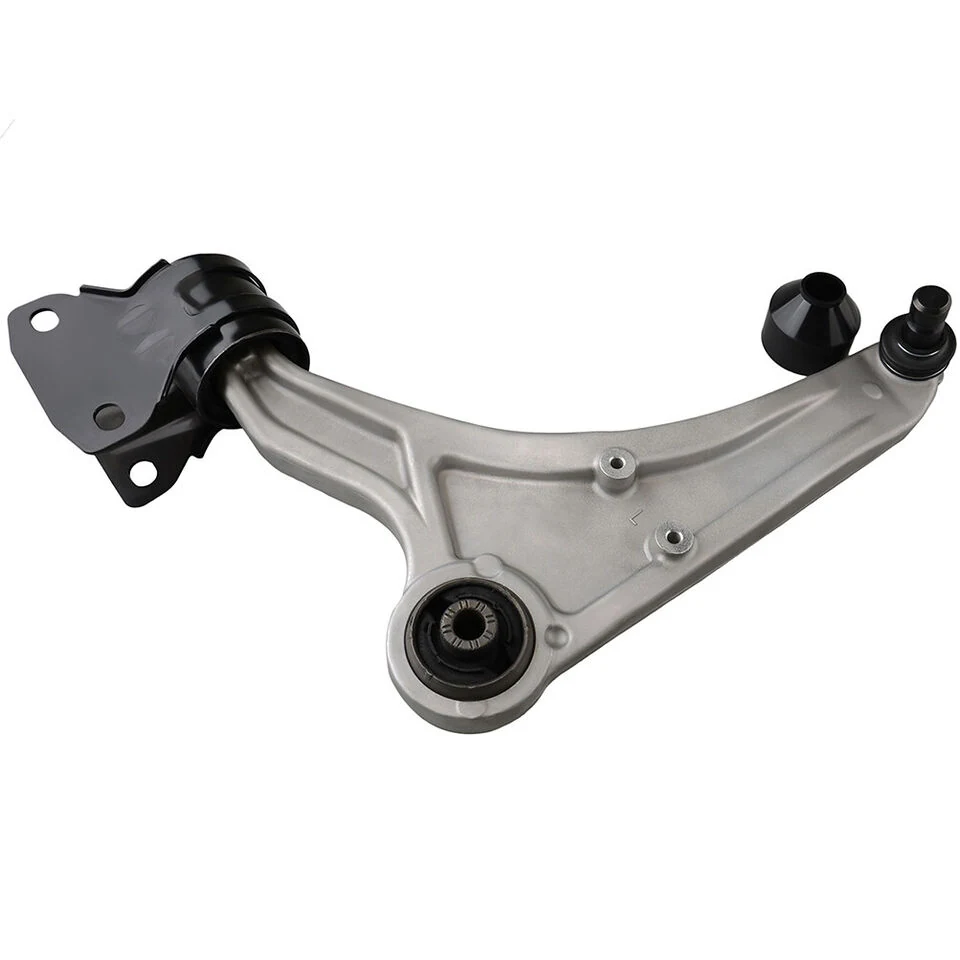
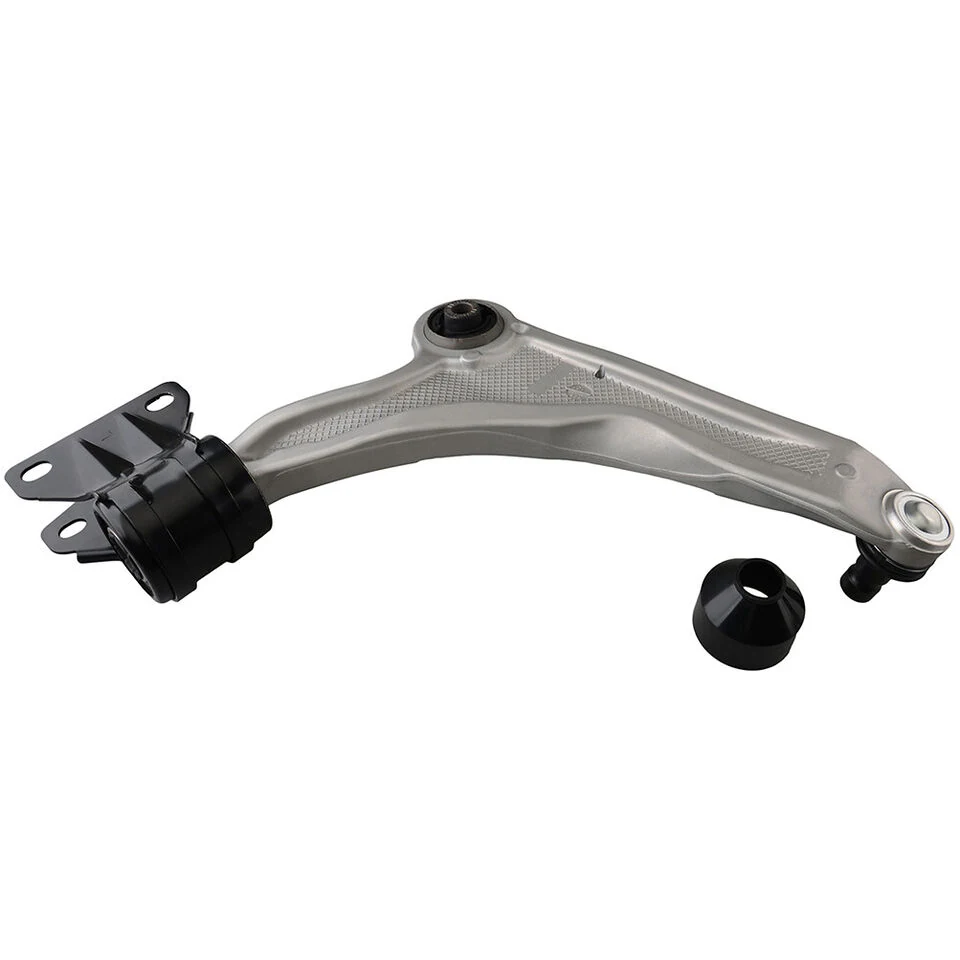
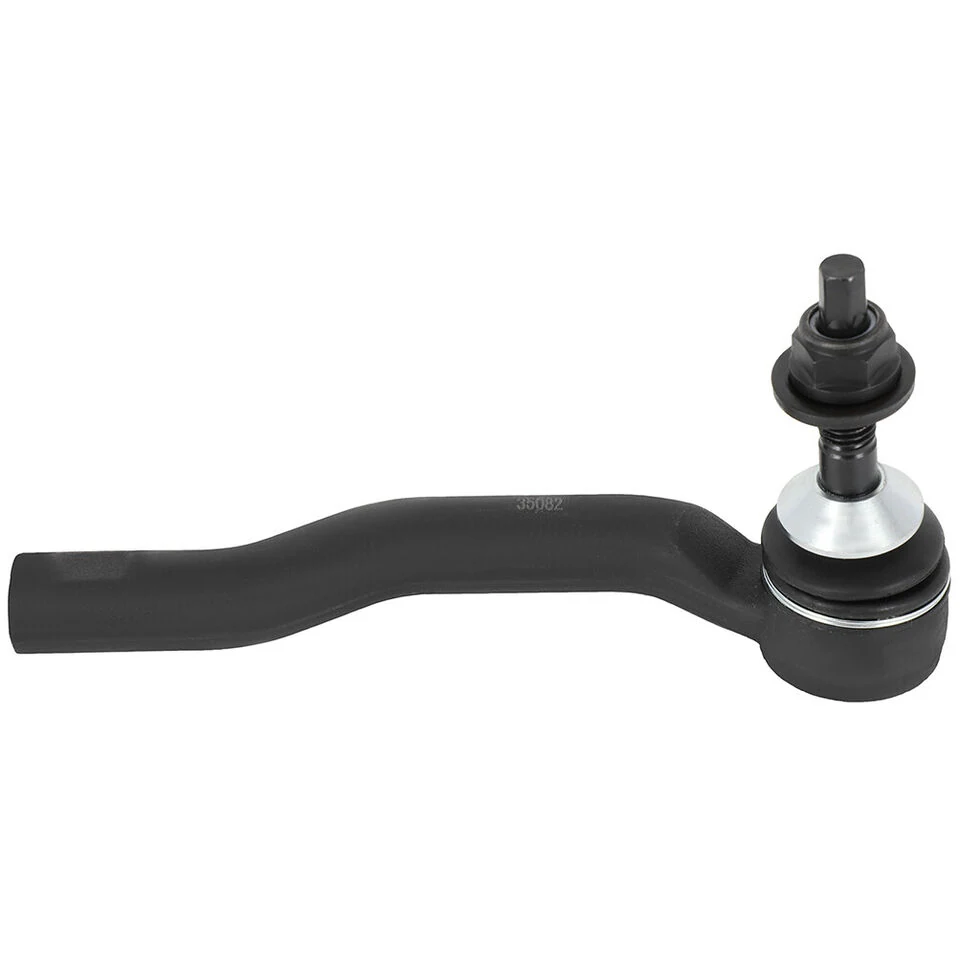
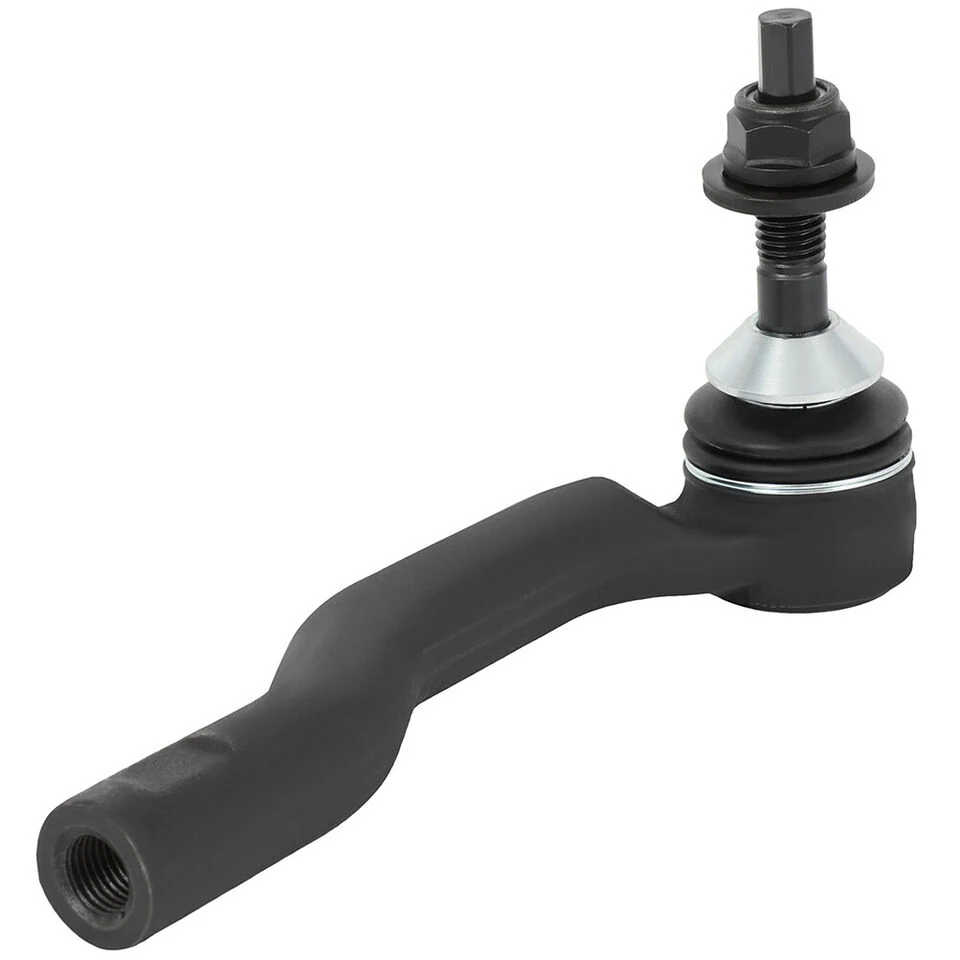
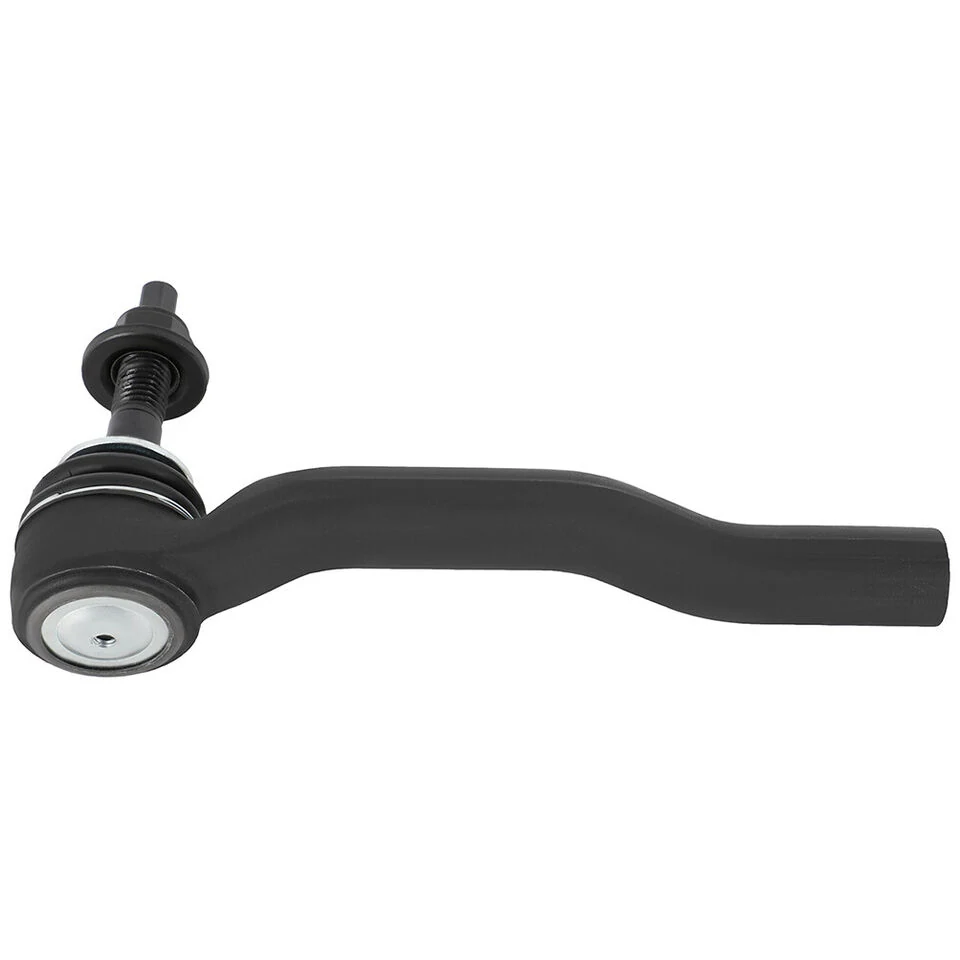
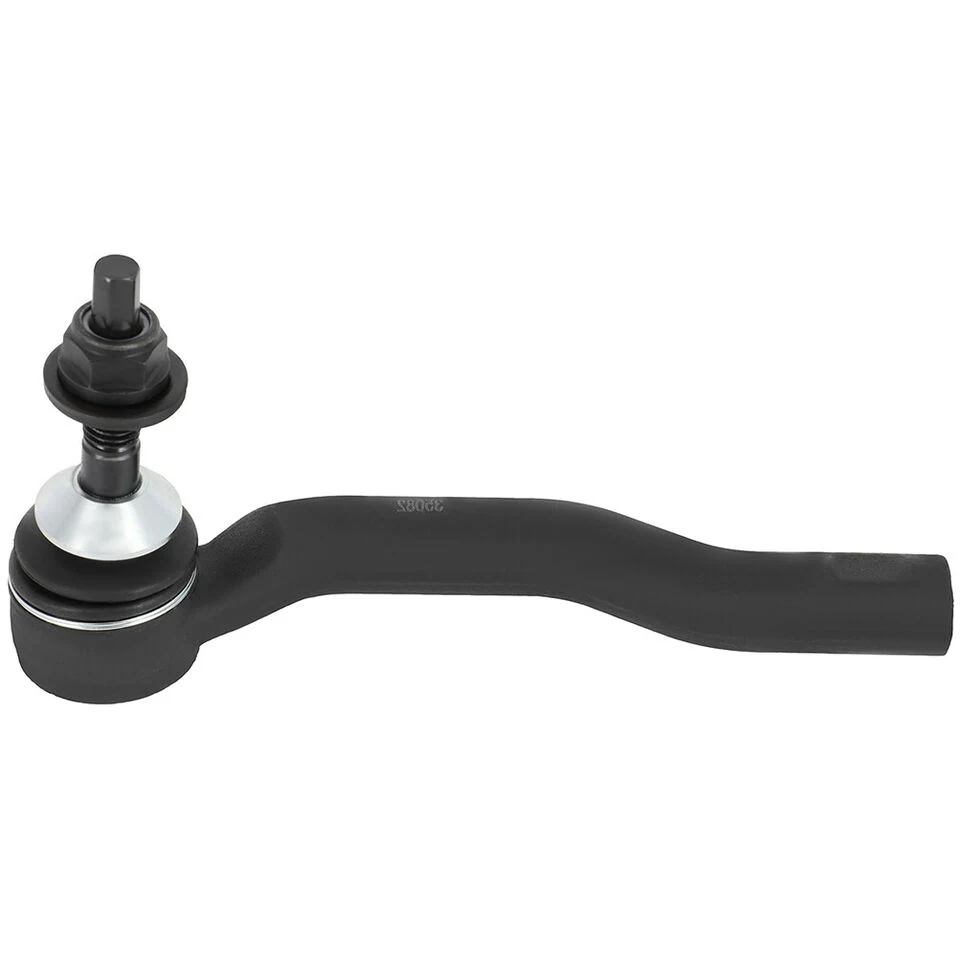
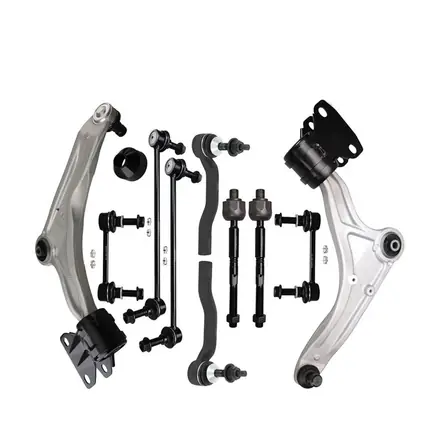
The control arm ties the wheel hub to the body and lets the suspension move without losing alignment. When the bushings go soft or the ball joint develops play, the customer hears clunking, the tyres wear unevenly and the steering wanders. We supply upper, lower and single arms, and complete arm kits that put the arms, links, ball joints and tie rod ends in one box.
Key Benefits
- Complete arm kits so an alignment job is done in one visit instead of two
- Upper, lower and single arms to suit double wishbone and MacPherson strut layouts
- Steel and aluminium bodies matched to the original application
- Matched by OE number, which is what tells the two arms apart on the same platform
- 1 piece minimum order for a single arm, or a kit when the whole corner is being rebuilt
Who It Is For
- Suspension and steering parts distributors
- Repair workshops that sell a corner rebuild rather than a single component
- Exporters covering chassis parts for European, American and Asian platforms
- Buyers assembling a suspension kit for one vehicle family
Problems It Solves
- Worn bushings that cause noise, vibration and poor handling
- Faulty ball joints that clunk, wear tyres unevenly and upset the steering
- Bent or damaged arms that hold the wheel out of alignment no matter how often it is set
- Buying arms and links from different suppliers and finding the geometry does not agree
Application Scenarios
- Suspension overhaul where worn bushings have thrown the alignment out
- Corner rebuild after a pothole impact has bent an arm
- Fleet servicing where clunking over bumps is the reported fault
- Distributor kits for high volume platforms where arms, links and rod ends are replaced together
Engineering
Technical Features
- Upper control arm sits above the wheel hub, mainly on double wishbone systems
- Lower control arm sits below the wheel hub, common on both MacPherson strut and double wishbone systems
- Single control arm serves simpler setups, typically paired with a strut
- Bushings and ball joints pressed and specified to the original application
Materials
- Steel, durable and strong, used on most vehicles
- Aluminium, lightweight and corrosion resistant, used on high performance and luxury vehicles
- Composite materials where the original balances strength, weight and durability
At a glance
| Arm types supplied | Upper, lower, single |
|---|---|
| Kit content | Arms, stabiliser links, ball joints and tie rod ends as shown per kit |
| Materials | Steel, aluminium, composite as per application |
| Matched by | OE number |
| Minimum order | 1 piece |
| Lead time, regular items | 45 days |
Values not present in the source part record are marked TBC and confirmed against your OE number before the order is placed.
Manufacturing
How It Is Made and Checked
Forging or stamping of the arm body
Machining of the bushing and ball joint seats
Pressing of bushings and joints
Assembly, inspection and kit packing
Quality Control
Arms are checked for bushing seat dimensions and ball joint retention before the kit is packed. The company runs to ISO 9001 and IATF 16949 quality management systems and provides lifetime maintenance support on the parts it supplies.
Customisation Options
Kit content can be built to your specification, for example arms only, arms plus links, or a full corner. Packaging and carton marking follow your scheme. New references take 30 to 45 days to develop.
Comparison
A steel arm is the normal choice where the original is steel: strong, repairable and inexpensive. An aluminium arm saves unsprung weight and resists corrosion, which is why performance and luxury platforms use it, but it cannot be straightened after an impact. Replacing a single arm is cheaper today; replacing the corner as a kit avoids a second alignment when the next joint gives out a month later.
Use Guide
Step 1
Identify the arm by OE number and confirm whether it is the upper, lower, left or right position
Step 2
Support the hub before removing the old arm so the driveshaft and brake hose are not loaded
Step 3
Fit the new arm and torque the bushing bolts with the suspension at ride height, not hanging
Step 4
Fit the ball joint and links supplied in the kit at the same time
Step 5
Set the wheel alignment before the vehicle is handed back
Component reference
How a Control Arm Works
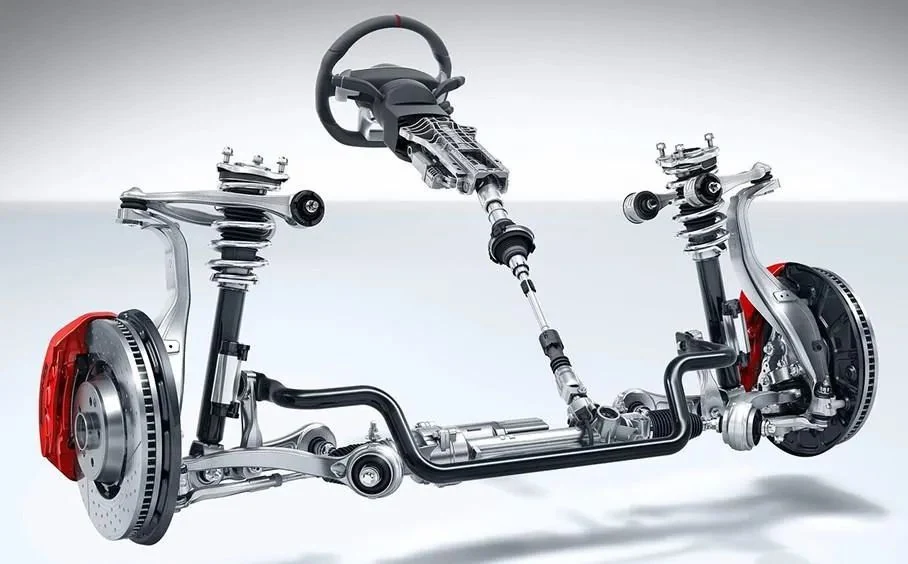
A control arm, also known as an A-arm or wishbone, is a critical component in a vehicle's suspension system. It connects the steering knuckle to the vehicle frame and allows for the up and down movement of the wheel, ensuring stability and smooth handling.
Key Characteristics of a Control Arm:
- Functionality: The control arm connects the wheel hub and steering knuckle to the vehicle's frame or body. It allows the wheel to move up and down with the suspension while maintaining the wheel's alignment and position. It helps absorb shocks from the road, contributing to a smoother ride and better handling.
- Components: Arm: The main body of the control arm, typically shaped like an "A" or a wishbone. Ball Joint: A pivot point that connects the control arm to the steering knuckle, allowing for movement in multiple directions. Bushings: Rubber or polyurethane components that cushion the connection between the control arm and the vehicle frame, reducing vibration and noise.
- Types of Control Arms: Upper Control Arm: Positioned above the wheel hub, primarily found in double wishbone suspension systems. Lower Control Arm: Located below the wheel hub, common in both MacPherson strut and double wishbone suspension systems. Single Control Arm: Used in simpler suspension setups, typically paired with a strut. Materials: Steel: Durable and strong, commonly used in most vehicles. Aluminum: Lightweight and resistant to corrosion, used in high-performance and luxury vehicles. Composite Materials: Offer a balance of strength, weight, and durability. Applications: Automotive Suspension Systems: Found in both front and rear suspensions of many types of vehicles, including cars, trucks, and SUVs. Performance and Racing Vehicles: Enhanced control arms made from lightweight materials for improved handling and reduced weight. Maintenance: Regular inspection for wear and tear, especially on ball joints and bushings. Replacement of worn or damaged bushings and ball joints to maintain proper alignment and handling. Ensuring that the control arm itself is not bent or cracked, which could compromise suspension performance. Common Issues: Worn Bushings: Can cause excessive noise, vibration, and poor handling. Faulty Ball Joints: May result in clunking noises, uneven tire wear, and steering problems. Bent or Damaged Arm: Can affect wheel alignment and vehicle stability.
Related products
Often Ordered Together
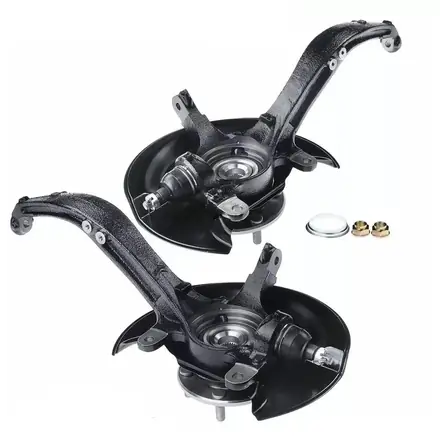
Steering Knuckle
The steering knuckle is the joint between the suspension, the steering and the wheel. It carries the hub and…
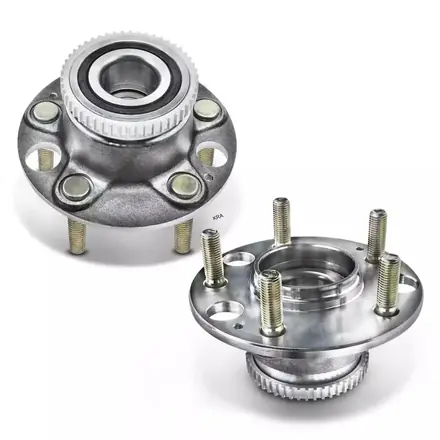
Wheel Hub Unit
The wheel hub unit connects the wheel to the suspension and carries the bearing that lets it turn. Modern units are…
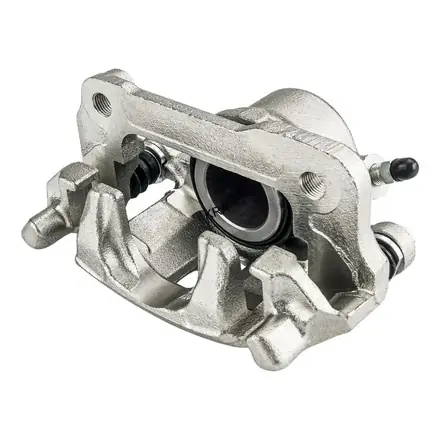
Brake Caliper
A brake caliper turns hydraulic pressure from the master cylinder into clamping force on the rotor. It carries the…
Knowledge
Guides That Cover This Part
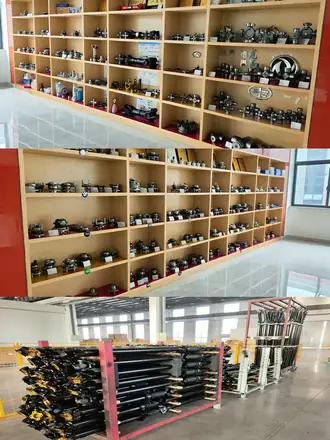
How Long a Car Lasts and Which Parts Decide It
Service life is set by a handful of systems rather than by odometer reading. A maintenance guide covering what actually wears out…
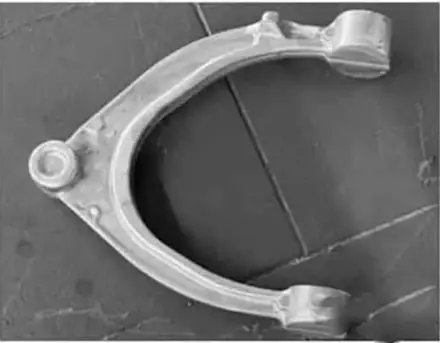
The Forging Process Behind an Aluminium Control Arm
Aluminium control arms are forged, not cast, and the process decides how much load the finished arm will take. A detailed walk…
Control Arm Maintenance and What Worn Bushings Cost You
Control arm bushings and ball joints wear slowly enough that the driver adapts to it. This guide covers the inspection routine,…
FAQ
Control Arm FAQ
Do you supply single arms or only kits?
Both. The minimum order is one piece, so you can buy a single arm or a complete kit for one corner.
How do I make sure I get the left arm and not the right?
Order against the OE number and state the side. Many platforms use different part numbers for left and right and the numbers are what separate them.
Are bushings and ball joints already fitted?
Arms are supplied assembled as shown. Kit content varies by reference, so confirm it in the quotation.
Which materials are available?
Steel and aluminium, matched to what the original application used. Composite where the original is composite.
What is the lead time on a suspension kit?
45 days for regular items. A newly developed reference takes 30 to 45 days.
Do I need an alignment after fitting?
Yes. Any arm replacement changes camber and toe, so the vehicle needs an alignment before it goes back to the customer.
Next step
Confirm the Fit Before You Order
Send the OE number and the vehicle. We return the interchange references and the applications that number covers, and quote against them.
+86 159 9582 0129
[email protected]
Monday to Friday 08:30-18:00 China Standard Time (GMT+8)