800mm Industrial 3D Printer for Letter Maker from Best Manufacturer in China
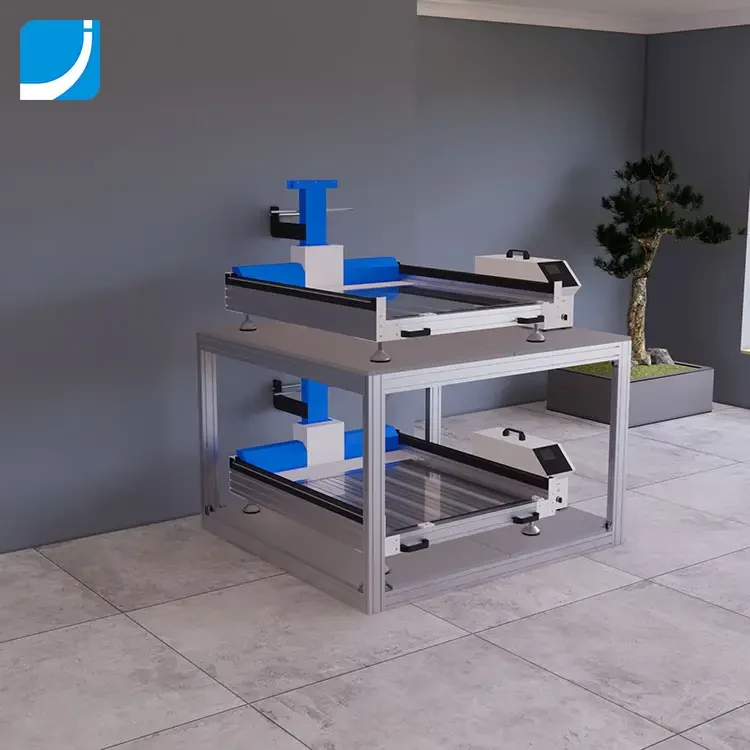
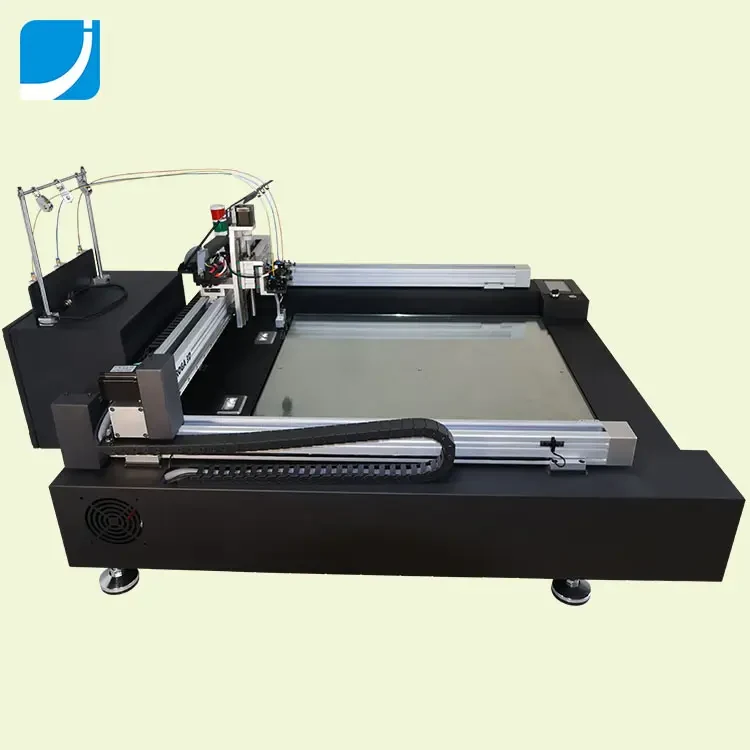
800 x 800 mm covers the letter sizes most storefront jobs actually need
View product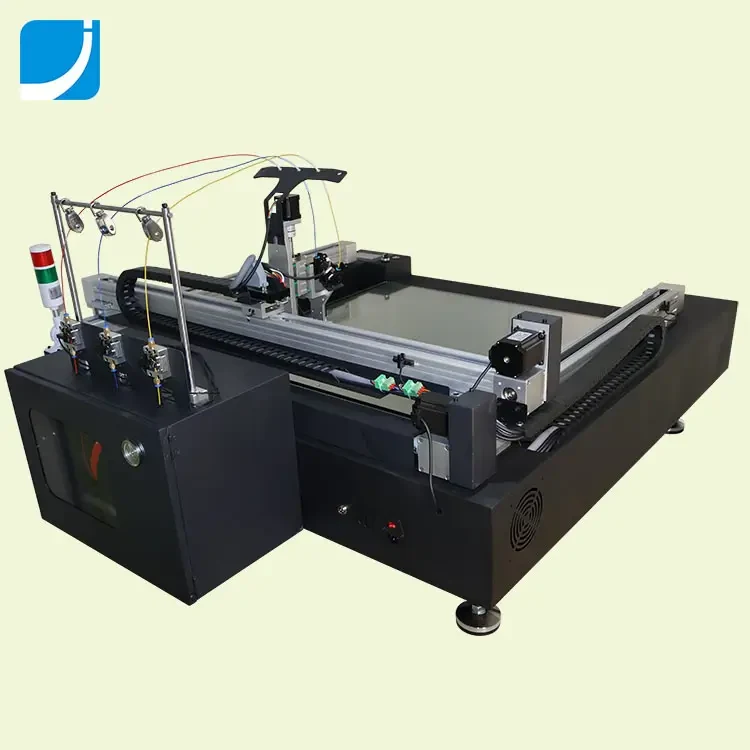
This is the business case, item by item, for a sign shop deciding whether to keep investing in a fabrication line or to move to additive production. Every comparison below is between the same product made two different ways.
A complete 3D sign needs a CNC router laser cutter engraving machine bending machine UV curing machine slotting machine and welding machine.
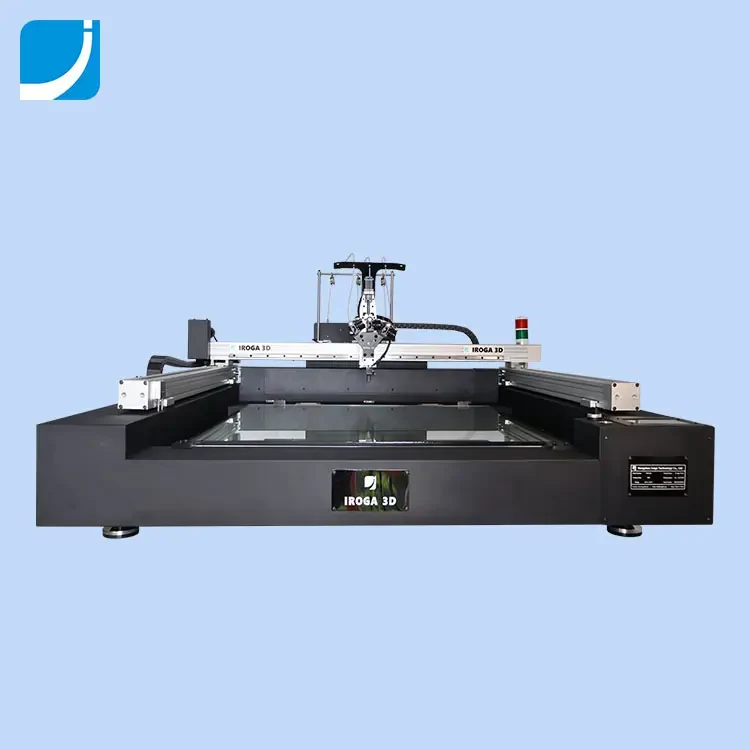
One sign printer prints the letter front side and back together, so the capital goes into one machine instead of seven.
Several large machines occupy floor area that is expensive in any major city, and the cost grows with the line.
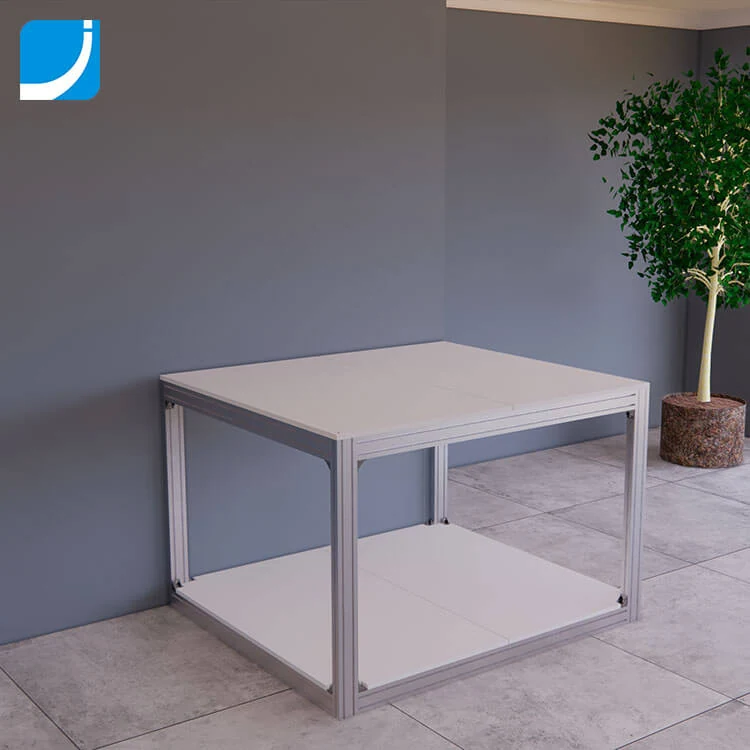
One printer occupies a small footprint, and a two layer shelf puts a second machine above the first instead of beside it.
Acrylic face panels with stainless steel or aluminium returns are expensive, and subtractive cutting wastes part of every sheet.
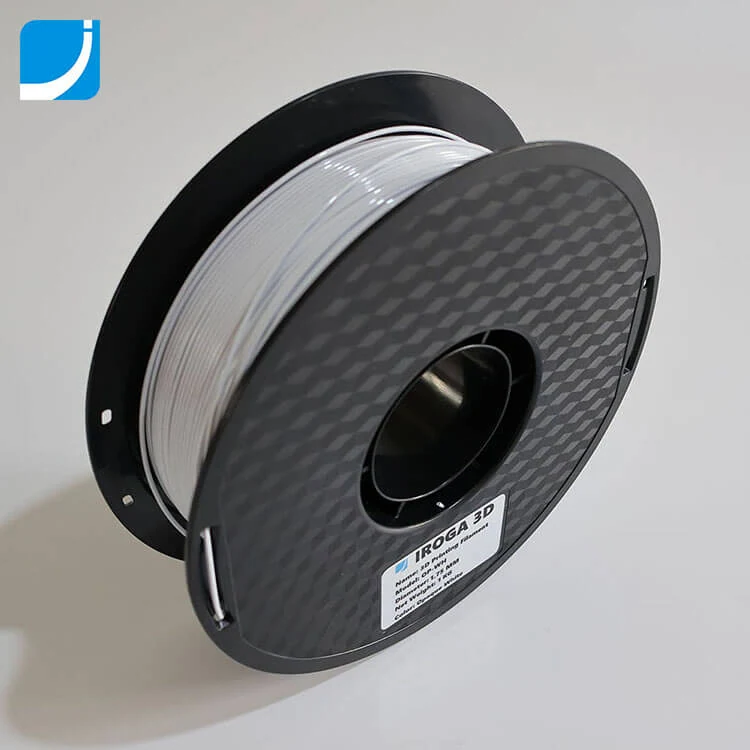
Filament is far cheaper per letter. A 272 x 300 x 30 mm letter A takes 37 meters, which is 111 grams. Additive printing adds material rather than removing it, so there is no offcut waste.
CAD design board cutting metal bending welding and engraving each need a person, and bending and welding need skilled ones.
Printing is automatic. On average one worker can manage around 10 sign printers.
A traditional line works while its operators do, which is about 8 hours a day.
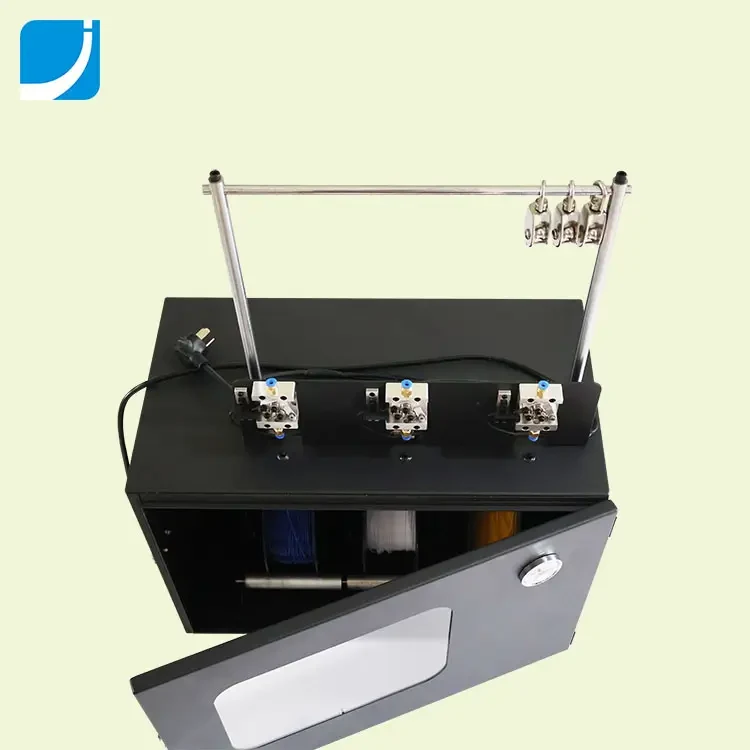
Printers run 24 hours a day if required, with filament shortage sensors pausing the job rather than failing it.
Fabrication gives a single face colour a flat face a single side colour and straight sides only.
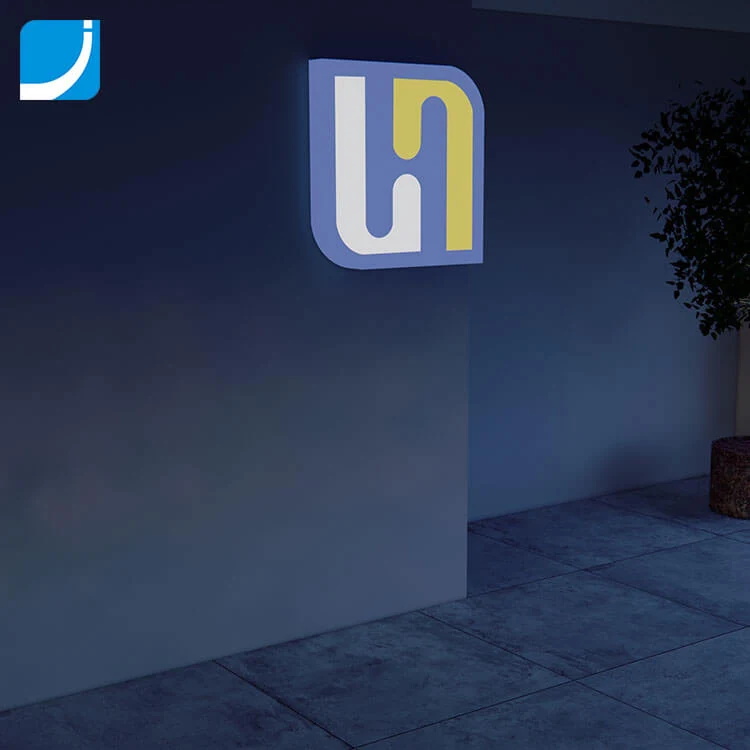
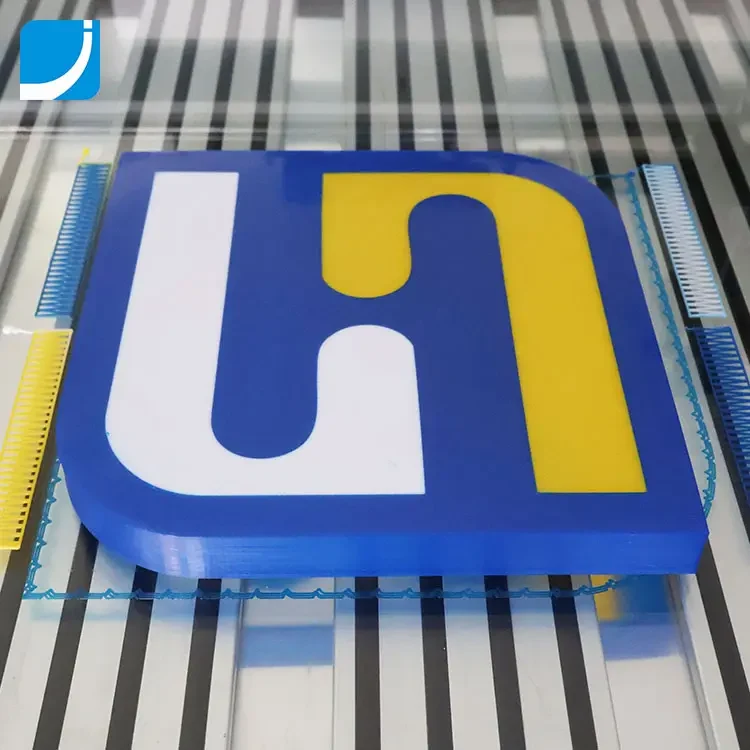
Printing gives multiple face colours, flat or mesh faces, multiple side colours, straight bevelled or curved sides, and frontlit sidelit or backlit constructions.
Cutting bending and welding make a workshop noisy and messy and need extraction and protection.
Printing is quiet and tidy, and the new generation machines were specifically made quieter than the previous ones.
Different materials in a fabricated sign age at different rates, and applied graphics usually fail first.
A printed sign is one material through its thickness, in PETG-S rated for 5 to 10 years outdoors.
800 x 800 mm covers the letter sizes most storefront jobs actually need
View productPrints illuminated channel letters up to 800 x 800 x 90 MM without any bending or welding step
View productTwo machines occupy the footprint of one which matters most where rent is charged by square meter
View productRated easy to print with no jamming which makes overnight running practical
View productSign shops carry the cost of a fabrication line whether or not it is busy. Additive production replaces that line with one machine...
Read moreAdvertising producers win on how quickly they can turn a concept into something a client can stand in front of. Printing removes t...
Read moreCustom acrylic signs are already an upgrade on flat 2D signage. Printed signs are the next step, and the difference shows up in se...
Read more3D printing changed what a channel letter costs to make, how many people it takes and how many hours a day a workshop can produce....
Read moreAnswers to what buyers ask before ordering Replace Traditional Sign Fabrication.
For a complete 3D sign the traditional route uses a CNC router laser cutter engraving machine bending machine UV curing machine slotting machine and welding machine. One printer produces the letter front side and back.
A 272 x 300 x 30 mm letter A needs 37 meters of filament, which is 111 grams, against acrylic panel plus a stainless steel or aluminium return.
Fewer people are needed on production. One worker can manage around 10 printers, which usually moves staff to design assembly and installation.
The design range widens rather than narrows. Multi colour faces, mesh faces and curved sides are not available from a bending machine.
With one machine sized to your current letter sizes, usually MITO-80 for work up to around 32 inch.
Send your current process and the problem you are trying to remove from it. We will map it against this route.