1200mm Large Format 3D Printer for Lightbox and Signage Company Best Factory in China
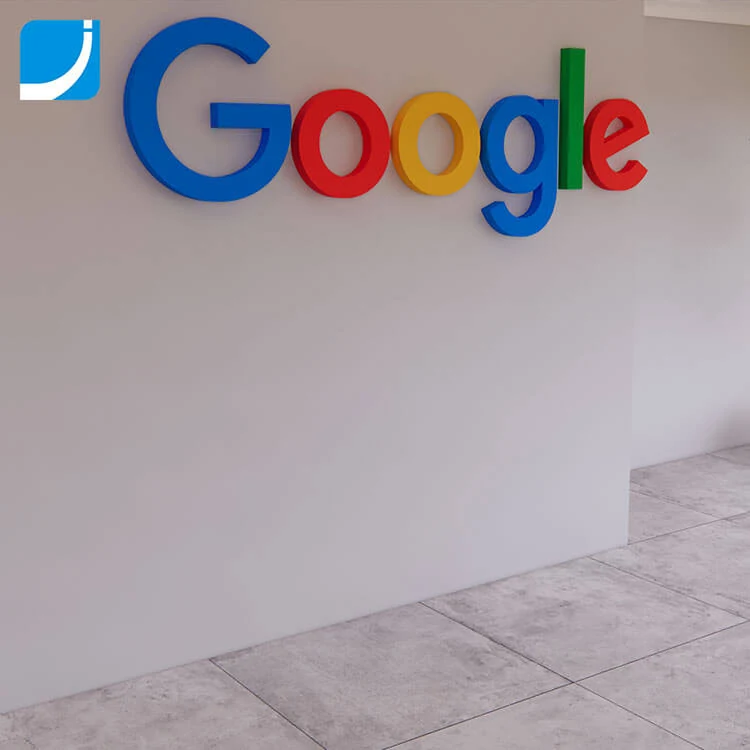
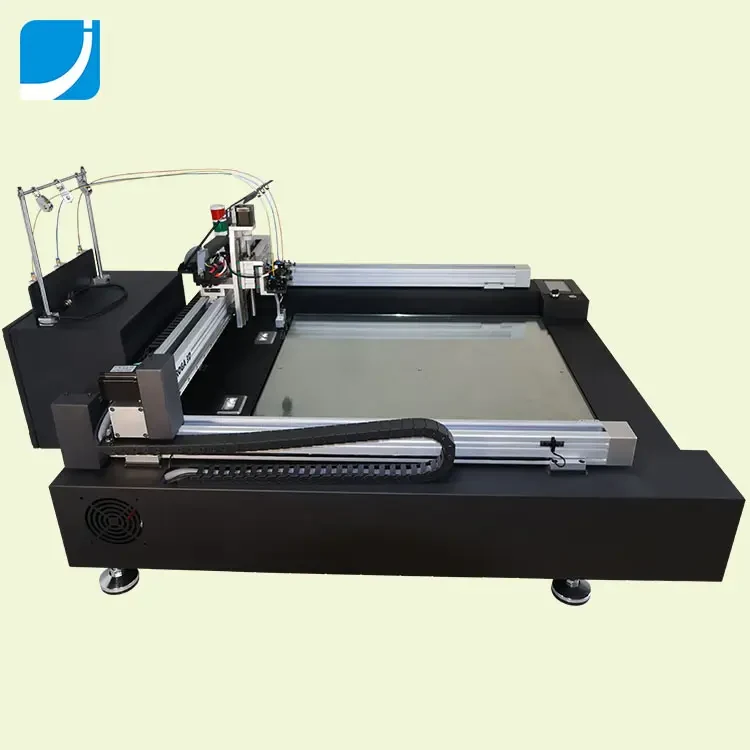
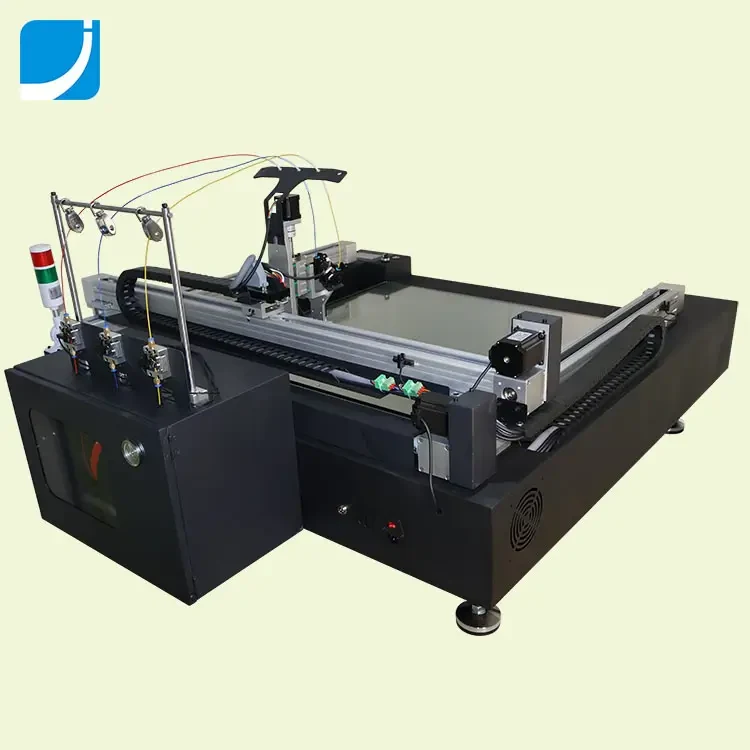
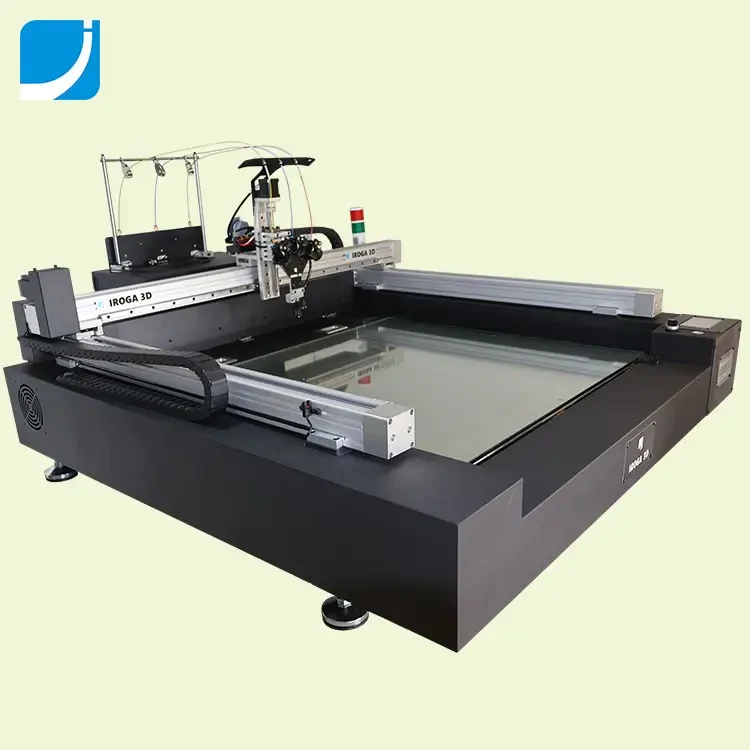
1200 x 1200 mm bed covers a 48 inch letter or logo without splitting the artwork
View product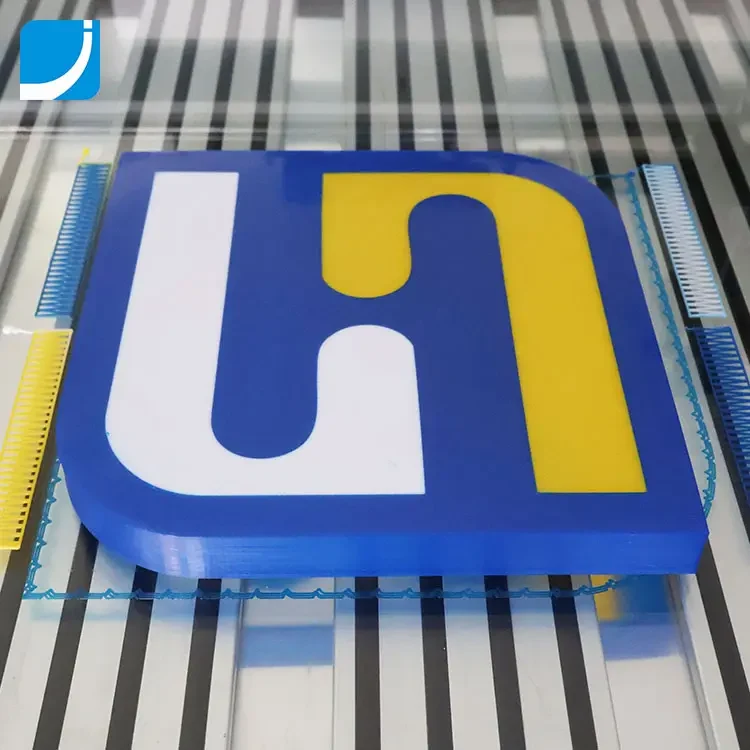
Custom acrylic signs are already an upgrade on flat 2D signage. Printed signs are the next step, and the difference shows up in seven places a sign shop can measure.
Making a complete 3D sign the traditional way calls on a CNC router, a laser cutting machine, an engraving machine, a bending machine, a UV curing machine, a slotting machine and a welding machine. Each is capital and each needs an operator. A 3D sign printer prints the letter front, the letter side and the letter back together, so the same product comes off one machine.
Several large machines occupy floor area, and in a major city floor area is one of the largest fixed costs a sign shop carries. One printer needs a small footprint. If throughput demands a second machine, a two layer printer shelf puts it above the first rather than beside it.
An acrylic panel is expensive, and the sign side is usually stainless steel or aluminium alloy, which is more expensive still. Filament costs far less per letter. A letter A at 272 x 300 x 30 mm including face and sides needs 37 meters of filament, which is 111 grams.
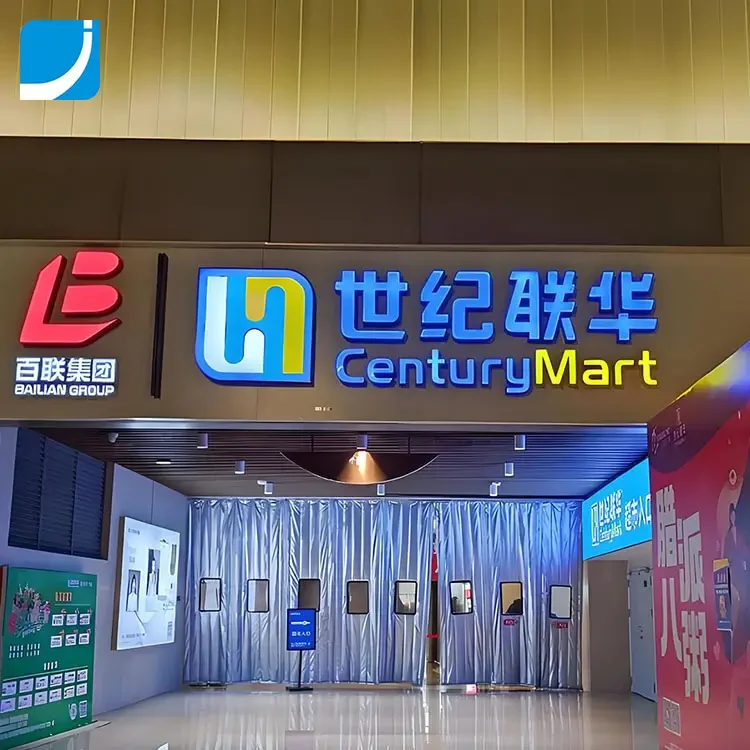
Traditional signage is subtractive manufacturing: material is cut away and the offcut is waste. Printing is additive, building the sign layer by layer, so there is no offcut to throw away.
The traditional route involves CAD design, board cutting, metal bending, welding and engraving, and bending and welding need skilled people. Printing is automatic, and on average one worker can manage around 10 sign printers.
A sign printer can print 24 hours a day if you require it. A traditional line works the hours its operators work, which is usually eight.
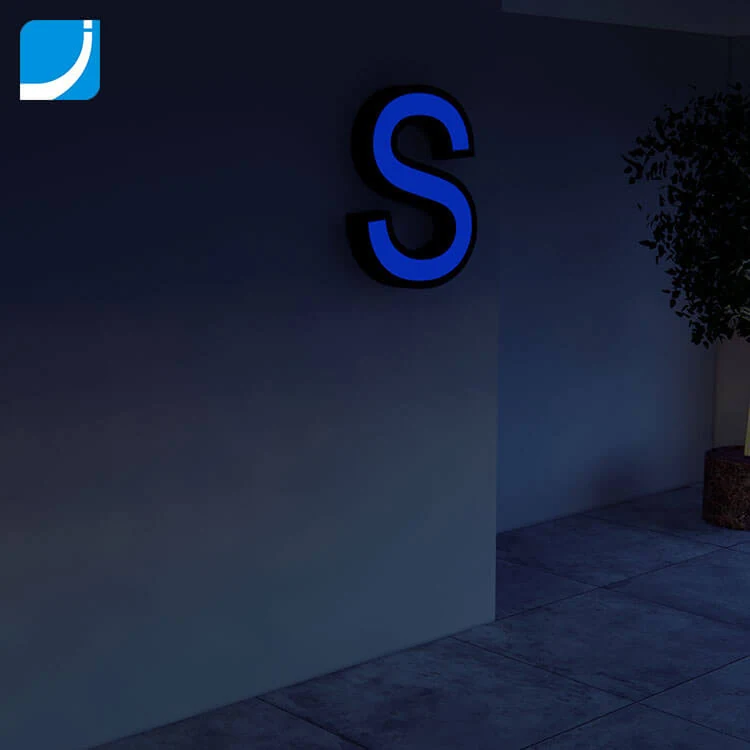
Traditional fabrication gives one face colour, a flat face, one side colour and straight sides. Printing gives multiple face colours, flat or mesh faces, multiple side colours, and straight bevelled or curved sides, with frontlit sidelit or backlit illumination.
1200 x 1200 mm bed covers a 48 inch letter or logo without splitting the artwork
View productMultiple colours in one letter across both the face and the return
View productTraditional fabrication allows one face colour and one side colour. Producing a set with different colours per letter me...
Read moreSign shops carry the cost of a fabrication line whether or not it is busy. Additive production replaces that line with o...
Read moreThis is the business case, item by item, for a sign shop deciding whether to keep investing in a fabrication line or to ...
Read moreAnswers to what buyers ask before ordering this topic.
PETG-S is UV resistant and waterproof, works from minus 40 to 70 degrees and is specified for 5 to 10 years of outdoor use.
For premium close viewed work the Pro machines cure a liquid acrylic face panel onto the printed side wall, which gives the glossy face an acrylic sign is chosen for.
Complex shapes cost the same to print as simple ones, which is not true of cutting bending and welding.
Our technical team will help you apply it to your own machines material and artwork.