800mm Industrial 3D Printer for Letter Maker from Best Manufacturer in China
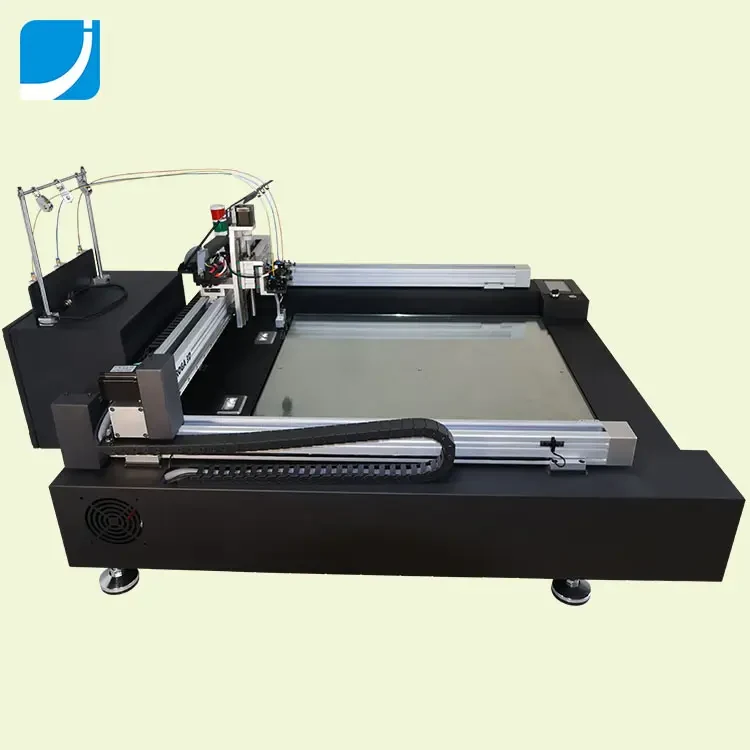
800 x 800 mm covers the letter sizes most storefront jobs actually need
View product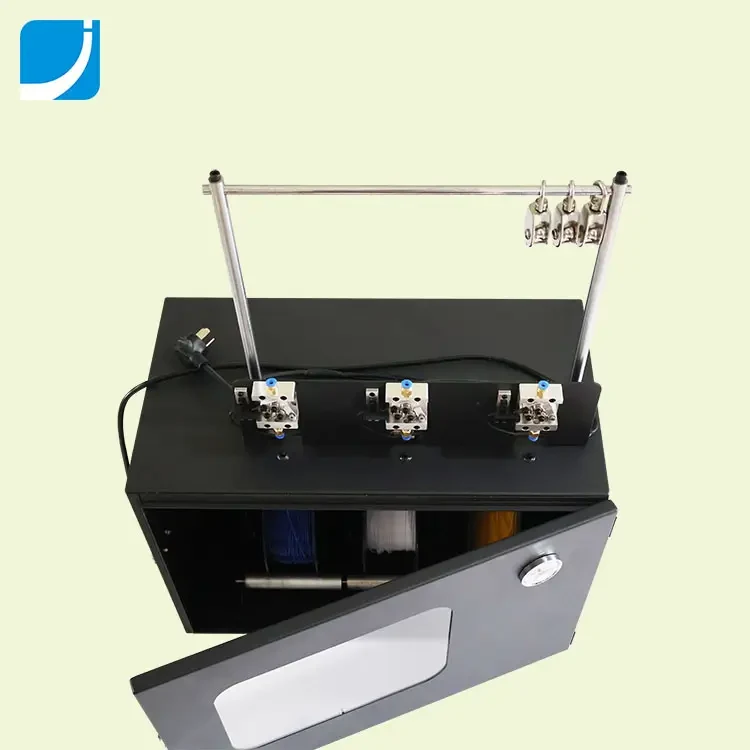
3D printing changed what a channel letter costs to make, how many people it takes and how many hours a day a workshop can produce. Here is what actually changes on the shop floor.
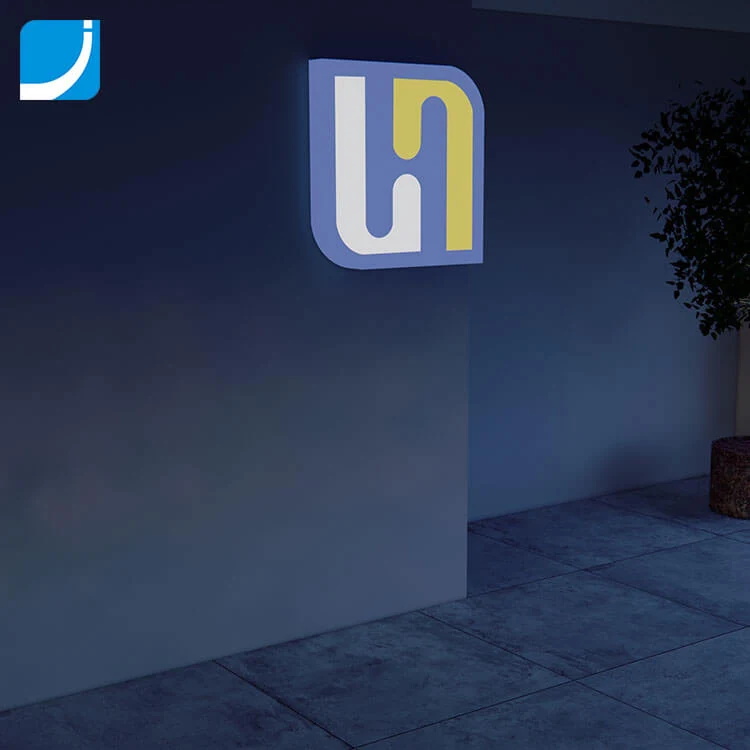
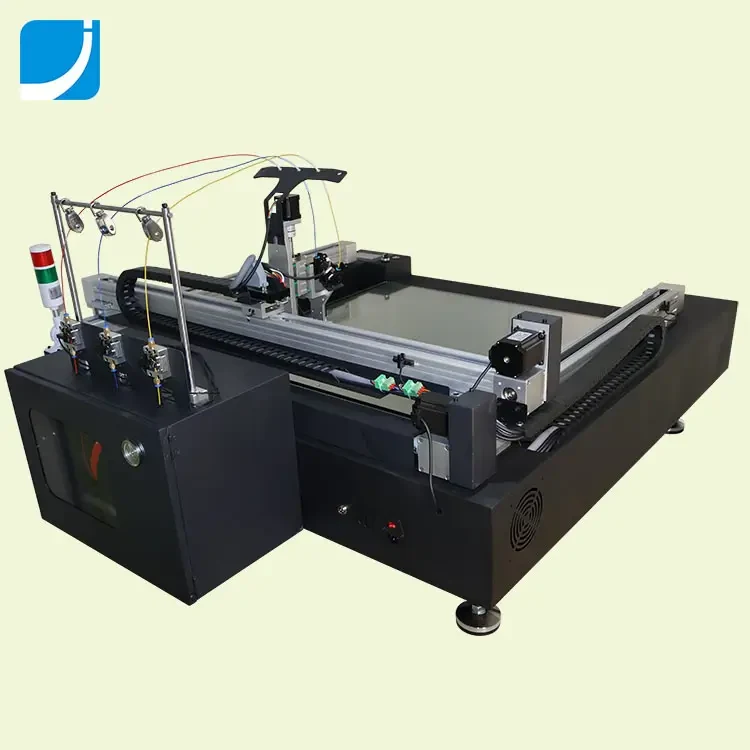
Printing produces channel letters company logos and indoor or outdoor signage one after another without manual operation. The operator sets the job and the machine runs it, which is why the same person can supervise several machines at once instead of standing at one.
The traditional signage route needs more people because it has more production steps: CAD designing, board cutting, metal bending, welding, engraving. Additive production needs fewer, and on average one worker can manage around 10 sign printers.
Printers can run 24 hours a day. Against an eight hour day in a traditional sign shop, that is a different amount of capacity from the same floor area and the same headcount.
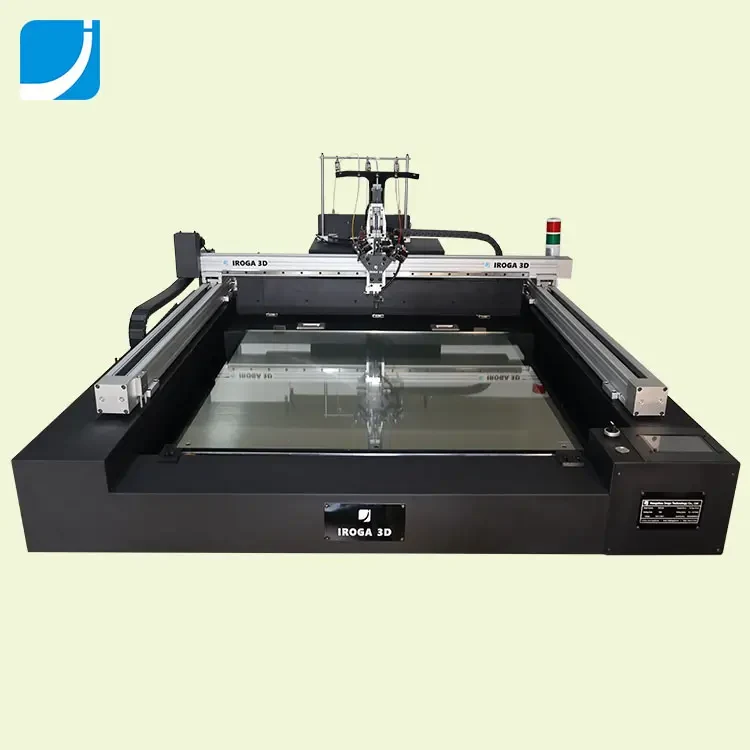
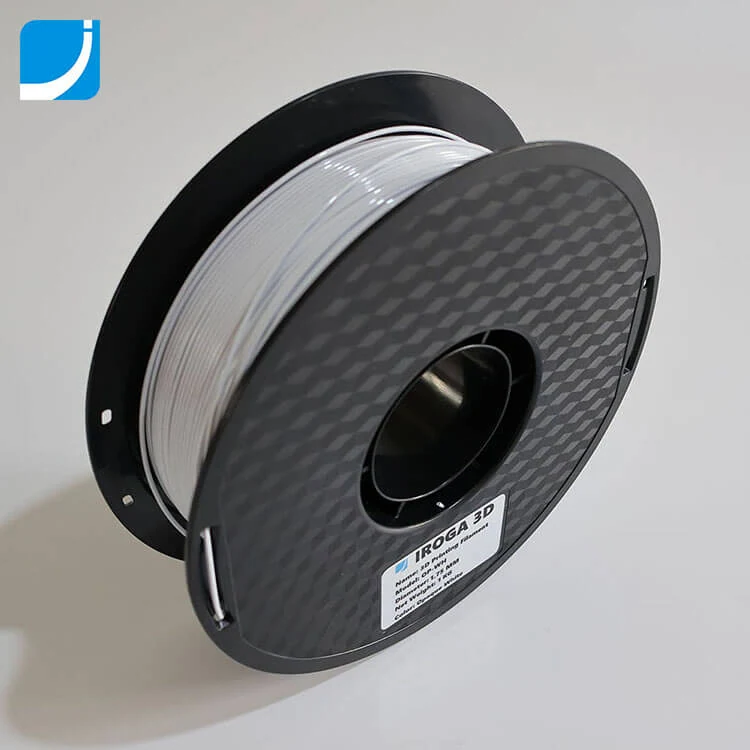
A letter A of 272 x 300 x 30 mm, including sides and face, uses 37 meters of filament, which equals 111 grams. That is the whole material content of the letter, against an acrylic panel plus a metal return.
Traditional signage cuts material away and throws the remainder out. Printing adds material layer by layer, so there is no cutting and no waste to dispose of.
Eliminating the limits of CNC engraving, injection moulding, laser cutting and metal bending removes the constraints those machines impose on artwork. Curves, thin strokes, mesh faces and multi colour output stop being exceptions that need a special quotation.
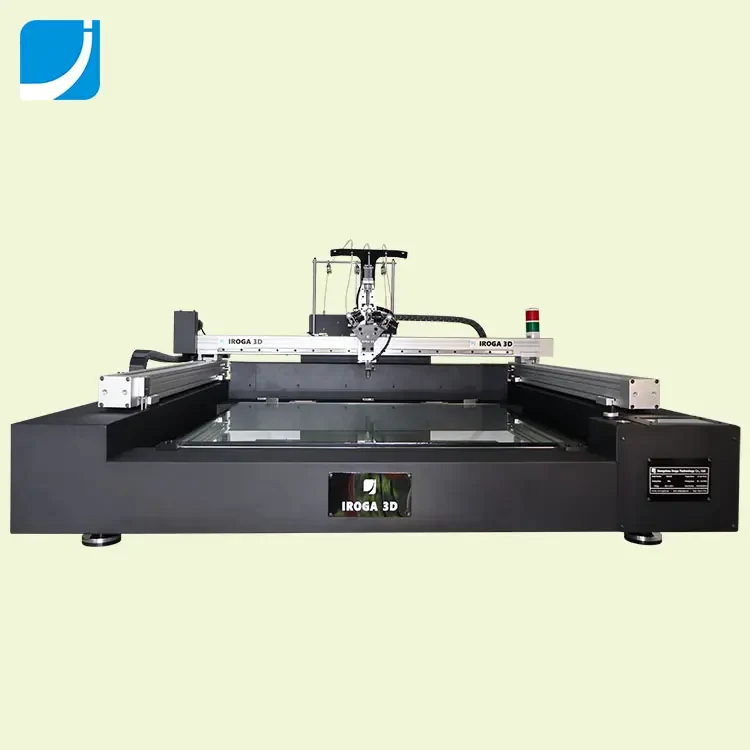
800 x 800 mm covers the letter sizes most storefront jobs actually need
View productRated easy to print with no jamming which makes overnight running practical
View productTraditional fabrication allows one face colour and one side colour. Producing a set with different colours per letter me...
Read moreSign shops carry the cost of a fabrication line whether or not it is busy. Additive production replaces that line with o...
Read moreAdvertising producers win on how quickly they can turn a concept into something a client can stand in front of. Printing...
Read moreThis is the business case, item by item, for a sign shop deciding whether to keep investing in a fabrication line or to ...
Read moreAnswers to what buyers ask before ordering this topic.
On average around 10, because the printing itself runs without manual intervention.
A 272 x 300 x 30 mm letter A needs 37 meters of filament, which is 111 grams.
Yes. Filament shortage sensors pause the job if a spool runs out rather than letting the nozzle run dry.
Our technical team will help you apply it to your own machines material and artwork.