3D Printing Consumables for 3D Signage Printers and 3D Model Printers
Runs on 3D signage printers and 3D model printers so one material covers both machines
View product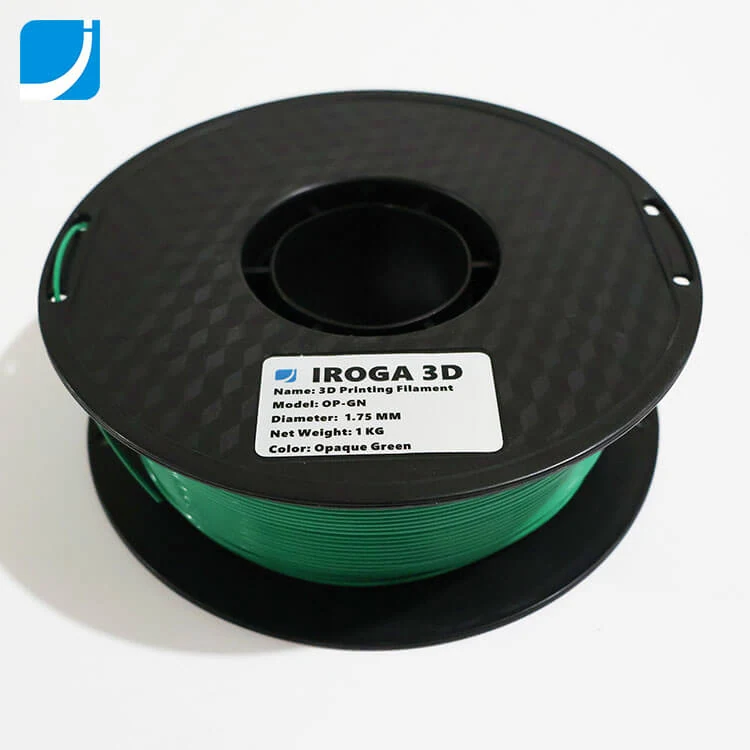
Knowing how filament is made explains why some rolls print cleanly and some do not, and why a signage grade material is specified differently from a general purpose one.
PLA is biodegradable and easy to print but is neither high temperature resistant nor UV resistant. ABS is stronger and more heat resistant than PLA but harder to print because it warps, and it is not UV resistant either. Neither is suitable for outdoor use. PETG combines the ease of PLA with the durability of ABS and is high and low temperature resistant, UV resistant and waterproof.
PETG-S is PETG developed for signage. It keeps every advantage of PETG and adds the light diffusing effect an illuminated sign needs, allowing light through the signage surface with the light evenly diffused rather than showing the LEDs behind it.
Raw material is mixed with additives such as stabilizers, colorants, reinforcing agents and light diffusing agents in a twin screw extruder to make the mix homogeneous. The result is pelletized for handling in the next step, with the pellet colour matching the filament colour.
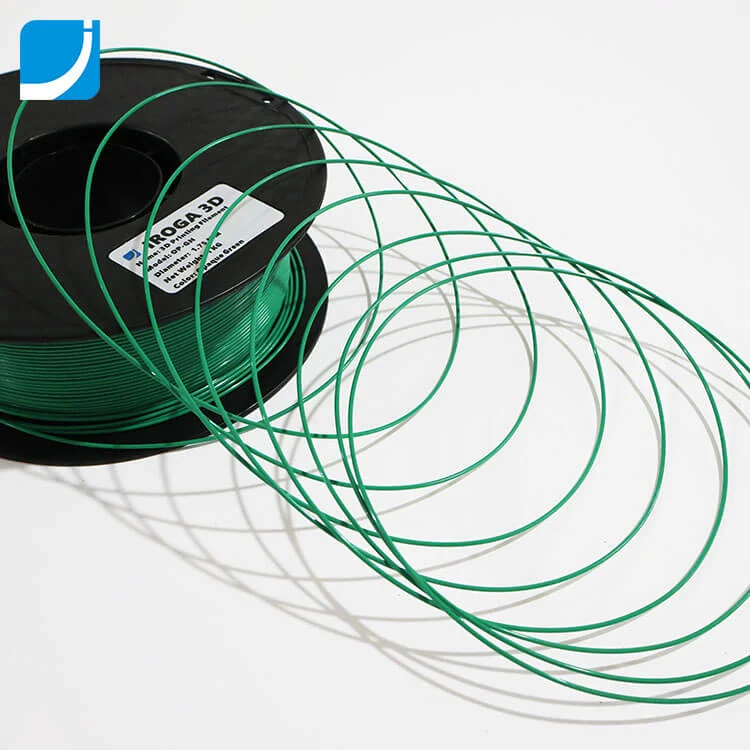
The pellets go into a single screw extruder, are melted and forced through a die to form filament. Temperature control varies by material, roughly 160 to 220 degrees for PLA and 230 to 260 degrees for ABS and PETG. A precision die holds a consistent diameter, typically 1.75 mm or 2.85 mm, with sensors feeding back to the process.
Diameter variation is the root of most under extrusion and jamming. This is why a filament rated easy to print with no jamming is a manufacturing claim about the extrusion line, not a marketing adjective.
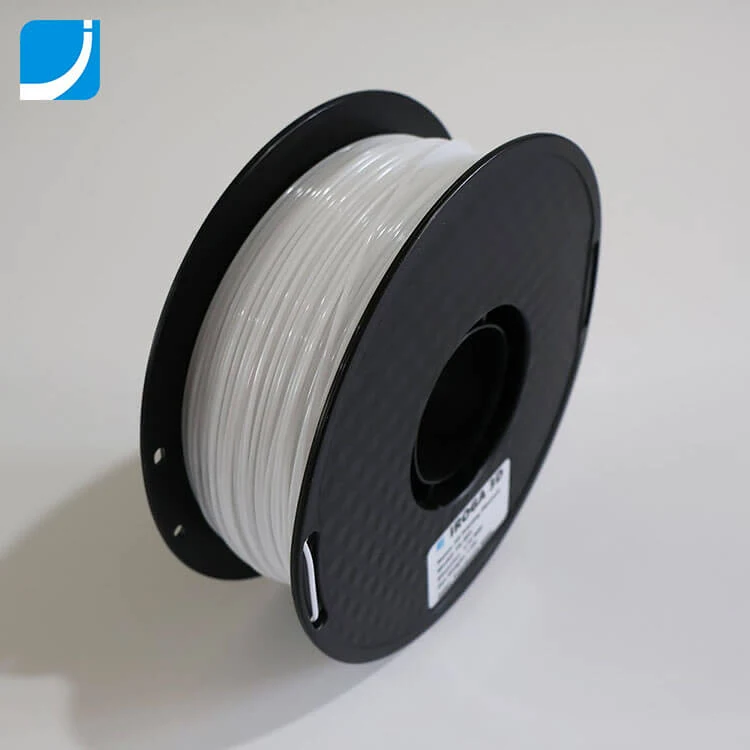
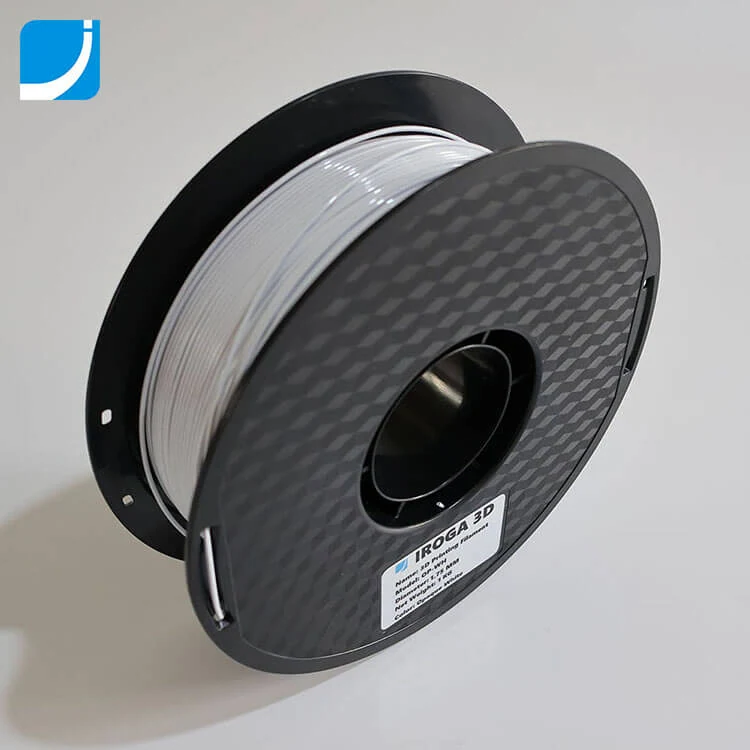
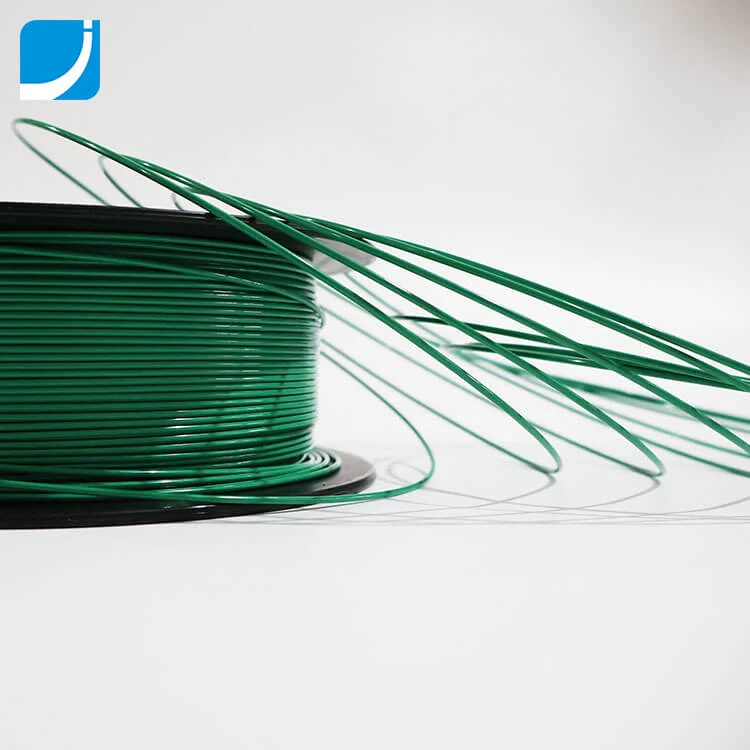
The filament is wound onto spools, checked, then packed. Iroga rolls hold 340 meters at 1.0 kg net, are vacuum bagged individually and packed 12 rolls per export carton at 440 x 440 x 220 mm.
Runs on 3D signage printers and 3D model printers so one material covers both machines
View productEven diffusion across the face with no visible LED hotspots
View productRated easy to print with no jamming which makes overnight running practical
View productA corporate mark has to be reproduced exactly, and splitting it across fabricated sections is where that goes wrong. A 1...
Read moreMost outdoor sign failures trace back to a material decision made at quotation stage. This is the specification route we...
Read moreAnswers to what buyers ask before ordering this topic.
PLA is neither high temperature resistant nor UV resistant, so an outdoor sign printed in it fades and weakens.
PETG-S is developed from PETG for signage, keeping its properties and adding the light diffusing effect an illuminated face needs.
To keep moisture out. Damp filament causes extrusion defects, which is also why a filament dryer is supplied with the new generation machines.
Our technical team will help you apply it to your own machines material and artwork.