
How To Select A Suspension Insulator Strength Class
Mechanical failing load is the number in the class name. Tension proof load is the number you should be sizing against.
Two Numbers That Are Often Confused
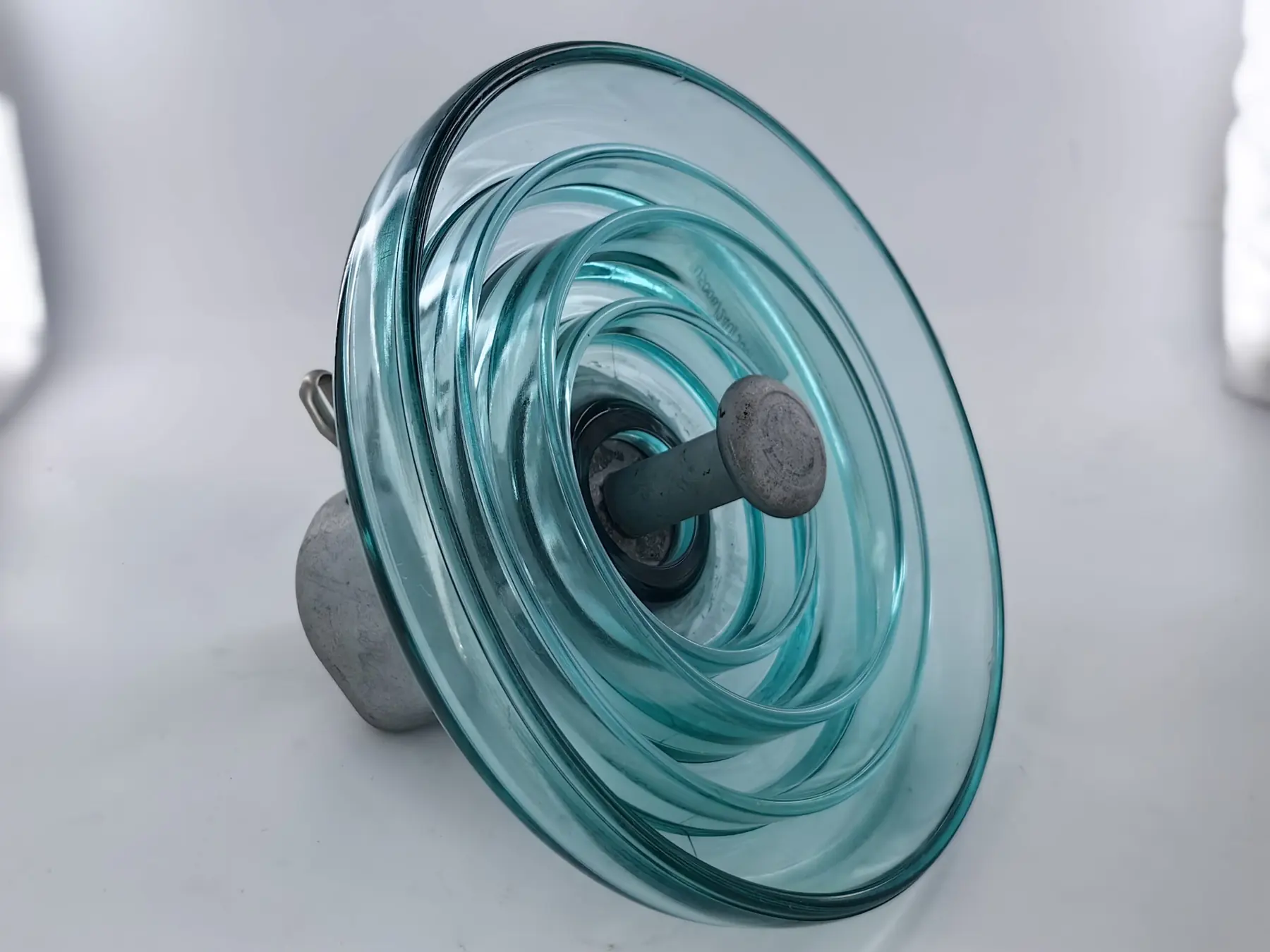
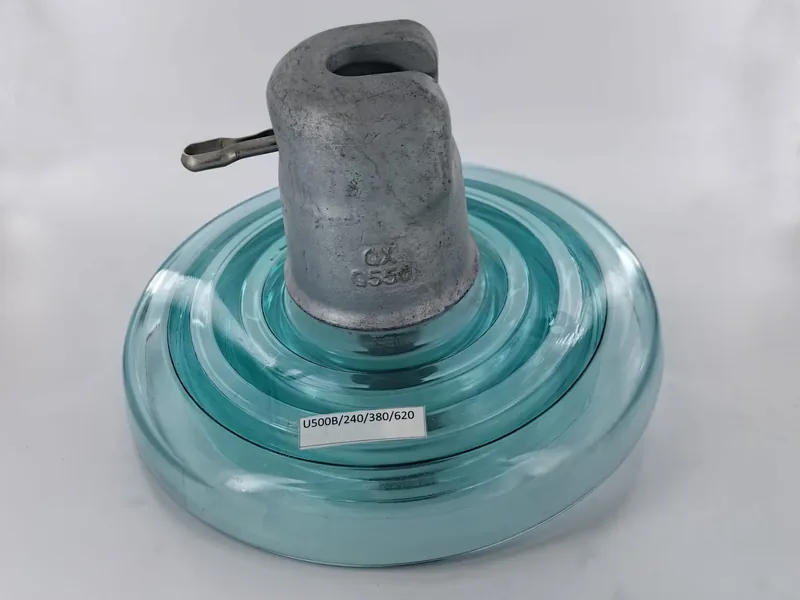
Every cap and pin class publishes a mechanical failing load and a tension proof load. The failing load is where the unit breaks in a type test. The proof load is the tension every single unit is loaded to in production as a routine test. A U120B has a 120 kN failing load and a 60 kN proof load. A U500B has 550 kN and 275 kN. The class name carries the first number, which is why the second one gets overlooked.
Start From The Load Case Not The Voltage
System voltage determines how many units are in the string. It says nothing about how strong each one has to be. That comes from conductor weight, span length, wind and ice loading, and the angle at the tower. A 400 kV tangent tower can sit on a lighter class than a 132 kV dead end at a sharp angle.
Work Through The Classes In Order
The Huasheng tables run 40, 70, 100, 120, 160, 210, 240, 330, 420 and 550 kN failing load, with proof loads of 20, 35, 50, 60, 80, 105, 120, 150, 210 and 275 kN. Find the design tension for the set, apply the factor your design code requires, and take the first class whose published proof load clears it.
Check The Coupling Before You Commit
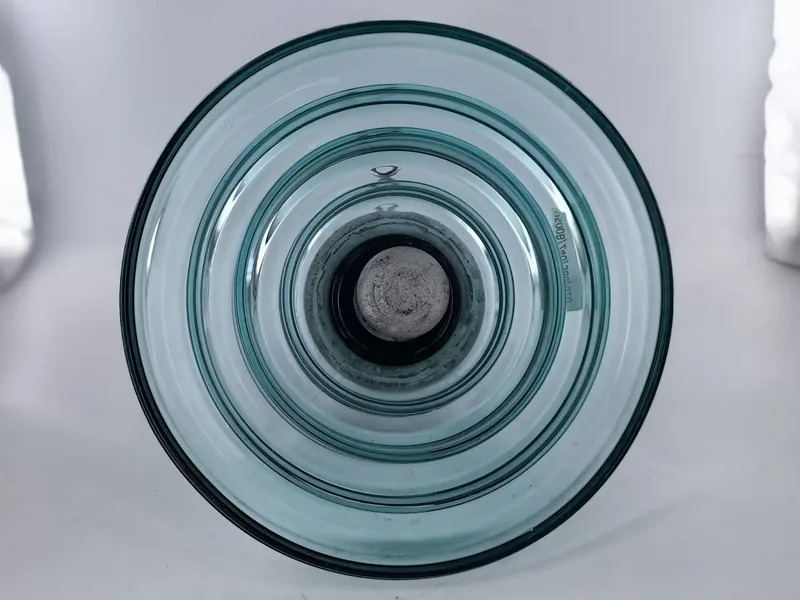
Coupling size is not a free choice. It follows the class in the published table, from 11 mm on a U40B through 16 mm across the common suspension classes, 20 mm at U160B and U210B, 20 or 24 mm at U240B, 24 mm at U300B, 28 mm at U420B and 32 mm at U500B. If you are replacing units on an existing string, the coupling on the tower may narrow your class options.
Then Check Geometry
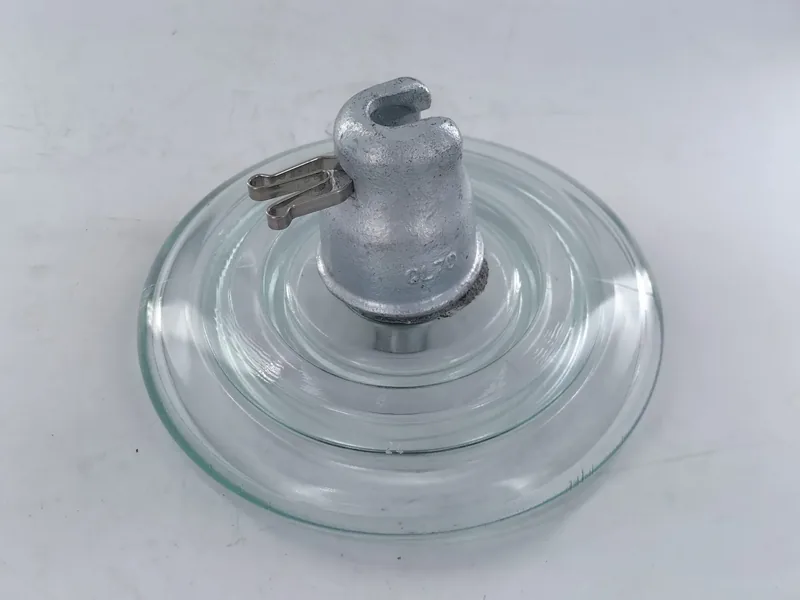
Spacing sets string length for a given unit count, and it changes with the family. The lighter standard classes run 110 mm to 146 mm, the heavy classes 170 mm to 240 mm. Shed diameter runs 175 mm to 380 mm on standard profiles and up to 420 mm on aerodynamic ones. Both figures need checking against tower clearance before the class is fixed.
Last Check Creepage
Only now does pollution enter. Take the specific creepage your standard requires in mm per kV, multiply by system voltage, and divide by the leakage distance of the unit you have selected. If the resulting unit count is uncomfortable, that is the signal to move from a standard profile to a fog profile rather than to add units.
Questions On This Topic
Can I use tension proof load as a working load?
No. Proof load is a routine production test value, not a service rating. Working tension should sit well below it by whatever margin your design code sets.
Why does the U240B list two coupling sizes?
The published table gives 20 or 24 mm for that class. State which one your hardware uses when you order.
How many units go in a string?
That comes out of the creepage calculation and the switching and lightning impulse requirements for your system voltage, both of which are set by your own design standard rather than by the insulator supplier.
Related Industry Pages
Apply This To Your Own Line
Send the designation, the load case and the pollution assessment. We will confirm which class fits and which of our tables it sits in.