
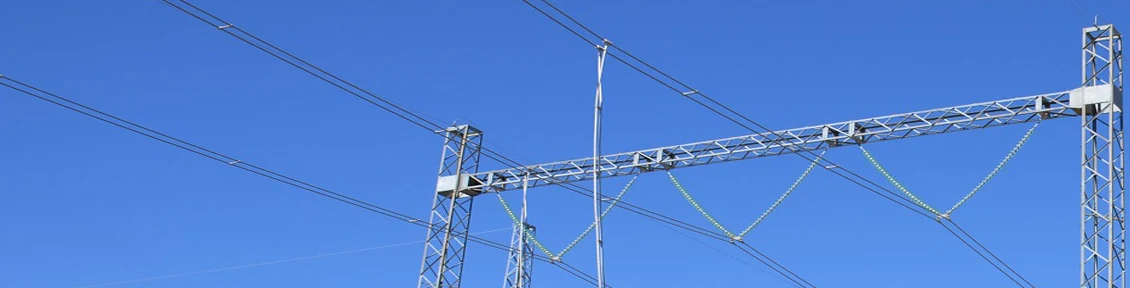
Technical Guides for Engineers Specifying Insulators
Standards, class designations, creepage, flashover ratings and handling, worked through with the real published figures from the classes we manufacture.
All Guides
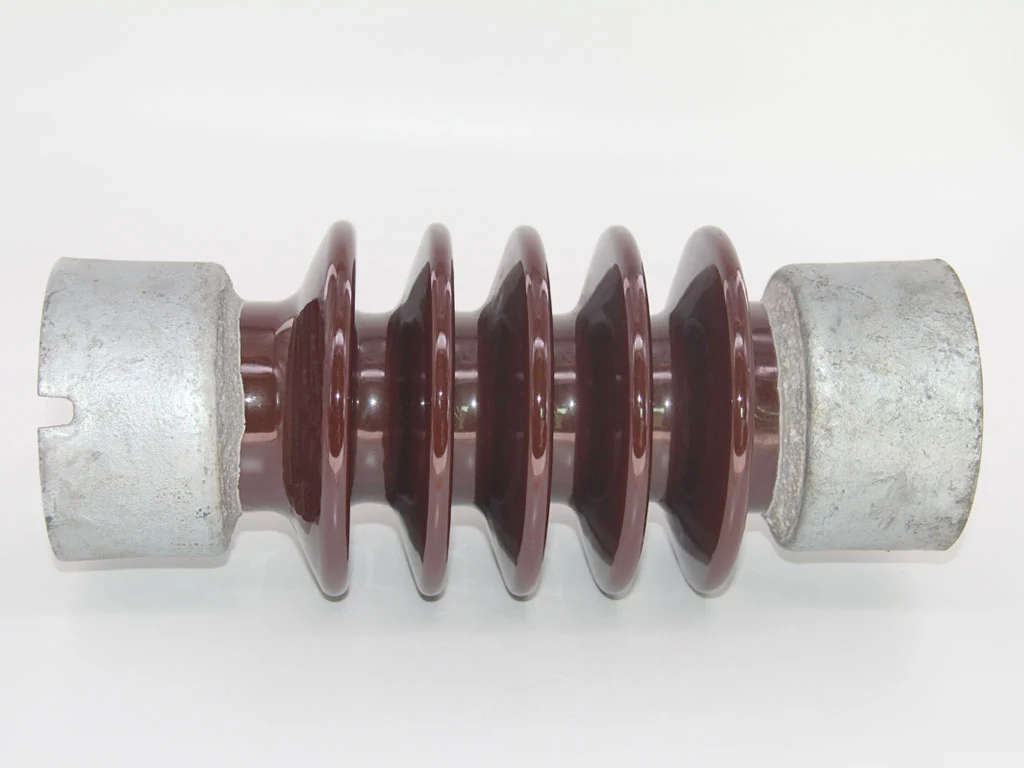
ANSI and IEC Porcelain Insulator Standards Compared
How ANSI classes like 52-4 and 57-2 and IEC designations like C4-125 describe a porcelain insulator, and what to check on a data sheet before you comp
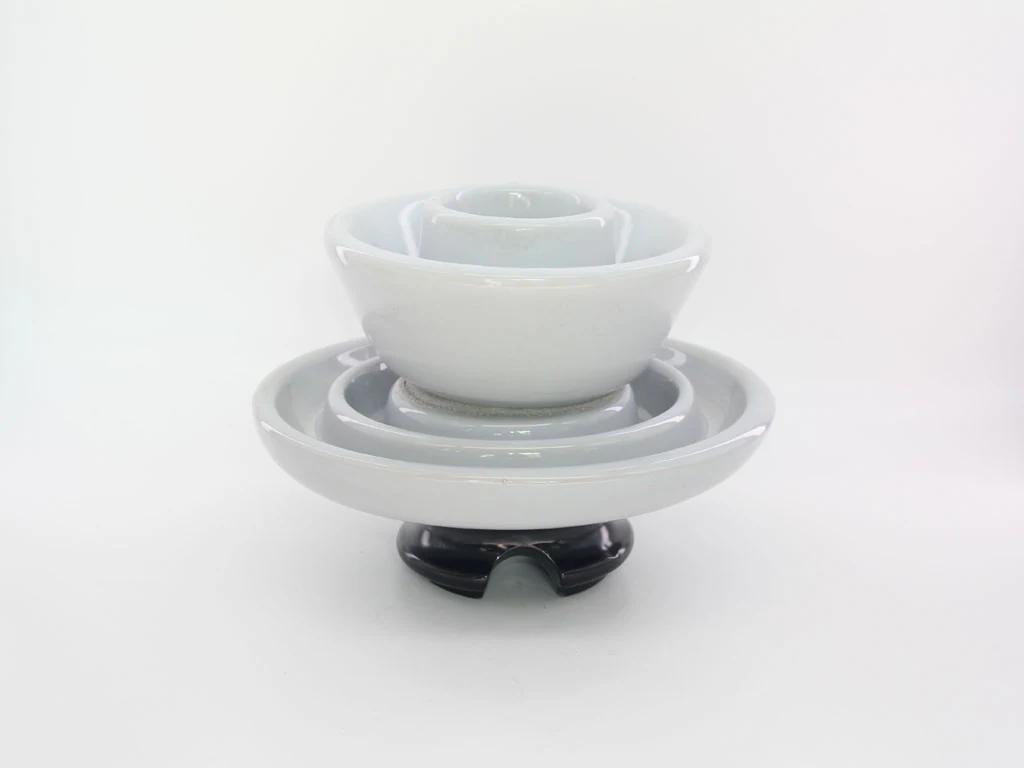
How to Read ANSI Insulator Class Numbers
Learn how ANSI class numbers like 52-4, 56-3 and 57-2 identify porcelain insulators, and how they differ from IEC designations such as C4-125. Include
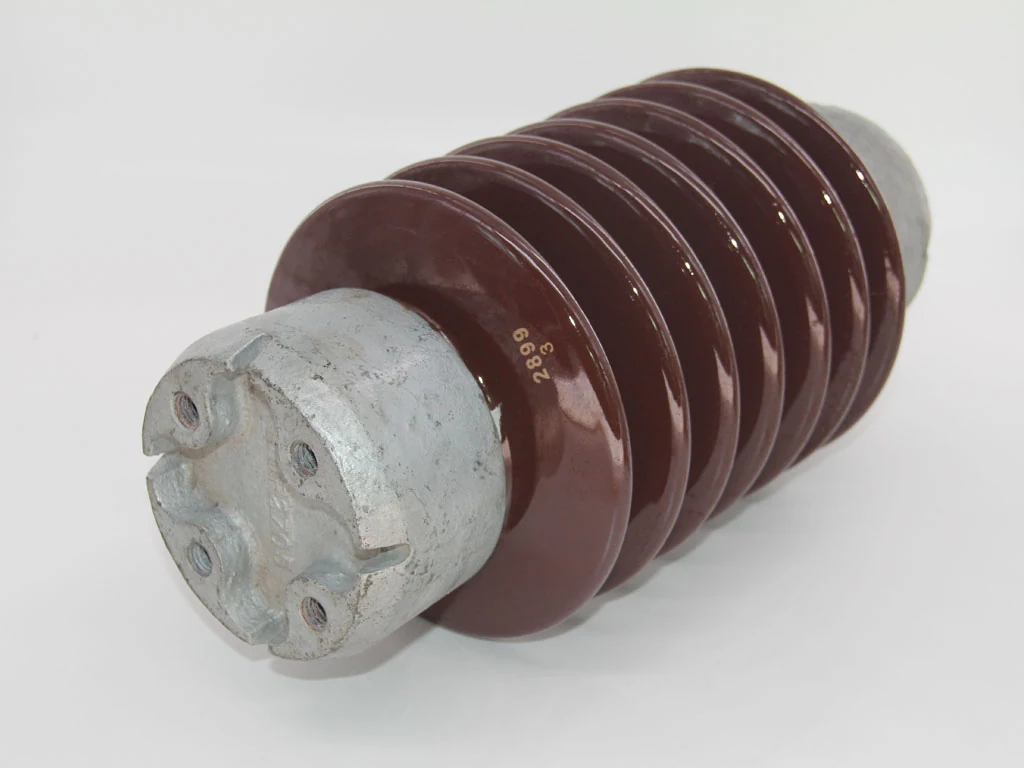
Creepage Distance and Pollution Performance
Creepage distance values for IEC C4-125 (500mm), ANSI TR-208 (610mm), ANSI 57-2 (559mm), and ANSI 56-3 (533mm) insulators. How to compare pollution pe
Flashover Voltage Explained Dry Wet and Impulse
Understanding dry flashover, wet flashover, impulse flashover, puncture voltage, and impulse withstand voltage in porcelain insulators. All values fro
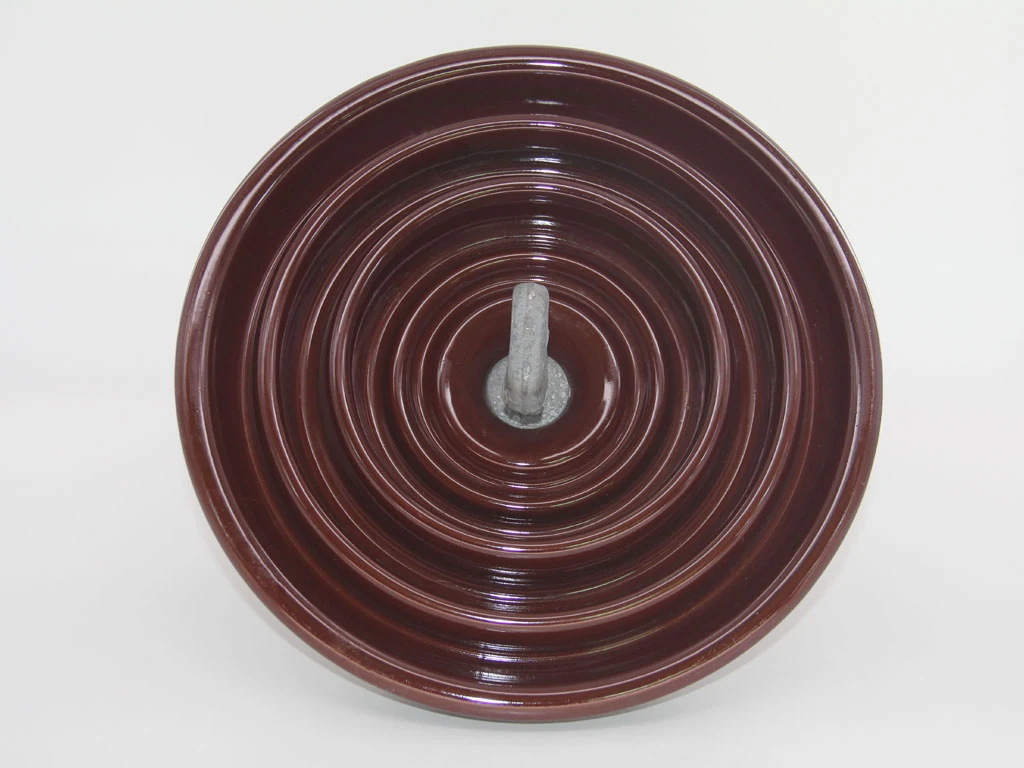
Porcelain vs Polymer Insulators for Overhead Lines
Comparison of porcelain and polymer insulators for overhead lines, covering weight, UV resistance, puncture, inspectability, vandalism, mechanical rat
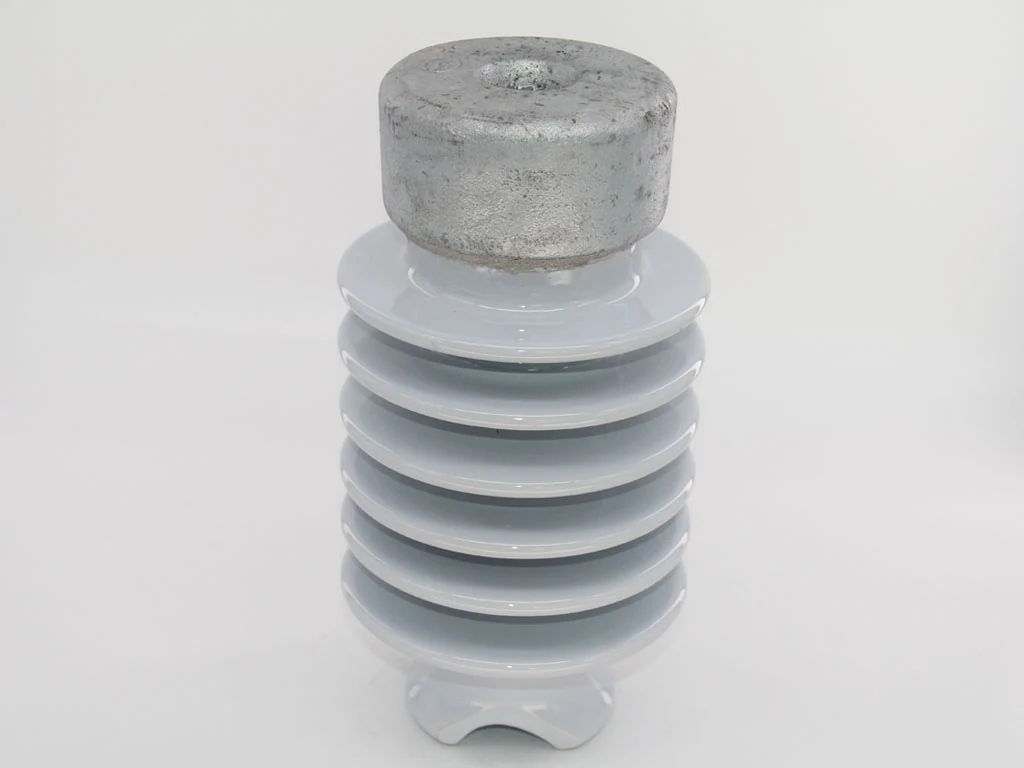
Choosing Between Pin Post and Suspension Insulators
How to select between pin type, line post, station post, suspension disc, strain or spool insulators based on mounting, mechanical loading and system
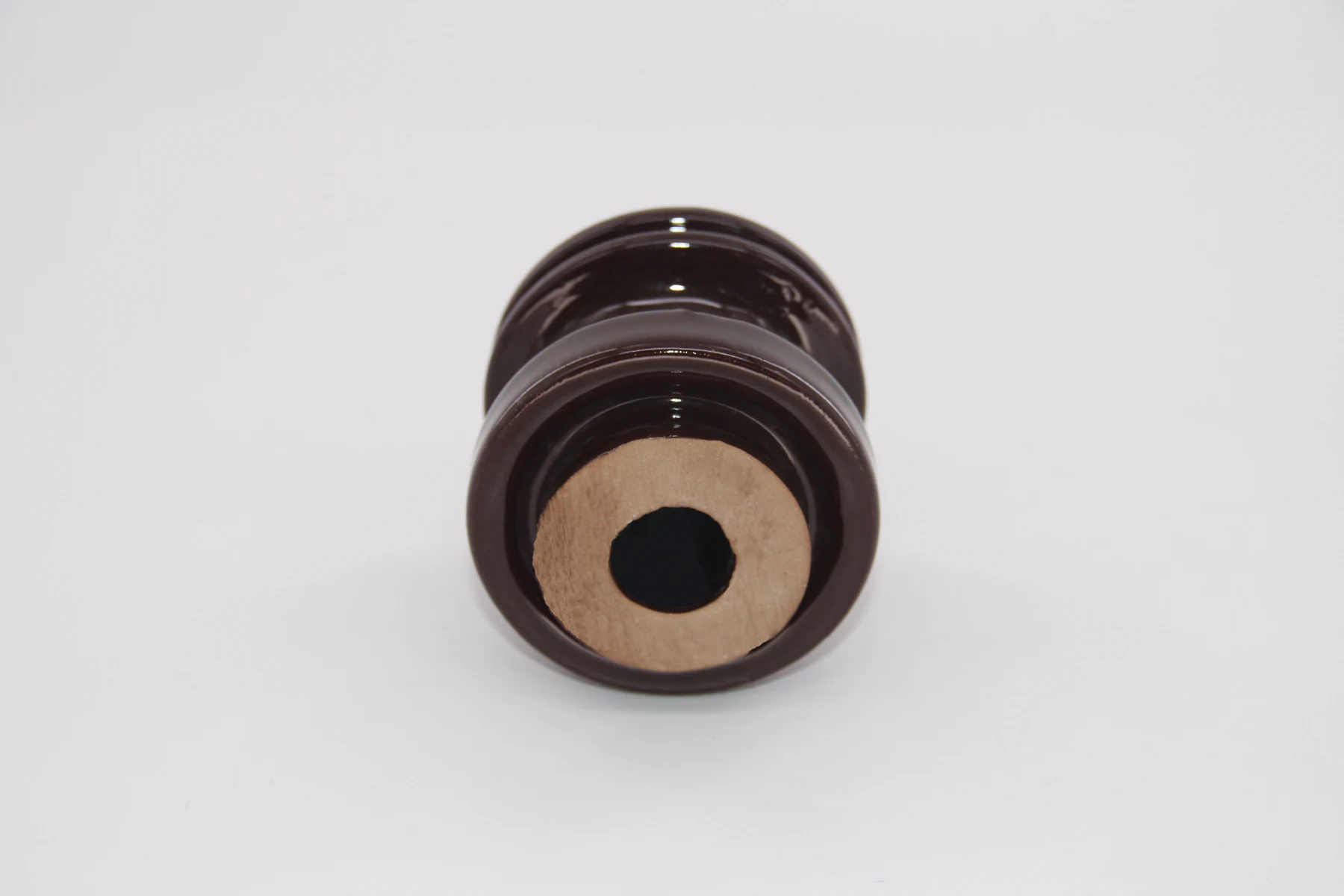
Handling Storage and Installation of Porcelain Insulators
Guidance for line crews and warehouse staff on receiving, storing, lifting, and inspecting porcelain insulators. Covers glaze protection, cement joint

Radio Influence Voltage and Why It Matters
RIV is measured in microvolts at 1000 kHz under a test voltage RMS to ground. Learn how it affects transmission line performance and what values apply
A Question These Guides Do Not Answer
Email it. If it is a good question we will add it to a guide so the next buyer finds it.