
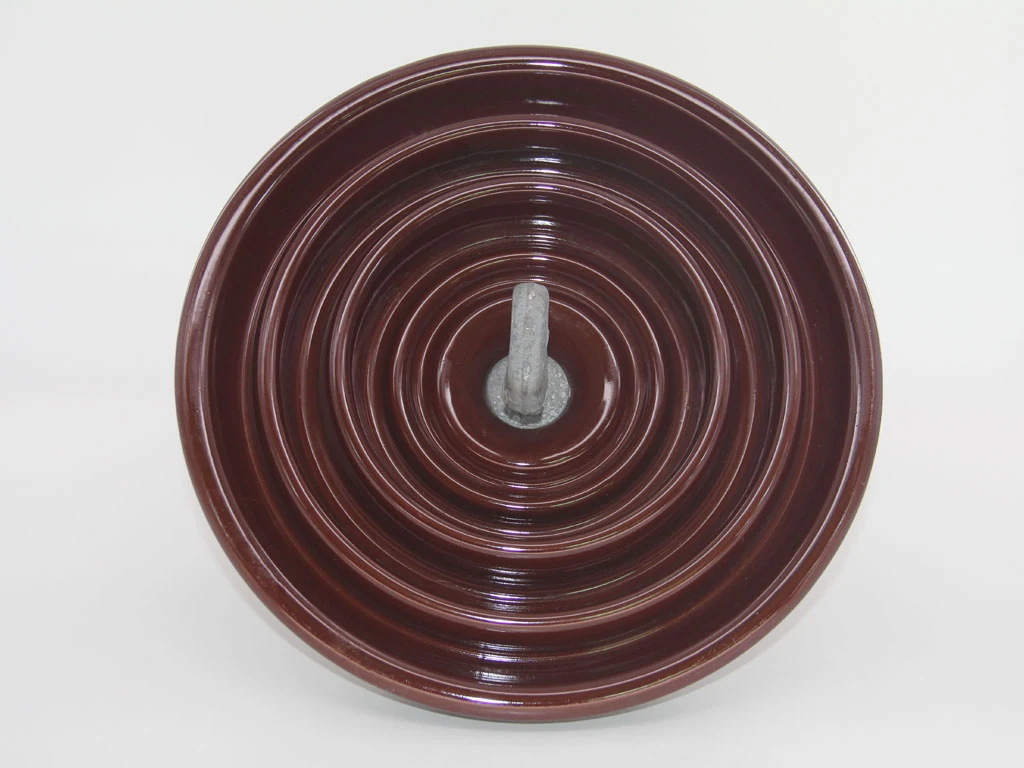
Weight and Structural Load Differences
Porcelain insulators are heavier than polymer equivalents. A station post insulator with a 4kN cantilever rating weighs more than a polymer unit with the same rating. This affects tower design, foundation load and handling during installation. The higher mass of porcelain increases the mechanical stress on the supporting structure over time.
Ageing and Long Term Performance
Glazed porcelain insulators do not degrade under UV exposure or environmental stress like polymer composites. The glaze remains intact over decades. Polymer insulators can suffer from hydrophobicity loss, cracking and tracking over time, especially in high pollution or high temperature zones.
UV Resistance and Surface Integrity
Porcelain has inherent UV resistance due to its ceramic surface. The glaze does not break down under sunlight. Polymer insulators rely on additives to resist UV, and these degrade over time, leading to surface erosion and reduced performance in exposed environments.
Puncture and Mechanical Failure Modes
Porcelain insulators can fail by puncture under extreme electrical stress, but this is rare in service. The material is brittle and can crack under impact. Polymer insulators are more resistant to puncture and impact but can suffer from internal damage that is not visible on the surface.
Inspectability and Maintenance
Porcelain insulators allow visual inspection of surface condition, glaze integrity and cracks. Any damage is visible without special tools. Polymer insulators may hide internal defects or surface erosion, requiring non-destructive testing to detect degradation.
Vandalism and Physical Damage
Porcelain insulators are more vulnerable to vandalism or accidental impact. A direct blow can cause visible cracks or shattering. Polymer insulators absorb impact better and are less likely to fail from physical abuse, though they may show surface damage.
End of Life and Disposal
Porcelain insulators are inert and can be crushed and reused as aggregate in construction. They do not release harmful substances. Polymer insulators are not easily recyclable and may require special disposal methods, contributing to long-term waste.
When Polymer May Be the Better Choice
Polymer insulators are preferred in high pollution areas, where weight savings reduce tower load, and in regions with frequent vandalism. They also offer better performance in areas with high humidity and frequent flashover events due to their hydrophobic properties.