
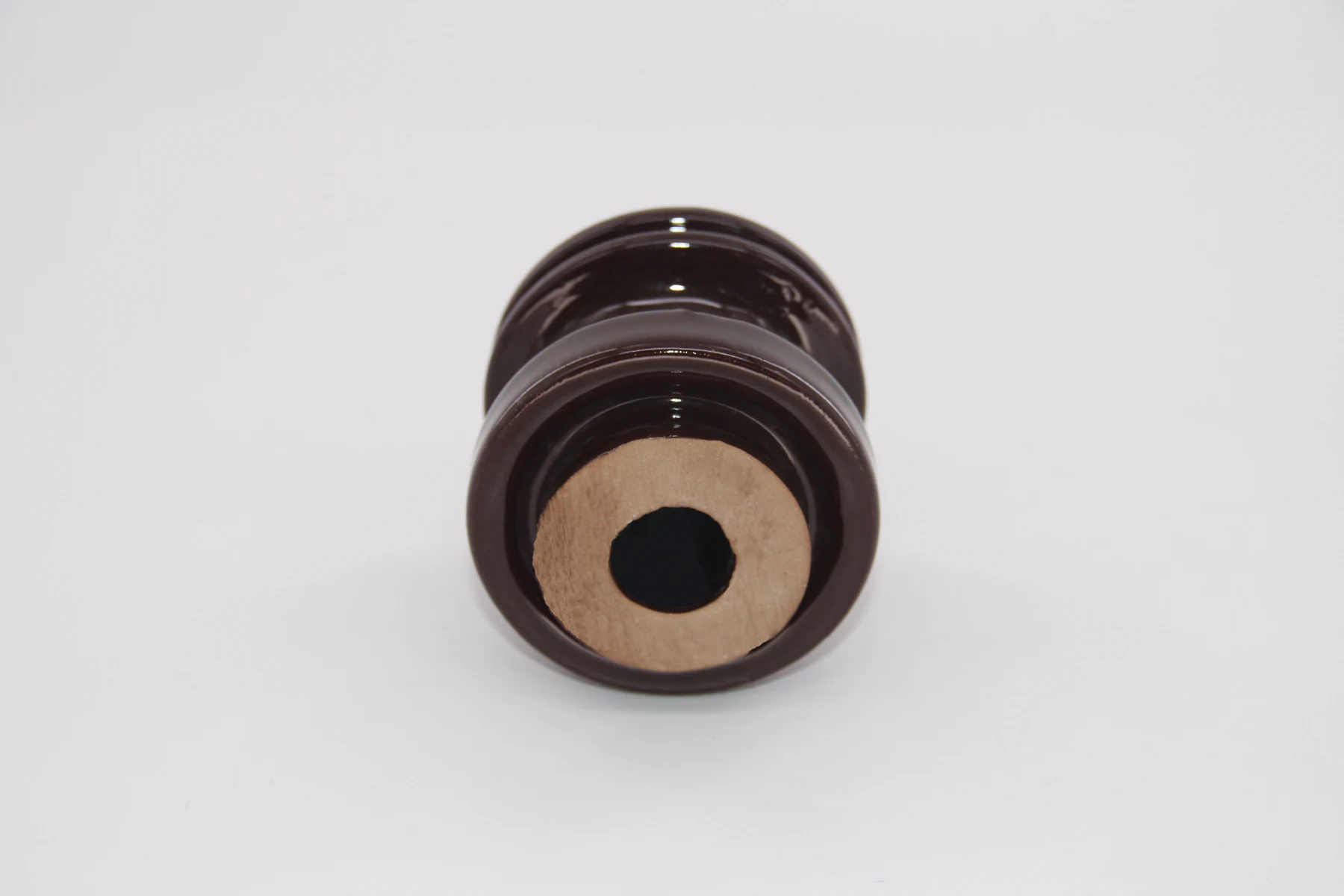
Receiving Inspection Before Storage
Inspect all porcelain insulators upon delivery for visible damage such as cracks, chips, or glaze defects. Check that the part number and rating match the purchase order. Do not accept insulators with broken or missing cement joints. Keep all packaging intact until inspection is complete.
Stacking and Storage Practices
Store insulators vertically on level ground or on racks designed for porcelain. Avoid stacking more than two layers high to prevent stress on lower units. Keep insulators away from direct sunlight, moisture, and temperature extremes. Do not place heavy objects on top of stacked insulators.
Lifting and Handling Procedures
Use soft slings or padded lifting gear to avoid glaze damage. Never lift by the pin, cap, or shed. For station post insulators, ensure the lifting point is aligned with the center of gravity. Do not use wire ropes or metal hooks that can scratch the surface.
Protecting the Glaze and Sheds
Avoid contact with sharp tools, abrasive materials, or chemicals during handling. Do not drag insulators across rough surfaces. If the glaze is scratched or chipped, do not use the unit. Inspect the sheds for deformation or compression marks before installation.
Checking Cement Joints
Inspect all cement joints for cracks, gaps, or missing cement. A compromised joint can lead to moisture ingress and mechanical failure. If a joint is damaged, do not install the insulator. Replace any unit with a visibly defective joint.
Pre Installation Checks
Verify that the insulator matches the structure’s mounting dimensions and coupling type. Confirm that the mechanical rating meets the maximum expected load. Check that the leakage distance and electrical ratings match the system requirements. Do not install insulators with visible damage or joint issues.
Handling During Installation
Use care when placing insulators on structures. Avoid dropping or bumping them during positioning. Ensure the insulator is fully seated on the pin or clevis. Do not apply excessive force to the cap or pin during tightening.
Insulator Performance Depends on Correct Handling
Even a properly rated insulator can fail if damaged during handling or storage. A cracked glaze or broken joint compromises both mechanical strength and electrical performance. Following these steps ensures the insulator performs as designed in service.