
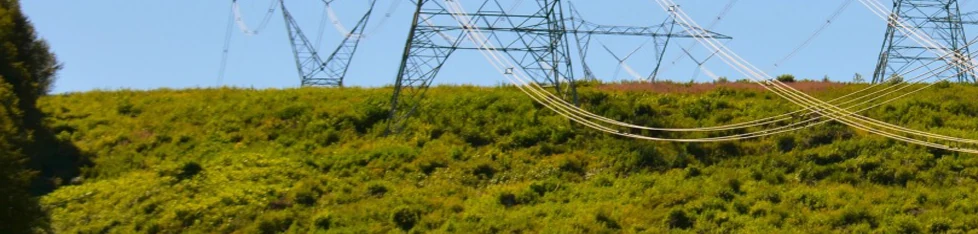
Porcelain Insulators for Power Distribution Networks
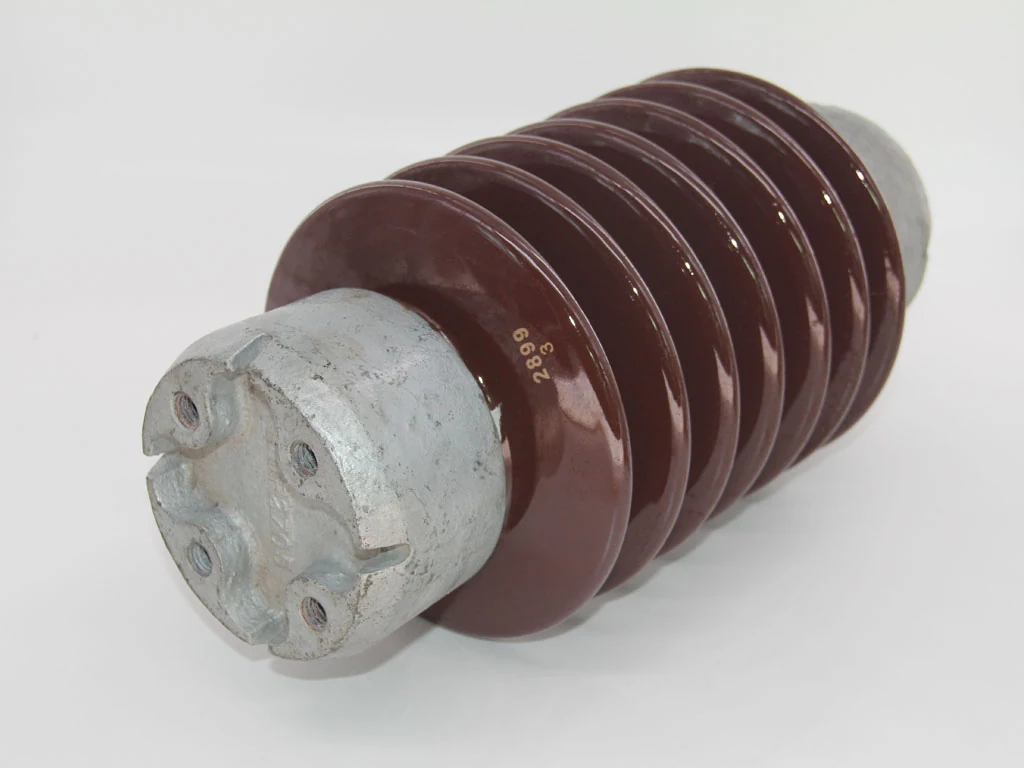
Porcelain insulators for overhead distribution networks, designed to ANSI standard dimensions and rated for specific system voltages. Built for use on pole lines in urban, rural and industrial environments. Each insulator type is engineered to meet mechanical and electrical performance requirements for its intended application.
What Goes Wrong on These Projects
- Mismatched insulator dimensions cause hardware interference during pole line installation
- Insulators with insufficient leakage distance fail under pollution or coastal exposure
- Low mechanical strength leads to failure under ice and wind loading
- Excessive radio interference disrupts communication signals near distribution lines
- Non-standard insulator designs require custom tooling and long lead times
What Buyers on These Projects Need
- Insulators with exact ANSI dimensions to match existing pole hardware
- Rated mechanical strength to handle maximum expected conductor loads
- Sufficient leakage distance for pollution and coastal environments
- Low radio influence voltage to meet local electromagnetic compatibility standards
- Consistent electrical performance under dry, wet and impulse conditions
Typical Scenarios
- Distribution lines in rural electrification projects where pole-mounted hardware must match existing insulator dimensions
- Urban distribution feeders exposed to industrial pollution requiring extended leakage paths
- Coastal areas with salt-laden air where insulator tracking and erosion must be minimized
- Lines near communication towers where radio interference must be kept below 200 microvolts
- Reconstruction of older distribution networks using original ANSI standard hardware


How an Enquiry Runs
Forming of the porcelain body using precision molds to match ANSI dimensions
Glazing and high temperature firing to ensure dielectric integrity
Cementing of metal fittings to the porcelain body using Portland cement
Mechanical testing of each unit to verify cantilever, transverse and tensile strength
Electrical testing to confirm dry and wet flashover performance against rated values
Radio influence voltage measurement at specified test voltage to meet the maximum limit
Delivery and Support
- Insulators shipped in protective packaging to prevent damage during transit
- Palletized for handling and stacking at the job site
- Labelled with the ANSI class, voltage rating, and quantity per pallet
- Custom orders delivered in accordance with the agreed production schedule
- All units comply with the dimensional and performance specifications listed in the product data
Power Distribution Networks FAQ
What is the type application voltage for the ANSI 56-3 high voltage pin type insulator
The type application voltage is 34.5kV. This is the system voltage the insulator is designed for.
What is the leakage distance for the ANSI 55-4 medium voltage pin type insulator
The leakage distance is 9 inches (229mm). This supports performance in polluted environments.
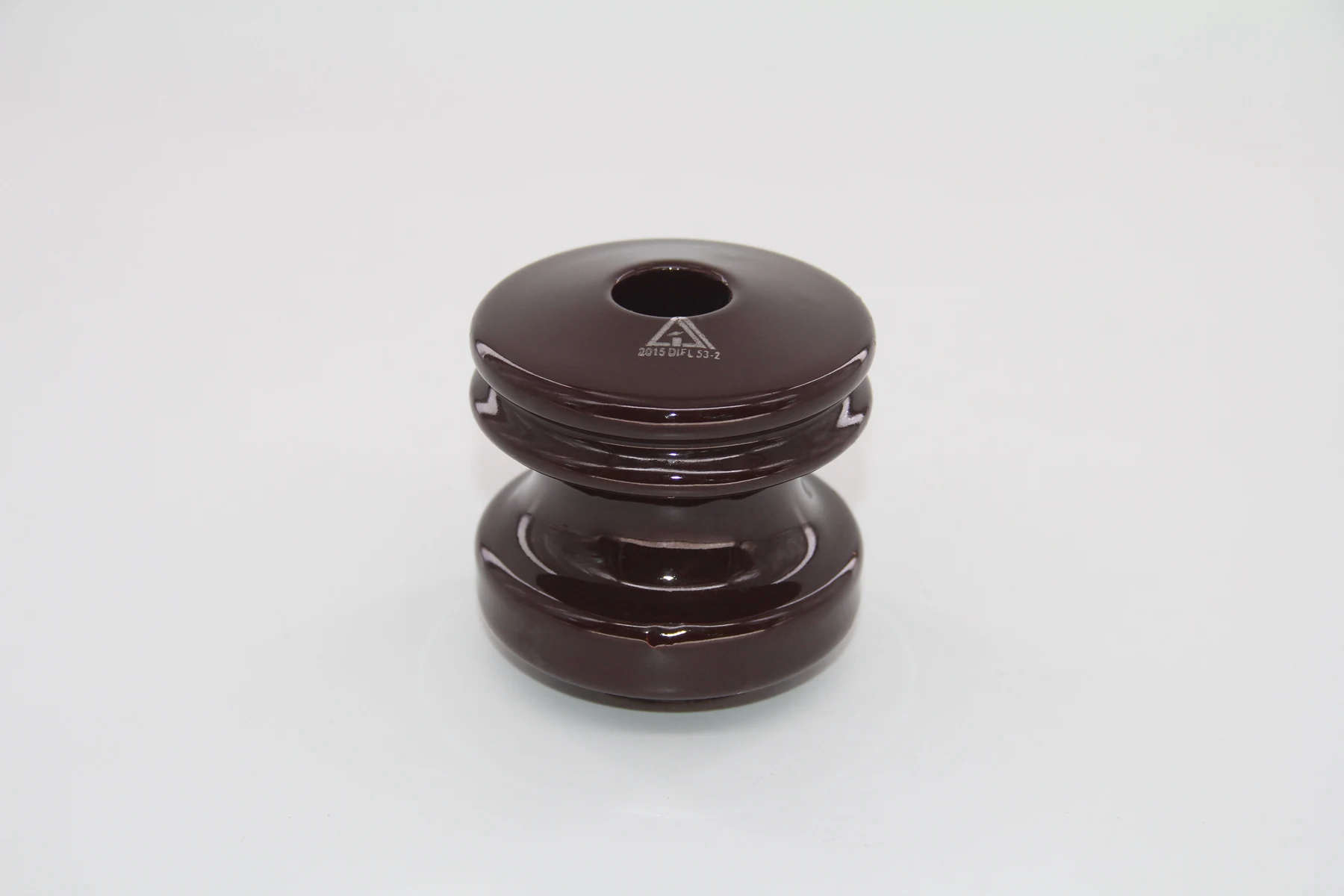
Can you supply spool insulators with a different diameter than ANSI 53-2
We build to ANSI standard designs. For non-standard diameters, our engineers can assist in developing a custom design.
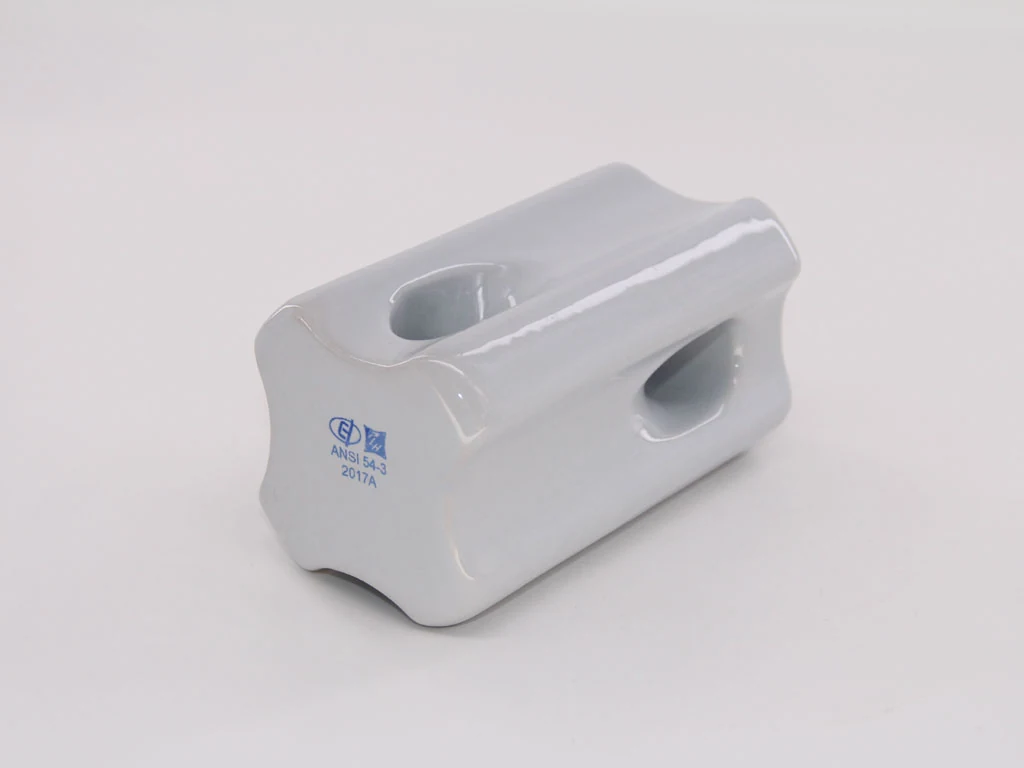
What is the maximum RIV for the ANSI 54-3 strain insulator
The maximum RIV at 1000 kHz is 200 microvolts when tested at 30kV RMS to ground.
Do you perform proof testing on every unit
Yes. Each unit is mechanically tested to verify its strength rating. Electrical performance is verified by sample testing.
What is the minimum pin height for the ANSI 56-3 insulator
The minimum pin height is 8 inches (203mm). This ensures proper engagement with the supporting hardware.
Which standards do your insulators follow
We produce insulators to ANSI, GB, BS, DIN, AS and IEC standard designs. All products are manufactured under an ISO 9001:2008 certified system.
Guides Worth Reading First
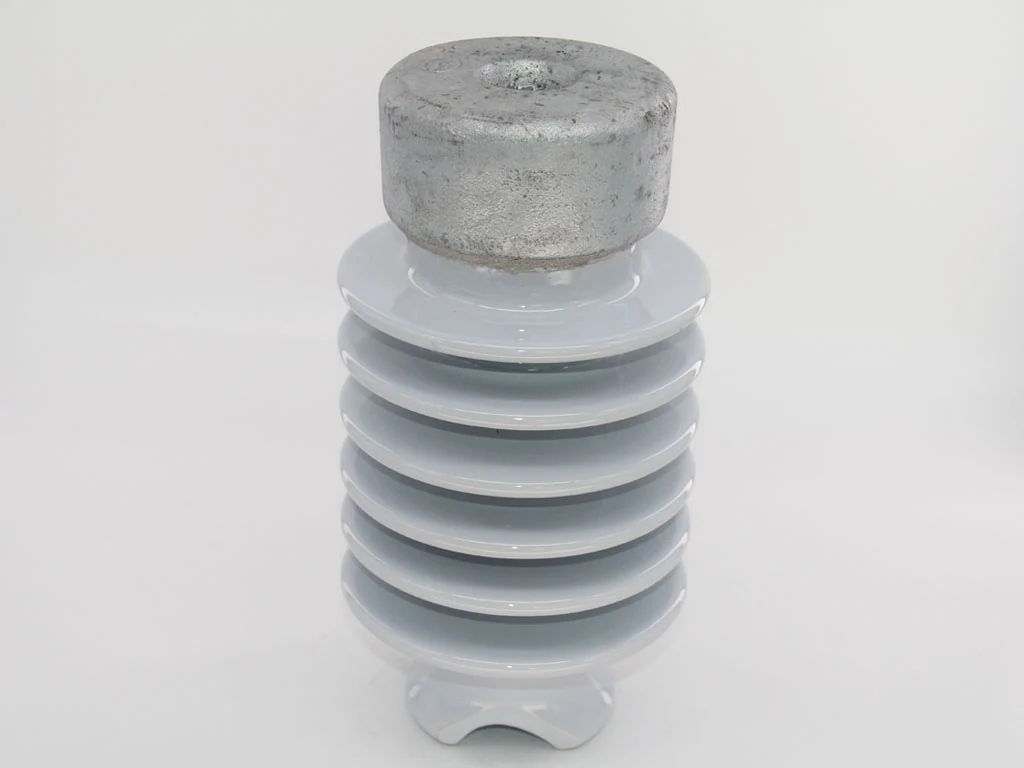
Choosing Between Pin Post and Suspension Insulators
How to select between pin type, line post, station post, suspension disc, strain or spool insulators based on mounting, mechanical loading a
Creepage Distance and Pollution Performance
Creepage distance values for IEC C4-125 (500mm), ANSI TR-208 (610mm), ANSI 57-2 (559mm), and ANSI 56-3 (533mm) insulators. How to compare po
Specifying Insulators for Power Distribution Networks
Send the schedule, the standard your tender uses and the destination. We will mark which lines map to classes we already produce.