
How To Brief A Custom Bag Programme
Most sampling rounds are wasted because the brief was incomplete. Five things fix that.
Send these five things
The reference. A physical sample, a competitor product or a clear photograph with dimensions. This removes more ambiguity than any written description.
The market. Country, channel and the shelf price. A supplier cannot choose material sensibly without knowing what the product has to cost.
The function. What goes inside it, and what has to be reachable without opening the main compartment. Pocket layout is where most revisions come from.
The branding. Where the logo goes, in what method, and whether you have artwork ready. Embroidery, print and metal plate are three different lead times.
The packing. Retail box, hang tag, barcode, and how it has to arrive at the warehouse.
What to expect back
A specification, material options with the price implication of each, and a sample. Approve the sample physically — a photograph is not a colour reference and never has been.
Once approved, that sample is the production standard. Keep one; the factory keeps one.
How to shorten the cycle
Restyle an existing model rather than developing from zero where you can. Changing material, colour and trim on a proven construction is one sampling round; a new construction is three.
Product Lines This Guide Covers
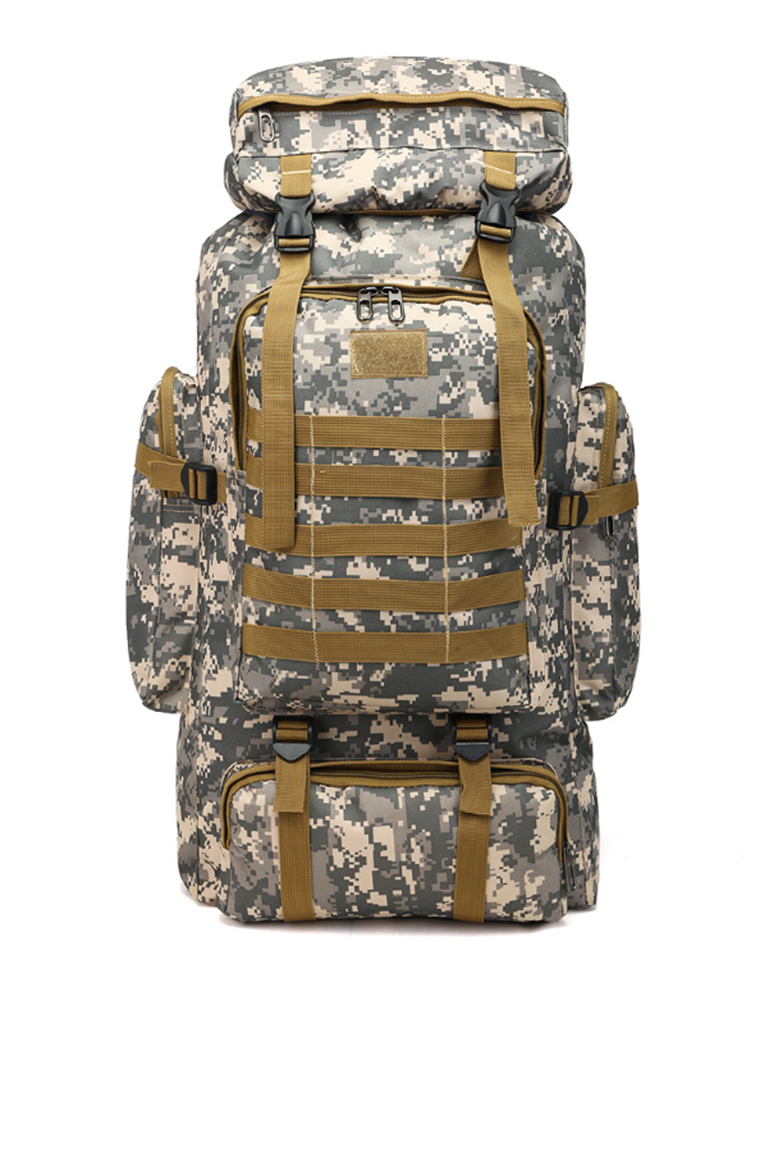
Backpack
Daypacks, business packs and travel backpacks — the piece that goes on the shoulder when the case goes in the hold.
See the line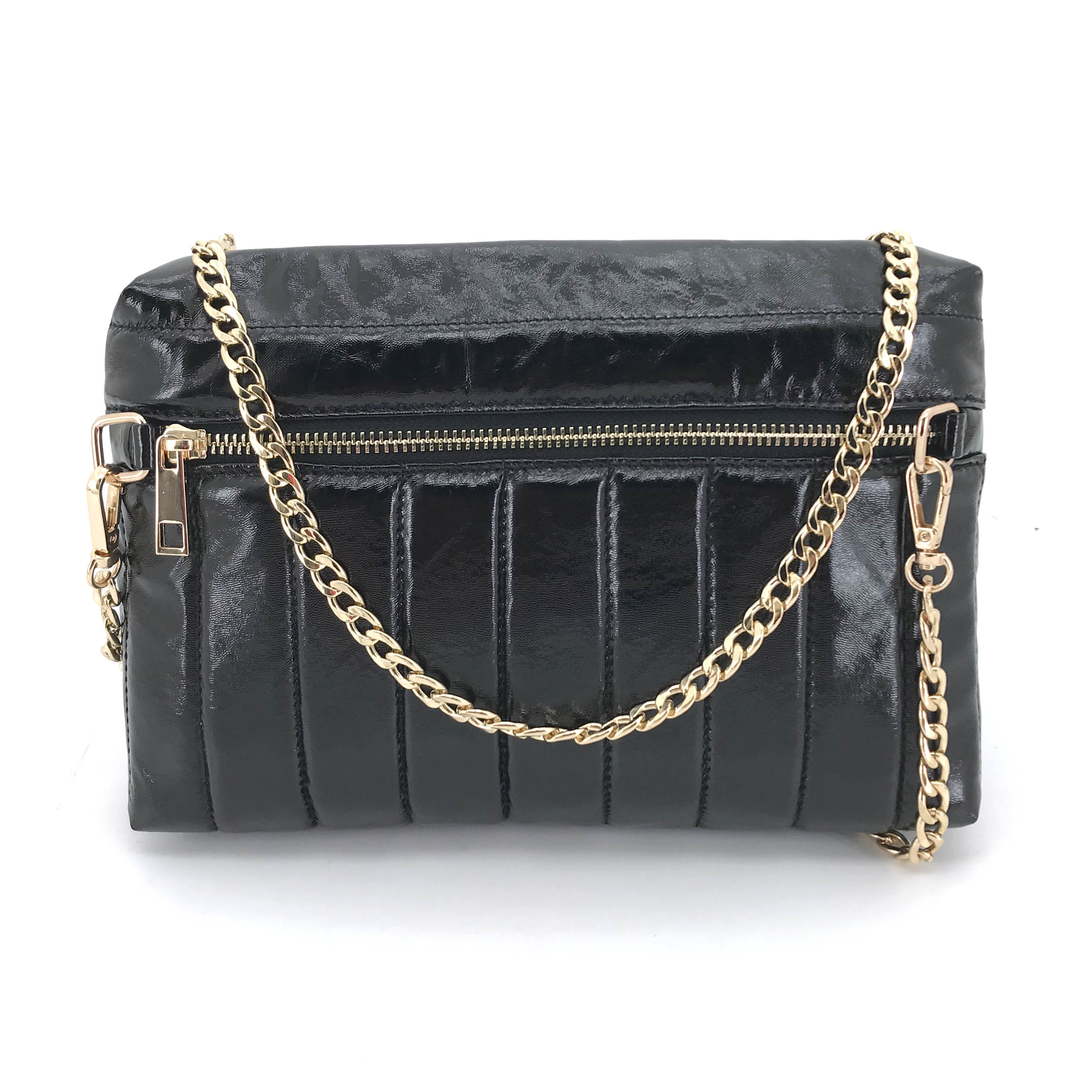
Lady's Bag
Shoulder bags, totes and handbags in leather-look and textile finishes — the anchor of the Guli fashion range.
See the line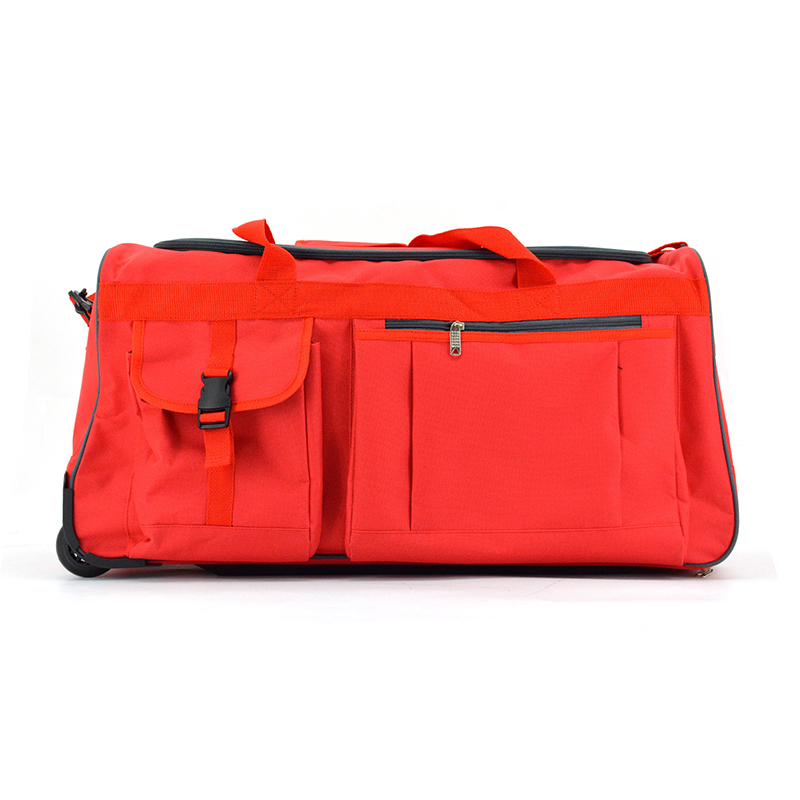
Duffel Bag
Weekend, sports and travel duffels — soft capacity that folds away when the trip is over.
See the lineBring Us The Decision You Are Stuck On
We quote across five ranges, so the answer is not always to sell you the thing you asked about.