
Hard Shell Or Soft Luggage For Your Range
Most collections need both. What matters is knowing which one carries the volume and which one carries the variety.
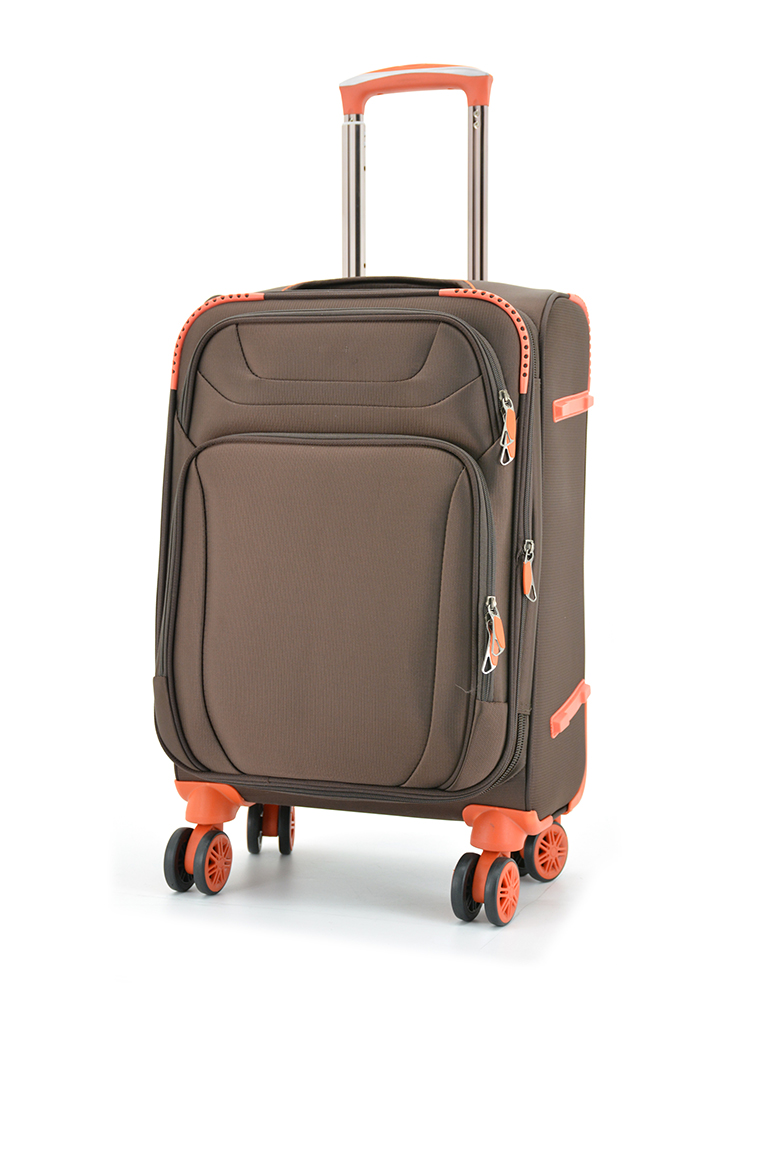
What each one is good at
A hard shell protects contents, stacks well in a carousel and photographs cleanly. It has no exterior pocket, it is heavier for the same capacity, and every new colour or finish is a tooling or a print decision.
A textile case gives you exterior pockets, an expandable gusset and a much wider colour and trim range without new moulds. It is lighter, it compresses in transit, and it carries embroidery and woven labels naturally.
What it means for the order
Hard shells usually carry the volume, because they photograph well and sell on the shelf. Textile usually carries the variety, because a fabric change costs almost nothing next to a mould change.
Freight is the part buyers underestimate. Textile cases ship at a lower weight and compress; a container of hard shells is mostly air. Ask for the packed cube of both before you decide the split.
A workable default
Two hard-shell families across two price tiers, one textile family with exterior pockets, and the accessories — covers, toiletry bags, a duffel — that turn a case sale into a basket.
Product Lines This Guide Covers
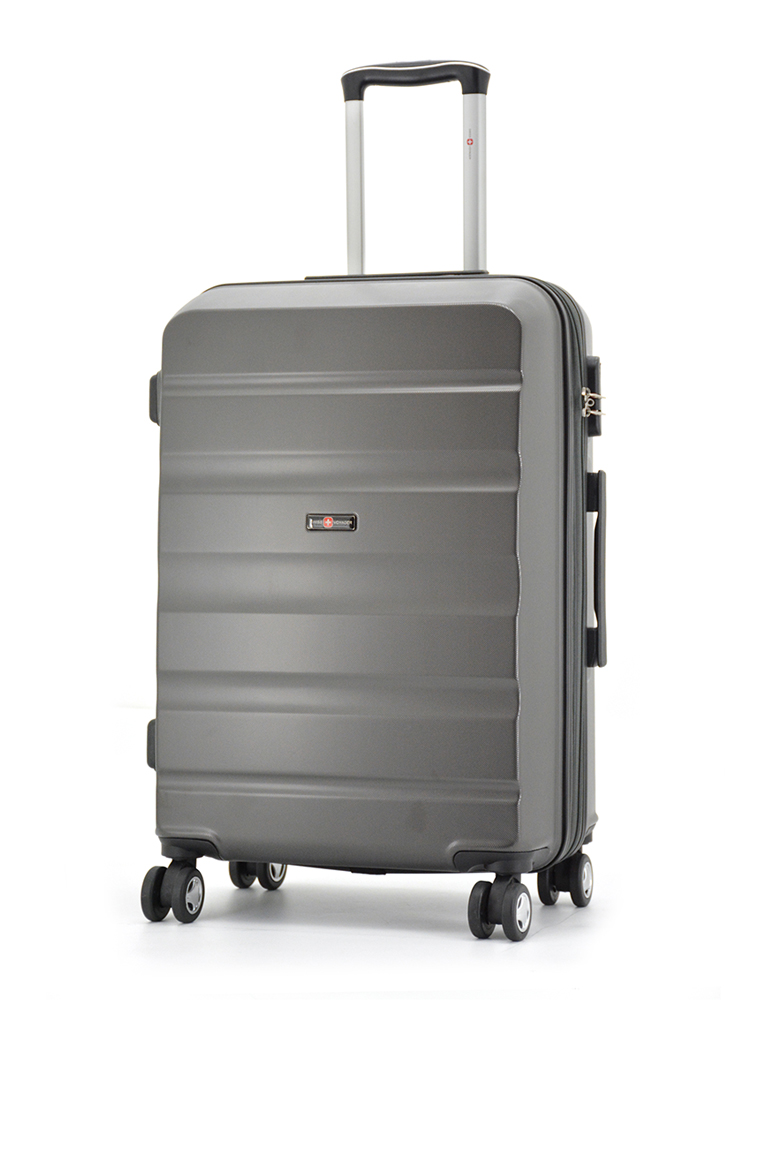
ABS / PC Luggage
Moulded hard-shell cases in ABS, PC and ABS-PC blends — the core spinner family behind fifteen years of Guli luggage programmes.
See the lineSoft / Textile Luggage
Fabric-shell trolley cases and expandable soft luggage — the range for buyers who need pockets, give and a lower shipping weight.
See the line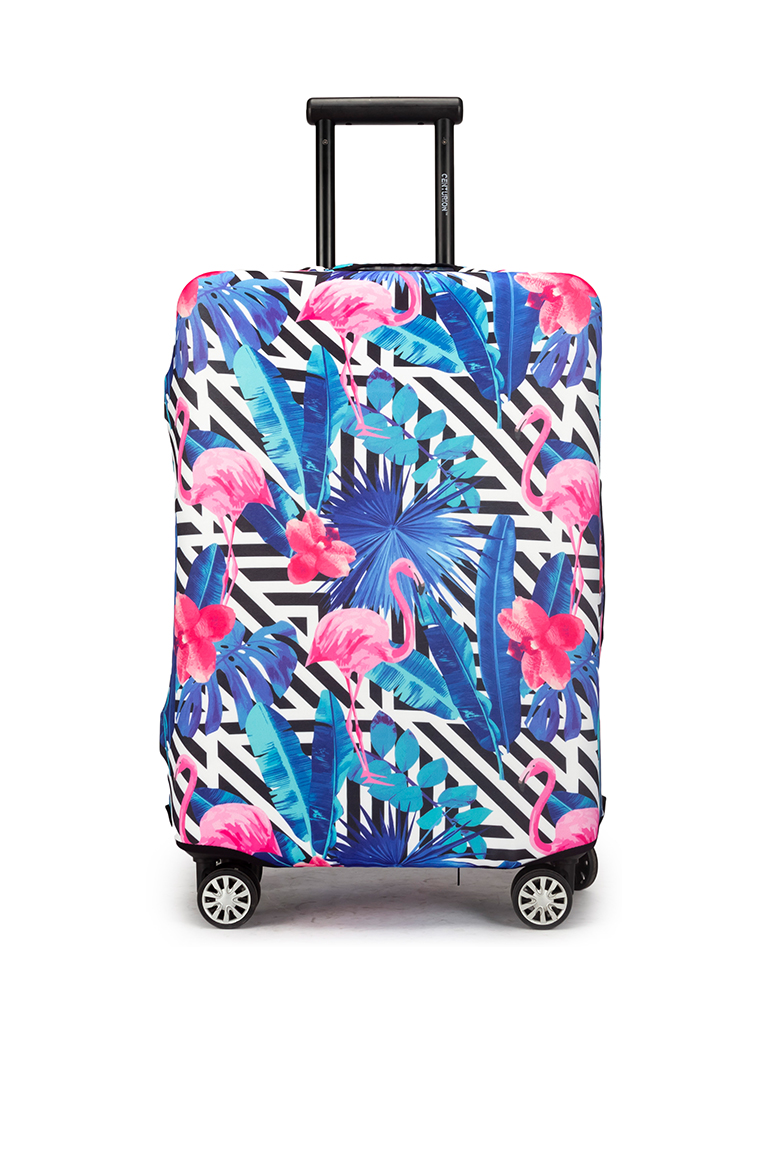
Luggage Cover
Stretch and printed covers that protect a shell, brand a fleet and make a case findable on the belt.
See the lineBring Us The Decision You Are Stuck On
We quote across five ranges, so the answer is not always to sell you the thing you asked about.