
Choosing A Camping Tent For Retail
Tent categories are defined by how they are pitched, and that single fact predicts who buys them.
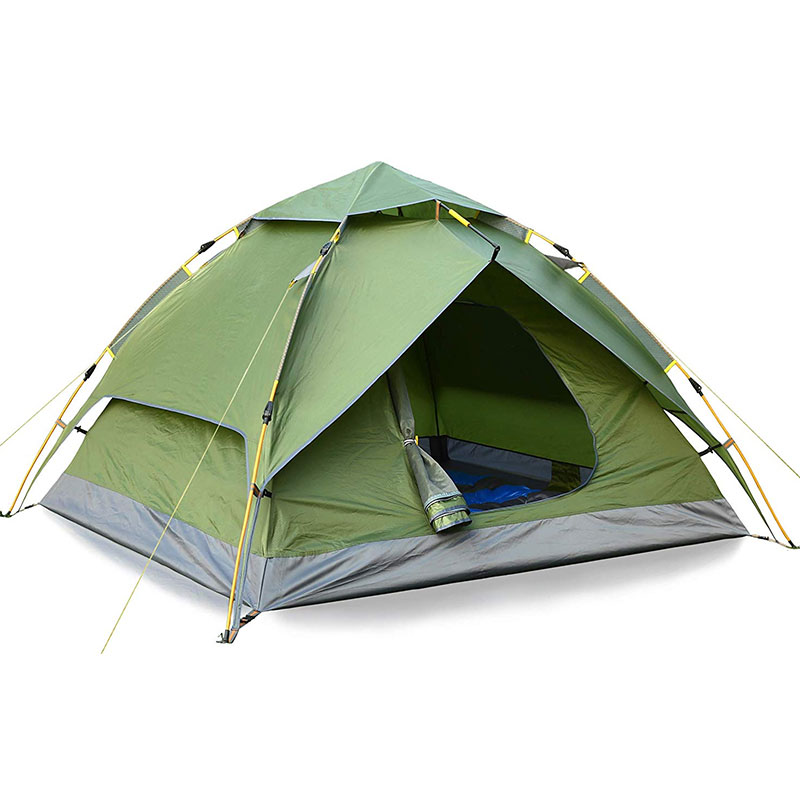
The four constructions
Pop-up tents unfold from a sprung frame with no assembly at all and fold into a flat disc. They sell to people who camp once or twice a year, at festivals and on beaches, and they almost never generate a pitching complaint.
Automatic tents use a linked pole system that erects with one pull. They pack into a conventional bag, hold their shape better in wind than a pop-up, and sit a tier above them.
Manual pitch tents cover everything from a two-person dome to a serious three-season shelter. They sell to people who care about wind and rain performance and are willing to read instructions.
Teepee and family tents sell on internal volume — standing height, separate rooms, a porch. Their weakness is packed size, which decides whether they work on your shelf at all.
What to settle before ordering
The packed size, because it decides the shelf plan and the container. Ask for the actual packed dimensions of the approved sample rather than the catalogue figure.
The fabric and coating, specified as numbers rather than adjectives.
The season and the on-shelf date, working backwards to the latest booking window.
Product Lines This Guide Covers
Camping Tent
Manual, automatic, pop-up, teepee and family tents — the widest tent range in the Guli outdoor programme.
See the line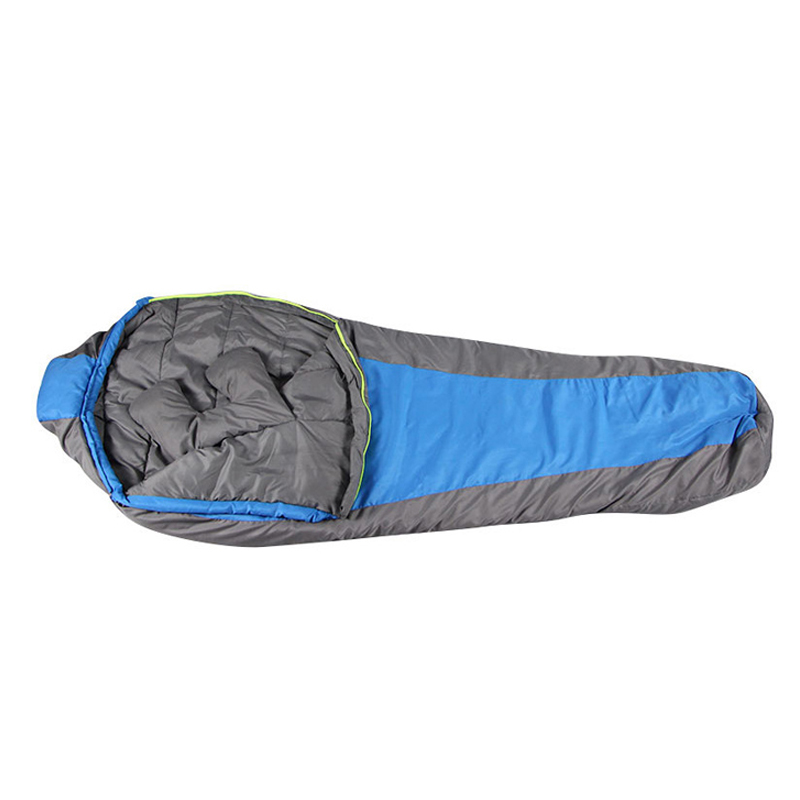
Sleeping Bag
Envelope and mummy sleeping bags across the fill weights a season needs.
See the line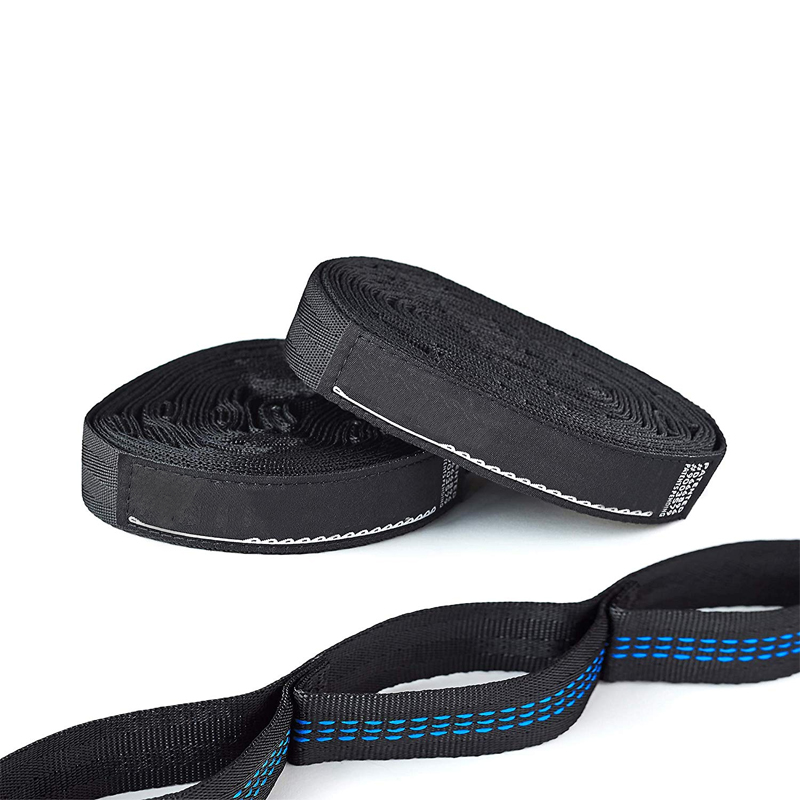
Camping Gear
Suspension straps, carabiners, throw weights and the small hardware that holds a camp together.
See the lineBring Us The Decision You Are Stuck On
We quote across five ranges, so the answer is not always to sell you the thing you asked about.