
SMD LED Chip Types Explained 2835 3014 3528 5050 And 5630
What the four-digit numbers mean, how they differ in output and heat, and where each belongs.
In This Guide
The Numbers Are Dimensions
An SMD designation is simply the package size in tenths of a millimetre. A 5050 chip is 5.0 by 5.0mm; a 3528 is 3.5 by 2.8mm; a 2835 is 2.8 by 3.5mm - the same footprint as a 3528 rotated, but a different internal construction.
The number tells you nothing directly about brightness, colour or quality. It tells you how much room the package has for the die and for getting heat out.
Single Die Versus Multi Die
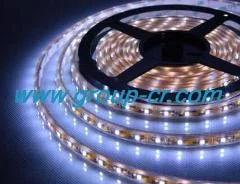
A 3528 or 2835 package normally carries a single die. A 5050 carries three, which is what makes it the standard package for RGB strip - one red, one green, one blue die in a single package, mixing at source.
That is why RGB strip is almost always 5050 and white strip is often 3528 or 2835: colour mixing needs the space, plain white does not.
Heat Is The Real Difference
A larger package has more thermal mass and a larger contact area with the board, so it sheds heat more easily and can be driven harder. A 5630 is used where output per LED matters, and our WiFi downlight range uses 5630 emitters for that reason.
The 2835 package improved on the 3528 mainly through a better thermal path, which is why it displaced it in general lighting even though the footprint is the same.
Where Each Package Ends Up
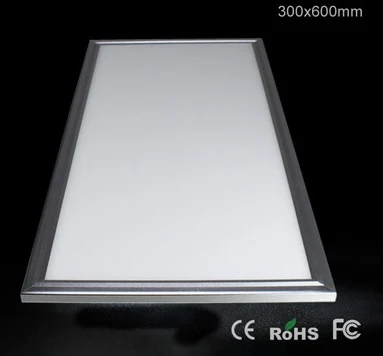
2835 and 3014 dominate panel lights, where many small emitters spread across a light guide plate give even output without hot spots. Our CCT adjustable panels use 3014 in high counts.
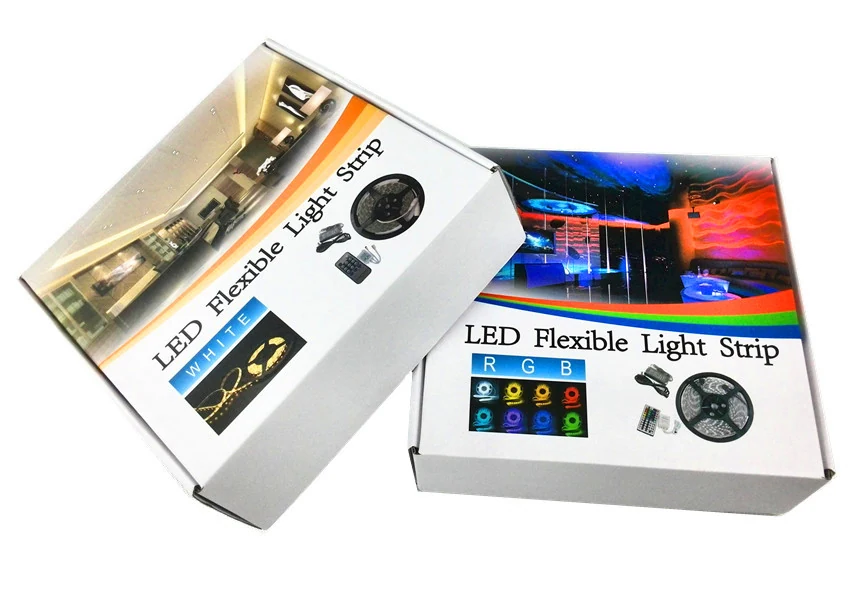
3528 is common in economical white strip and in retail kits where cost per metre matters.
5050 is the default for RGB strip, RGB panels and colour-changing products generally.
5630 and similar larger packages appear where output per emitter matters more than emitter count.
What To Ask When Comparing Strip
Ask for the package type and the LED count per metre together. Sixty 3528 emitters per metre and sixty 5050 emitters per metre are very different products at very different prices.
Ask for the power per roll, because that is what sizes the driver.
Ask for the PCB width, because it determines whether the strip fits the channel you already have.
Product ranges covered in this guide
Products Discussed In This Guide
Questions About This Topic
Is 5050 always better than 3528?
No - it is bigger and usually brighter per emitter, but for economical white strip a higher count of smaller emitters can give more even light for less money.
Which package do your strip products use?
The kit range uses 3528 and 5050 depending on the specification, and the waterproof bulk strip is built on the 5060 platform. Each product page states its own.
Does the package type affect the colour?
Not directly. Colour comes from the die and the phosphor. The package affects how much heat the emitter can shed, and heat affects colour stability over life.
Other Guides In The Knowledge Centre
How To Choose The Right LED Lamp Base For Your Market
E27, E26, B22, E14, GU10 and MR16 explained, with the export mistakes that cost importers money.
Buying GuideLumens Not Watts How To Compare LED Bulbs Properly
Why wattage stopped being a measure of brightness, and what to ask a supplier instead.
Buying GuideLED Colour Temperature Explained From 2400K To 6500K
What kelvin values actually mean, where each band belongs, and how to avoid a room full of returns.
Design GuideHave A Specification Question
Send it by email with the application and the quantity. A written answer from someone who knows the range beats an hour of searching.