Dental equipment commissioning without factory-dispatched field engineer has become the dominant delivery model for equipment sourced from Shanghai to destinations outside established OEM service networks — covering most of Sub-Saharan Africa, Central and South Asia, Pacific Islands, Caribbean, Central Asia, and much of the Middle East outside GCC premium markets. Remote video-guided commissioning is not a compromise; when done well, it delivers equivalent outcomes to on-site commissioning for the majority of dental equipment categories. This guide walks through the remote commissioning model.
The commissioning challenge
Factory field-engineer dispatch for dental equipment installation outside major markets is economically infeasible:
- Engineer dispatch cost: USD 3,500–8,500 for 3–5 day dispatch including flights, hotels, per diem, labor — cost frequently exceeds 10–15% of equipment value for mid-tier commissions
- Visa and travel logistics: Chinese engineers face visa barriers to many destination countries; timeline impacts of 2–8 weeks for visa processing at some destinations
- Limited regional bench depth: most Chinese equipment suppliers have only 1–3 engineers capable of international dispatch; scheduling delays common
- Post-commissioning service challenge: same engineer dispatch economics apply to service calls, making routine maintenance impractical
Remote video commissioning model
Effective remote commissioning uses video conferencing + local technical assistance:
- Pre-shipment preparation: Chinese supplier provides written commissioning manual, photo/video installation sequence, local technician requirements specification, parts and tools inventory
- Local technician engagement: buyer engages local electrical/mechanical technician familiar with dental equipment concepts (if available) or general electrical/medical equipment technician
- Video commissioning sessions: Chinese supplier engineer conducts video-guided commissioning over WhatsApp, WeChat, Zoom, or Teams — typical sessions 2–4 hours, multiple sessions over 2–5 days total
- Documentation package: comprehensive photo documentation of each commissioning step for reference
- Acceptance testing: factory test protocol executed remotely, with local technician performing measurements and video-verifying results
- Clinical training: separate series of video sessions for clinical operator training (2–6 hours typical depending on equipment complexity)
Equipment categories well-suited to remote commissioning
- Intraoral scanners (IOS): very well-suited. Minimal physical installation (plug-and-play), software setup straightforward. Most IOS vendors commission 100% remotely.
- Dental autoclaves: well-suited. Physical installation straightforward, commissioning largely electrical + plumbing + validation cycle testing.
- Dental compressors and suction systems: moderately well-suited. Physical installation requires local skilled technician for piping; electrical commissioning straightforward.
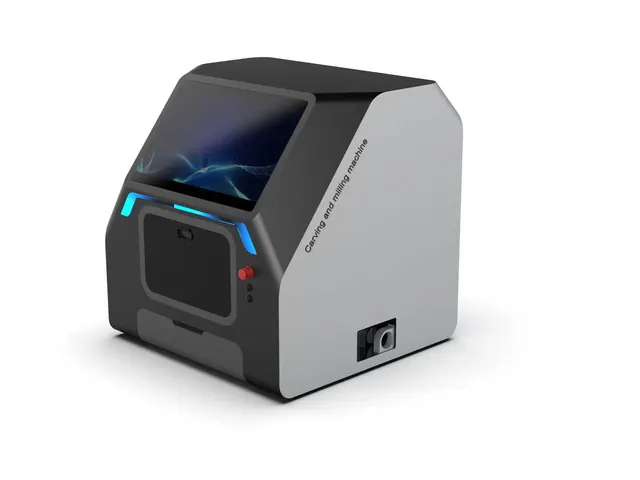
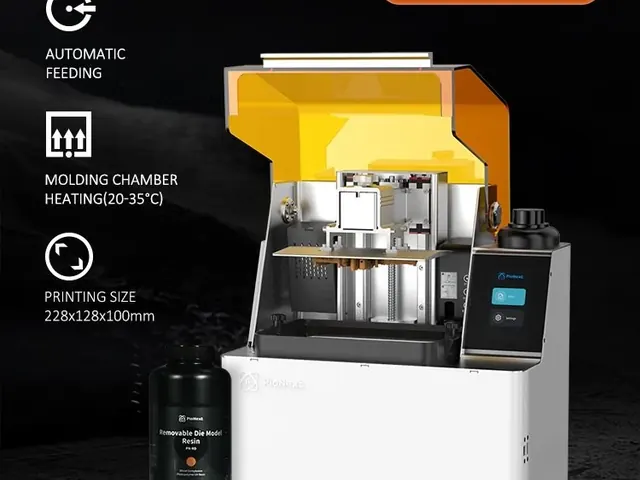
- 3D printers and milling machines: well-suited with competent local technician. Software setup and calibration can be conducted remotely effectively.
- Dental chairs: moderately well-suited. Physical assembly requires skilled local technician; electrical and hydraulic commissioning effectively remote-guided.
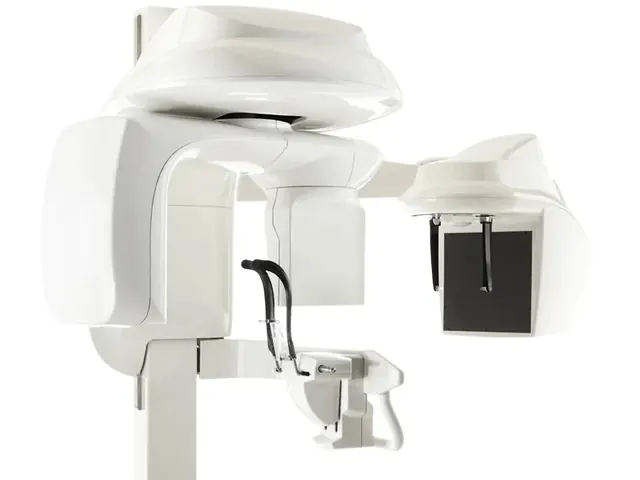
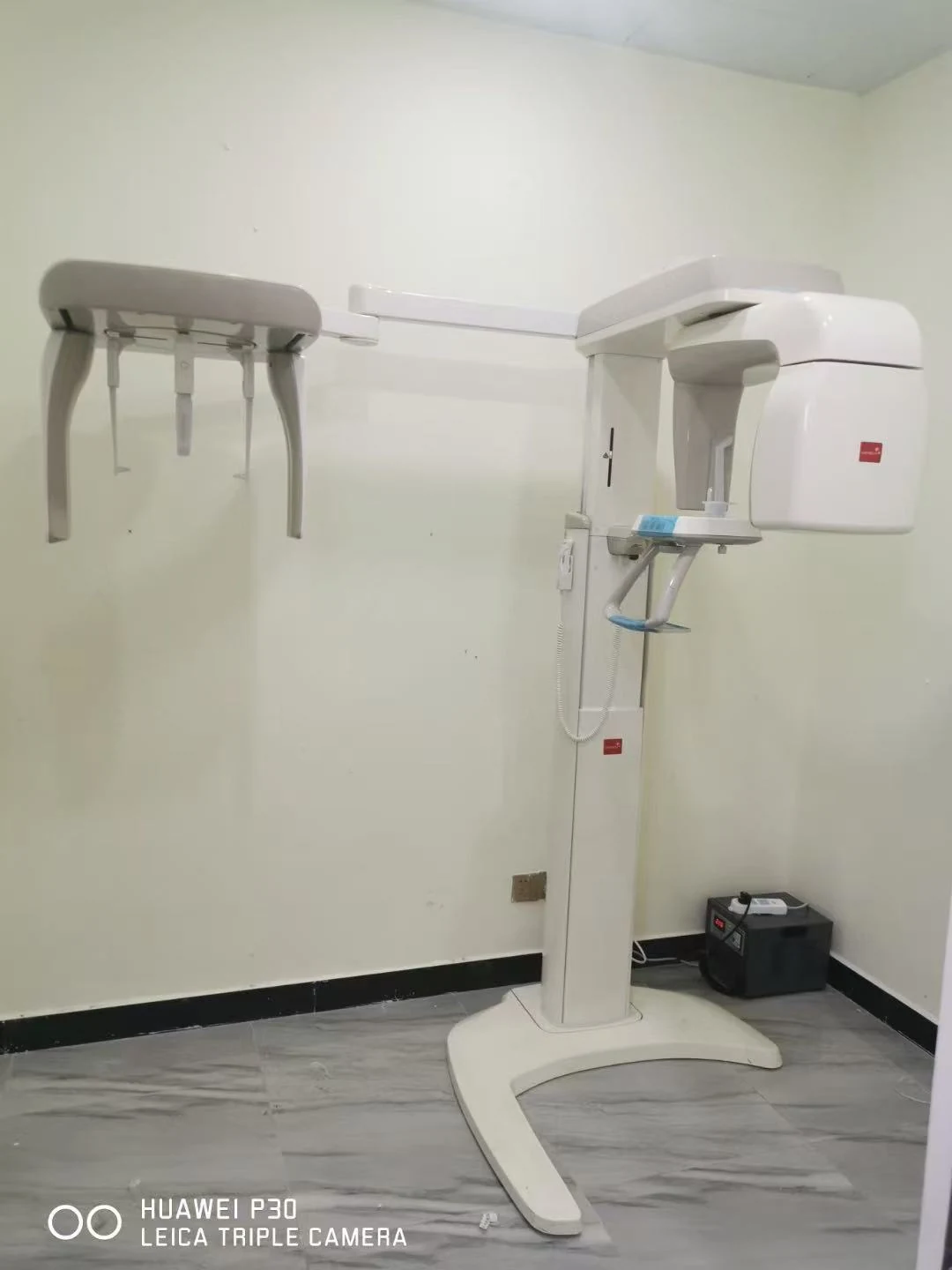
- Panoramic X-ray units: moderately well-suited with qualified radiation safety officer local.
- CBCT units: more challenging but feasible. Requires competent local electrical technician and qualified radiation safety officer. Commissioning typically 5–10 days with multiple video sessions.
Equipment categories that typically require on-site engineer
- Hospital-scale CBCT in busy clinical environment: complexity, calibration precision, and service response expectations typically justify on-site commissioning
- Comprehensive multi-unit clinic commissioning with integrated PMS + imaging + IOS + lab workflow: integration complexity benefits from on-site engineer
- Specialty OR-grade equipment such as surgical microscopes or complex surgical workflow integration
Local technician requirements
Effective remote commissioning requires qualified local technician for physical installation tasks:
- Electrical qualifications: licensed electrician familiar with local electrical codes
- Mechanical aptitude: ability to follow written installation instructions and photo sequences
- Video call tolerance: comfortable with video-guided work, able to adjust position/angle as directed
- Language capability: English or supplier’s local-language capability (Chinese suppliers frequently speak English at basic-to-competent level; some speak Arabic, French, Spanish, Russian, or other regional languages)
- Tool access: basic electrical/mechanical tools; equipment-specific tools shipped with equipment
- For CBCT: qualified medical physicist or radiation safety officer for radiation measurement and shielding validation
Spare parts inventory strategy
Remote commissioning model requires larger spare parts inventory than on-site commissioning because:
- Service response via engineer dispatch is not practical
- Parts shipment from China typically 5–10 days (air courier) or 25–45 days (ocean freight)
- Clinical equipment downtime directly impacts revenue
Typical spare parts inventory for different equipment:
- IOS: 2–3 replacement tips, 1 spare charger, 1 spare calibration plate (USD 300–650)
- Autoclave: door seal, filter cartridges, pressure sensor (USD 200–400)
- Dental chair: motor brushes, lamp bulbs, handpiece couplings, minor electronic parts (USD 400–800)
- CBCT: sensor cleaning kit, positioning laser, minor mechanical parts (USD 800–1,800) plus preferred major-component spares if practice volume justifies (e.g., spare detector USD 8,000–15,000)
- Compressor: filters, valves, pressure switch, motor brushes (USD 300–600)
- Milling machine: spindle (critical wear part), drill bits, belt, control electronics (USD 1,500–3,500)
Communication protocol for effective remote work
Successful remote commissioning relies on clear communication:
- Scheduled sessions: pre-agreed time slots accommodating time zone differences (typical China UTC+8 vs. destination time zone)
- Written session summary after each video session, documenting progress and next steps
- Photo documentation of each commissioning step for reference and troubleshooting
- Shared document repository: Google Drive, Dropbox, or equivalent for manual, video, photo access
- WhatsApp or WeChat group for quick questions and small items
- Clear escalation path for issues requiring supplier engineering team consultation
Commissioning success criteria
Well-structured remote commissioning defines specific acceptance criteria:
- Equipment installation verified (mechanical, electrical, plumbing as applicable)
- Factory test protocol executed successfully
- Calibration within factory specification (where applicable)
- Clinical operator training completed with competency demonstration
- Documentation package complete (installation record, test results, training records)
- First clinical case successfully completed (for applicable equipment)
- Sign-off on commissioning completion by buyer and supplier
Cost comparison: remote vs. on-site commissioning
For a USD 35,000 CBCT commission to a Nigerian private clinic:
- On-site engineer dispatch: USD 6,200 (engineer cost + travel + per diem for 5 days)
- Remote commissioning: USD 450 (engineer time + local technician cost + extra spare parts reserve)
- Outcome quality: equivalent for CBCT with competent local electrical technician and qualified radiation safety officer
- Timeline: remote typically 7–10 days vs. on-site 3–5 days
- Cost savings: approximately USD 5,750 applied to extended spare parts inventory provides substantial operational resilience
Planning remote commissioning for Shanghai-sourced dental equipment?
WhatsApp us with your equipment category, destination country, and local technical resources available. We’ll structure a commissioning plan matched to your equipment and local capability, specify spare parts inventory, schedule video commissioning sessions in your time zone, and provide comprehensive photo-and-video installation documentation.
Ready to price this out?
Tell us the model, quantity and destination port. We reply with FOB or CIF pricing, current stock status and a video demo where the unit is in our Shanghai warehouse.