
Choosing a Buffing Wheel Centre Iron Claw or Iron Plate
The wheel centre is the metal component that holds the folded plies of fabric or sisal in place during polishing. It determines how the wheel mounts on the spindle and affects balance, runout and tooling setup. Centres come in two main types: iron claws and iron plates. Iron claws are used for...
What A Wheel Centre Is
The wheel centre is the metal component that holds the folded plies of fabric or sisal in place during polishing. It determines how the wheel mounts on the spindle and affects balance, runout and tooling setup.
Centres come in two main types: iron claws and iron plates. Iron claws are used for high-speed polishing where quick wheel changes are needed. Iron plates are used when the wheel needs to be rigid and stable over long runs.
Iron Claw Centres
Iron claws are available in 2 inch, 2.5 inch and 5 inch sizes. They are used with forming machines that clamp the wheel body onto the claw's teeth.
The claw's teeth engage the wheel's inner ply layer. The 5 inch claw is the most common size for airway buffs, especially for wheels in the 300 to 600 mm diameter range.
Claws are not interchangeable between machines. Each forming machine model requires a specific claw size and clamp set.
Iron Plate Centres
Iron plates are used with airway buffing wheels that require a flat, rigid base. They come with either round hole or hexagon hole adaptors to fit different spindle types.
The plate is pressed into the wheel body during forming. The hole shape determines how the wheel aligns on the spindle. Round holes are standard for general use. Hexagon holes provide better torque transfer and reduce slippage.
Plates are typically used in applications where the wheel runs at lower speeds but needs high stability, such as in cookware or jewellery polishing lines.
Clinch Rings And Teeth Types
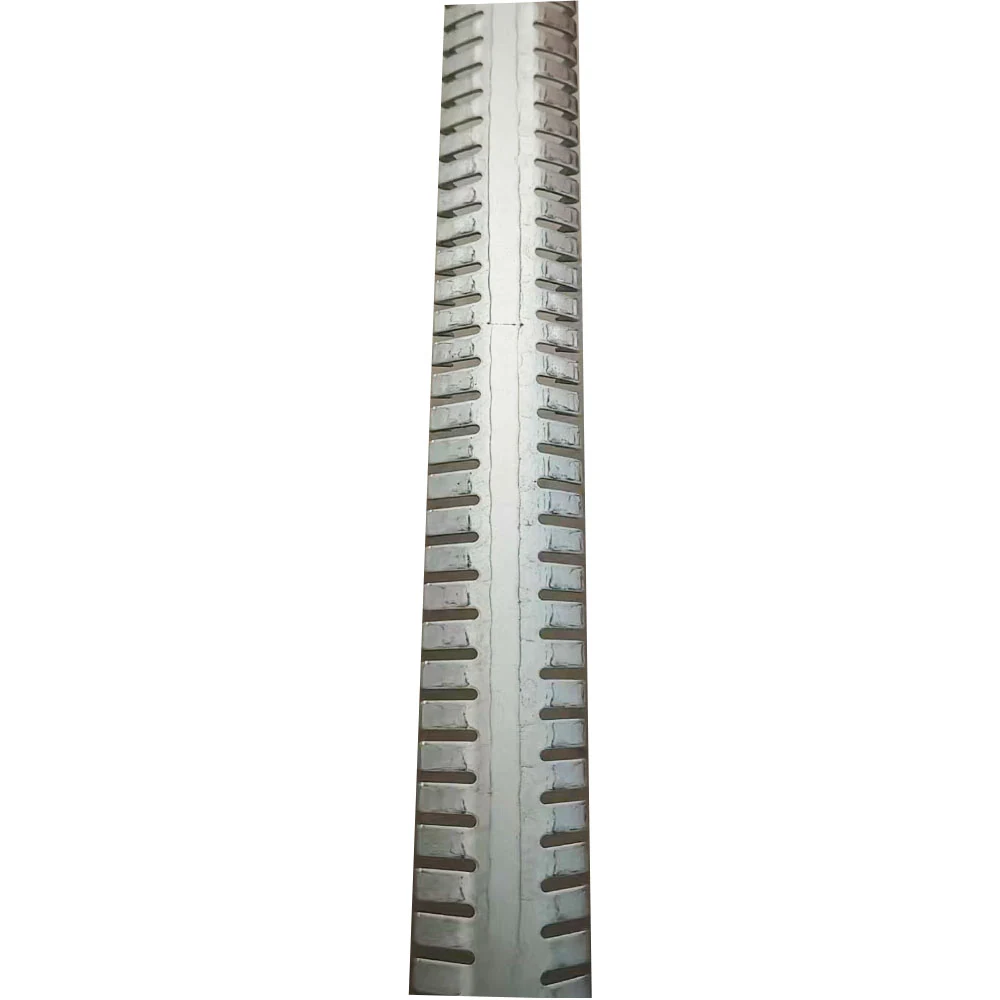
Iron clinch rings are pressed from 1.2 mm steel plate through 5 to 8 operations. They are used to secure the inner ply of the wheel to the centre.
Standard clinch rings have 43 teeth and are available in diameters from 3 inch to 8 inch. Common sizes are 5 inch (127 mm) and 7 inch (180 mm).
Triangle teeth rings are used specifically for airway buffs. Square teeth rings are available in 1.5 mm and 2.0 mm thickness. The tooth shape affects how tightly the inner ply is held during forming and running.
How Centre Choice Affects Machine Tooling
The centre type determines the clamp set and moulding tooling required on the forming machine. Iron claws require claw-specific clamps. Iron plates require plate-specific moulds.
Changing between claw and plate centres requires a full tooling change. This affects setup time and production scheduling.
The forming machine model must match the centre size. The CRA-800 accepts 2 inch, 2.5 inch and 5 inch claws. The CRA-300 accepts 2 inch and 2.5 inch claws.
Questions On This Topic
What sizes of iron claws do you support?
Iron claws in 2 inch, 2.5 inch and 5 inch sizes are supported by the forming machines.
Can I use an iron plate with a claw-based forming machine?
No. The forming machine must be set up for either claws or plates. Tooling is not interchangeable between the two.
What is the standard number of teeth on a clinch ring?
The standard clinch ring has 43 teeth.
Are triangle teeth rings used for all buffing wheels?
No. Triangle teeth rings are used specifically for airway buffs. Square teeth rings are used in other applications.
How thick are the clinch rings?
Clinch rings are made from 1.2 mm steel plate. Square teeth rings are available in 1.5 mm and 2.0 mm thickness.
Products Mentioned Here


Still Not Sure Which Machine Fits
Send us the wheel or the cut you need to produce and we will tell you which model covers it, and which one does not.