
Stainless Steel Cookware and Pot Polishing
Stainless steel cookware and pot polishing lines use sisal plane buffs for sanding or matt finishing, followed by cotton or treated cotton airway buffs for bright finishing. CRATOOLS supplies both the consumable buffs and the machines that form them, enabling consistent wheel production at scale. The same factory can...
The Short Version
Stainless steel cookware and pot polishing lines use sisal plane buffs for sanding or matt finishing, followed by cotton or treated cotton airway buffs for bright finishing. CRATOOLS supplies both the consumable buffs and the machines that form them, enabling consistent wheel production at scale. The same factory can produce wheels from 10x3x4p to 20x9x4p in inch inner diameter by outer diameter by ply, using bias fabric and iron clinch rings.
Where It Goes Wrong
- Manual buff formation leads to inconsistent ply spacing and uneven wear during polishing
- Sisal and airway buffs made by hand vary in density and shape, causing finish drift across batches
- Separate suppliers for fabric, iron plates, and tooling result in mismatched components
- Changing wheel structures requires retraining and new tooling from different vendors
What Buyers Need
- A forming machine that holds consistent wheel geometry across shifts and operators
- Tooling compatible with 1.5 mm and 2.0 mm square tooth iron clinch rings
- Machines that match the 10x3x4p to 20x9x4p wheel size range used in cookware polishing
- English-language machine interface and operator training for consistent setup
Typical Situations
- A cookware manufacturer adding a 1500 pieces per day sisal buff line using CRA-500, CRA-800, CRA-600 and CRA-700
- A pot polishing line upgrading from hand-made buffs to machine-formed wheels with consistent ply count
- A factory producing both matt and bright finish buffs needing a single line for sisal and cotton airway wheels
- A workshop adding 150 mm to 200 mm wheels for large pot polishing, using the CRA-300 iris machine
How The Work Runs
Step 1
Bias cutting and rolling on the CRA-500 to feed fabric at the correct angle into the former
Step 2
Forming on the CRA-800 for 200 to 600 mm wheels or the CRA-300 for 100 to 250 mm wheels
Step 3
Pressing on the CRA-600 buffing polishing wheel pressing machine to compact the layers
Step 4
Edge and trim cutting on the CRA-700 to remove excess material and shape the wheel
Step 5
Assembly with 1.5 mm or 2.0 mm square tooth iron clinch rings to secure the wheel centre
Products For This Work

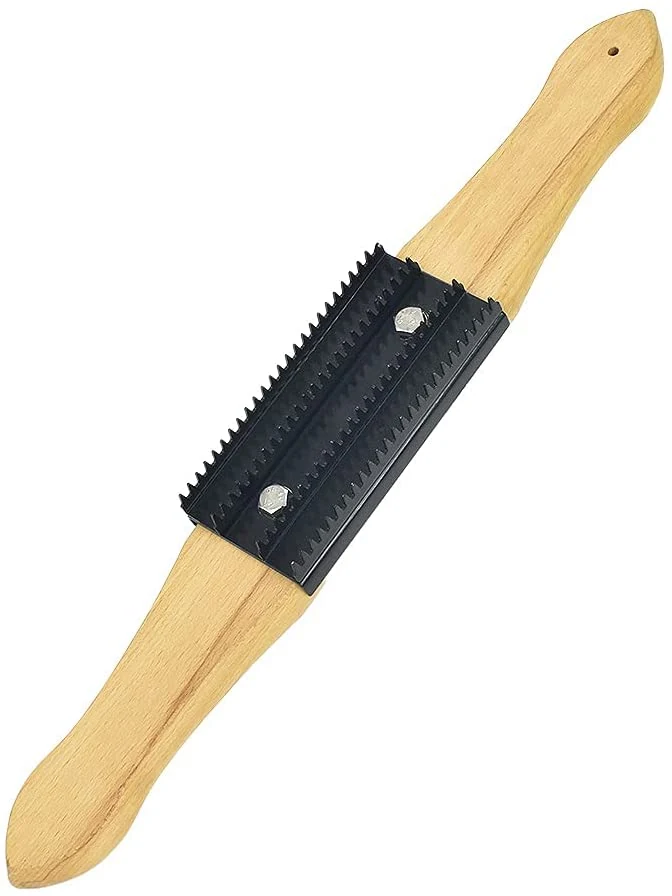
Polish Buffs Rakes for Raising and Shaping Sisal Cotton Buffing Wheel
View Details
High Speed Polish Compound Machine Polish Paste Mixer Tank
View Details
Bias Sisal Plane Polish Buffs with Iron Ring
View Details
Triangle Teeth Iron Clinch Ring/Hoops/staples for Airway Buffs
View Details
Sisal Buffs
View Details
Bias Cotton Airway/Airflow Polish Buffs
View Details
Bias Sisal Corrugated Polish Buffs
View Details
Sisal Rope Buffs Forming Machine
View DetailsDelivery And Terms
- 5 to 15 workdays from stock, 15 to 60 workdays made to order depending on quantity and model
- Free sample testing on the buyer's own material, buyer covers freight
- 100% in advance up to 10000 USD, 30% T/T deposit above that with balance before shipment
- Installation and operation training with lifetime free consulting
- After sales feedback within 0 to 24 hours
Stainless Steel Cookware and Pot Polishing FAQ
What wheel sizes do your machines support for cookware polishing?
The CRA-800 supports 200 to 600 mm wheels; the CRA-300 supports 100 to 250 mm. Standard sizes range from 10x3x4p to 20x9x4p in inch inner diameter by outer diameter by ply.
Do your forming machines work with 1.5 mm and 2.0 mm square tooth iron clinch rings?
Yes. The CRA-800 and CRA-300 are designed for 1.5 mm and 2.0 mm square tooth iron clinch rings.
Can you supply both the machines and the sisal or cotton buffs?
Yes. CRATOOLS supplies sisal plane buffs, cotton and treated cotton airway buffs, iron plates, and clinch rings.
What is the expected output per machine?
The CRA-800 is rated up to 5000 pieces per day with one operator. Actual output depends on diameter, ply count, and material.
What voltage is standard for the machines?
380 V three phase four wire, customisable for the destination market.
How do we get a quotation for a cookware polishing line?
Send the wheel sizes, structures, and monthly volume needed via WhatsApp or email. We quote the machine list and material options.
Related Pages
Tableware and Cutlery Finishing
Tableware and cutlery finishing lines use sisal plane buffs for initial sanding or matt finish, followed by cotton or...
Sanitary Ware and Faucet Polishing
Sanitary ware and faucet polishing requires a two-step process: cutting with sisal airway or ventilated sisal buffs,...
Jewellery and Small Parts Polishing
Jewellery and small metal parts polishing requires consistent, fine finish wheels with tight diameter control. The...
Aluminium and Alloy Wheel Polishing
Aluminium and alloy wheel polishing lines use a sequence of abrasive steps starting with sisal to remove casting skin,...
Get A Machine List For Stainless Steel Cookware and Pot Polishing
Describe the product you need to finish or cut, the volume and the space you have. We come back with the equipment list and the consumables it runs on.