
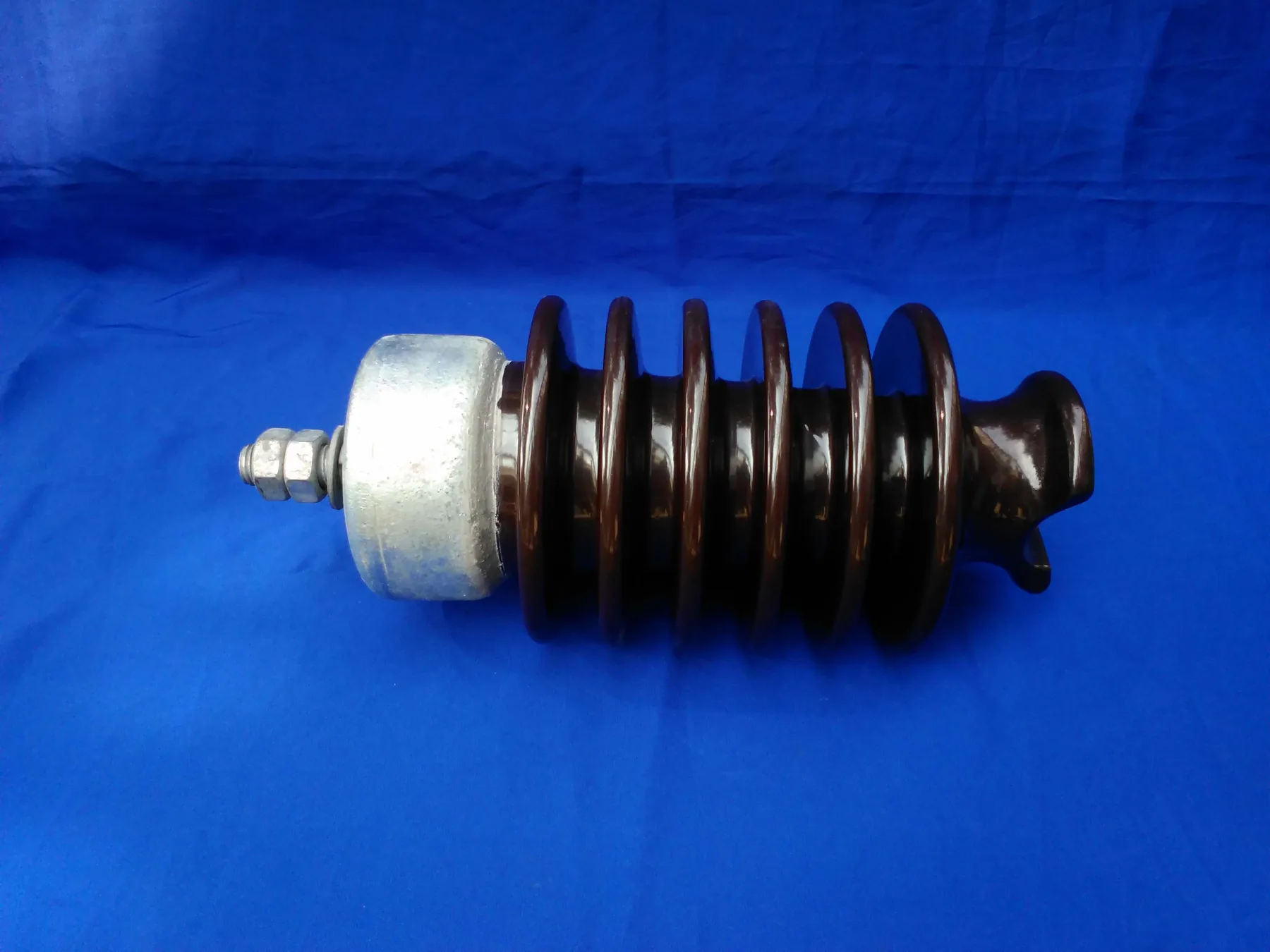
Line Post Insulators ANSI 57-2
ANSI 57-2 Line Post for 35 kV Class Distribution
ANSI 57-2 is the 12 inch porcelain line post for 35 kV class construction: 152 mm shed diameter, 305 mm height, 559 mm leakage distance and a 2,800 pound (12.5 kN) cantilever strength, weighing 8.16 kg. It shares the cantilever rating of the taller 57-3 post while taking less space on the crossarm, which makes it the usual choice for 33 kV and 35 kV distribution.
Key Benefits
- 559 mm leakage distance in a 305 mm tall post
- 12.5 kN cantilever strength, same as the larger 57-3
- 8.16 kg per unit, lighter to handle at height
- 180 kV positive critical impulse flashover voltage
Technical Features
- 152 mm shed diameter, 305 mm height, 241 mm dry arcing distance
- 35 kV typical application voltage
- 110 kV low-frequency dry and 85 kV wet flashover voltage
- 100 uV maximum RIV at 1000 kHz with 22 kV test voltage to ground
Published Figures for This Design
The values below are the catalogued figures for this type. Where a figure your specification needs is not listed, ask and we will confirm it in writing rather than estimate it.
| Available Colors | Grey, Brown |
|---|---|
| Diameter (D) | 6Inches(152mm) |
| Height (H) | 12Inches(305mm) |
| Leakage Distance | 22Inches(559mm) |
| Dry Arcing Distance | 9 1/2Inches(241mm) |
| Net Weight Each | 18Pounds (8.16kg) |
| Cantilever Strength | 2,800Pounds(12.5kN) |
|---|
| Typical Application Voltage | 35kV |
|---|---|
| Low Frequency Dry Flashover Voltage | 110kV |
| Low Frequency Wet Flashover Voltage | 85kV |
| Critical Impulse Flashover Voltage, Positive | 180kV |
| Critical Impulse Flashover Voltage, Negative | 205kV |
| Test Voltage RMS to Ground | 22kV |
|---|---|
| Maximum RIV at 1000 kHz | 100μV |
Application Scenarios
- 33 kV and 35 kV distribution line construction
- Line angles where a pin type insulator would be overloaded
- Compact crossarm designs carrying three phases
Who It Is For
- Distribution utilities standardising 35 kV construction
- Pole line contractors
- Distributors supplying ANSI specified line hardware
Problems It Solves
- Pin type insulators overloaded at line angles
- Crossarms too short to space three posts of the larger size
- Inconsistent leakage distance across a network
How This Design Differs From the Alternatives
Compared With ANSI 57-3
Same 12.5 kN cantilever rating in a shorter post, with 559 mm leakage against 737 mm; the choice is driven by system voltage and pollution class.
Compared With ANSI 55-5 pin type
A bolted post with more than four times the leakage distance, for lines that have outgrown 15 kV pin construction.
Specifying and Installing This Unit
- Check the transverse load at the conductor position against 12.5 kN
- Confirm crossarm spacing allows the 152 mm shed diameter plus clearance
- Use the wet flashover figure of 85 kV as the design reference for exposed lines
- Specify glaze colour on the order
Questions About This Product
Can 57-2 be used at 45 kV?
Its typical application voltage is 35 kV. For 45 kV class construction the 57-3 post with 737 mm of leakage is the catalogued unit.
What is the difference in weight?
8.16 kg against 11.1 kg for the 57-3, which matters when crews are setting posts by hand at height.
Does it come with the base fitting?
Metal fittings are assembled to the porcelain. Send your crossarm drawing and we will confirm the arrangement before you order.
How many can we fit on a standard crossarm?
That depends on your phase spacing rule and the 152 mm shed diameter. Give us the crossarm length and phase spacing and we will check it with you.
What RIV level should we expect?
A maximum of 100 uV at 1000 kHz with a 22 kV RMS test voltage to ground, which is the figure to quote when telecommunications interference is a concern.
Other Designs Buyers Compare With This One
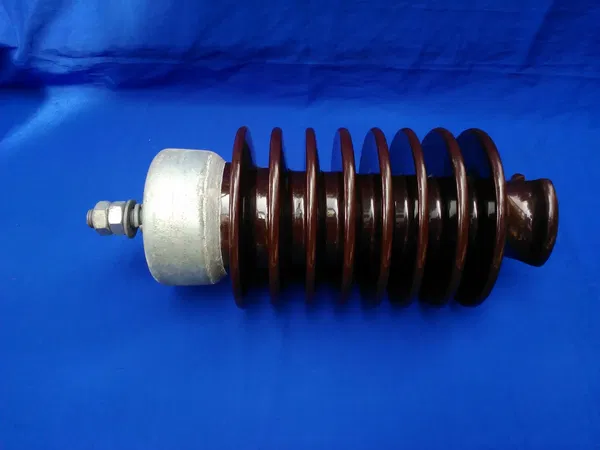
Line Post Insulators ANSI 57-3
ANSI 57-3 Line Post With 737 mm Leakage Distance
View specifications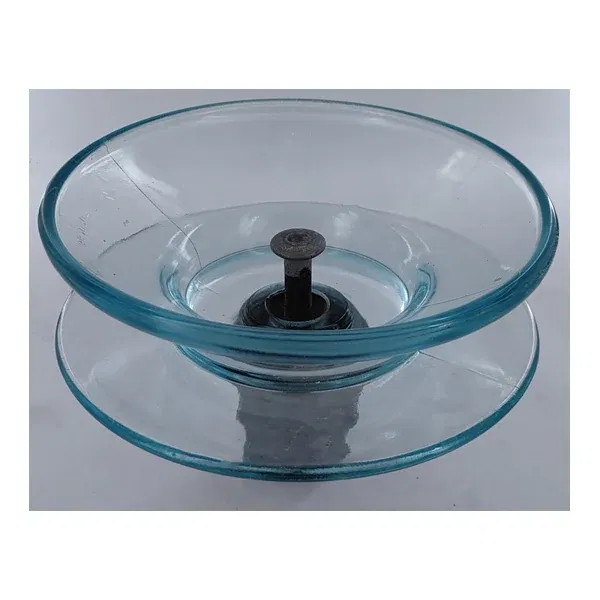
Double umbrella disk Suspension Insulators UG120B146/450D 16R
120 kN Double Umbrella Disc for Heavy Contamination
View specifications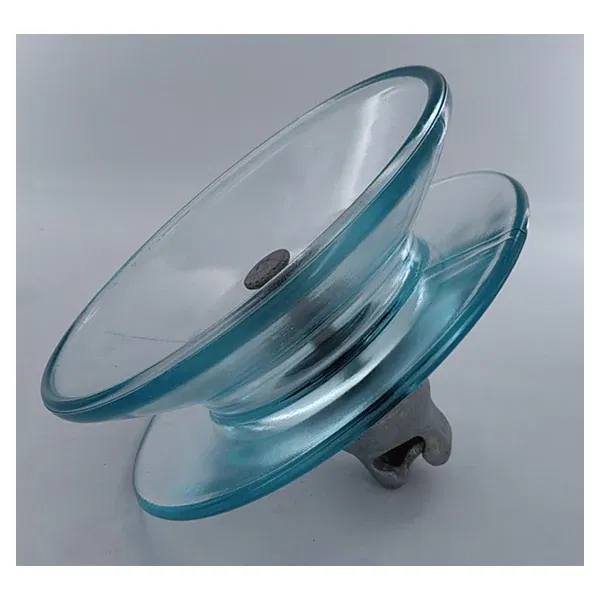
Double umbrella disk Suspension Insulators UG70B146/450D 16R
70 kN Double Umbrella Disc for Dust and Dew Conditions
View specificationsRelated Industries
Related Guides
Request A Quote for Line Post Insulators ANSI 57-2
Send the quantity, the destination port and the standard you buy against. Routine test records ship with the goods and type test reports are available on request.