

Quality control
How to judge frozen sweet corn at intake
You cannot see freezing speed on a certificate, but you can see its consequences in a thawed sample. These are the checks that separate genuinely fast-frozen corn from product that merely reached −18°C eventually.
Check it frozen, before anything else
Open the bag and pour. Individually quick-frozen pieces should move freely and separate. Pieces fused into a slab suggest either slow freezing or a temperature excursion somewhere in the chain — both of which mean the product partially thawed and refroze. Heavy ice glaze and frost inside the bag point the same way.
Thaw a weighed sample and measure the drip
The single most informative test: weigh a sample, thaw it under controlled conditions, drain and weigh again. Water that runs out was inside cells that ruptured during freezing. Large ice crystals tear cell walls; crystals under 100 microns do not. High drip loss is the measurable signature of a slow freeze, whatever the paperwork says.
Look at what is left
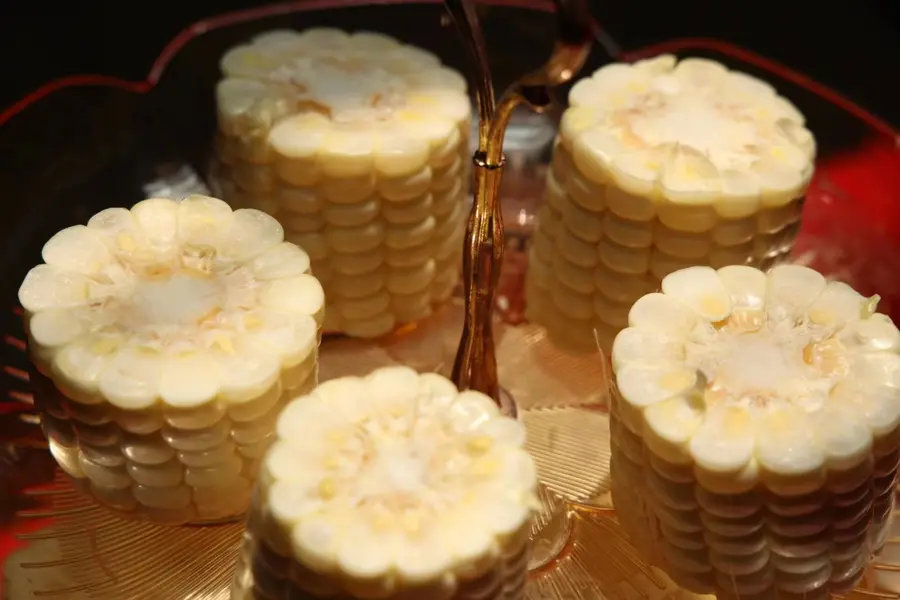
Thawed kernels should hold their shape and stand up rather than collapsing. Colour should be close to the fresh product — dullness and grey tones indicate cell damage and oxidation. On cob sections, examine the cut face: full rows that sit proud of the cut are a good sign; kernels shrunken back from the edge are not.
Then cook it the way your customer will
Run the sample through the actual process it will face — the hot line, the sauce, the holding tray. A kernel that behaves in a bowl can still release water into a sauce or flatten on a buffet within twenty minutes. That is the test that predicts complaints.
Frequently asked
What drip loss figure should we accept?
There is no universal number — it depends on cut, thaw method and how you measure. What matters is testing the same way each time so you can compare suppliers and lots against each other rather than against an abstract threshold.
Does a lot of ice in the bag always mean bad product?
Not always, but it always means moisture left the product and refroze, which normally indicates a temperature excursion. Combined with clumping, it is a strong signal the cold chain was broken.
Ready to source from Yuyuan?
Tell us your market and specification — we'll reply with samples, lead times and a quote.