
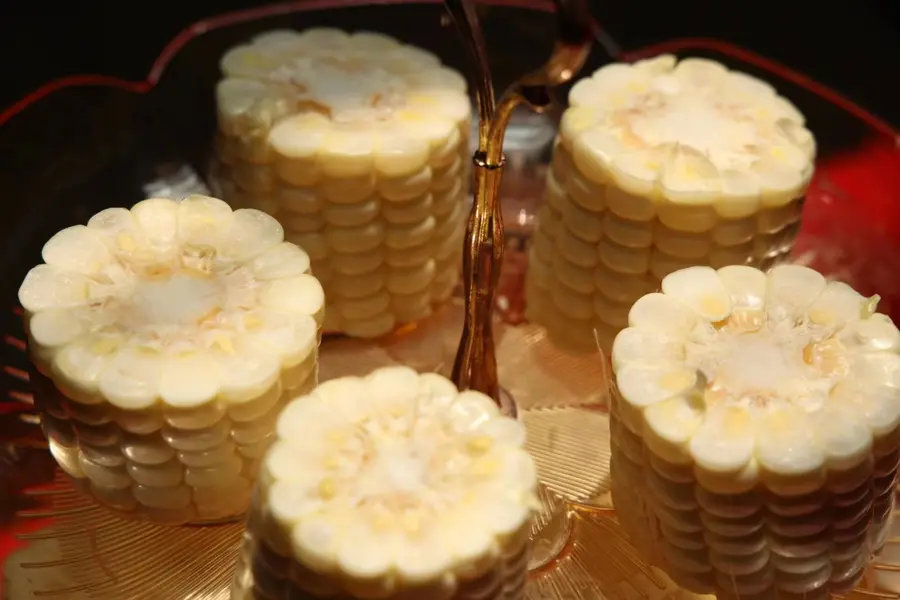
Round-cut, portion sized
IQF Sweet Corn Cob Sections
Corn on the cob sells because it looks like corn on the cob. Cut into rounds it keeps that recognisability while becoming…
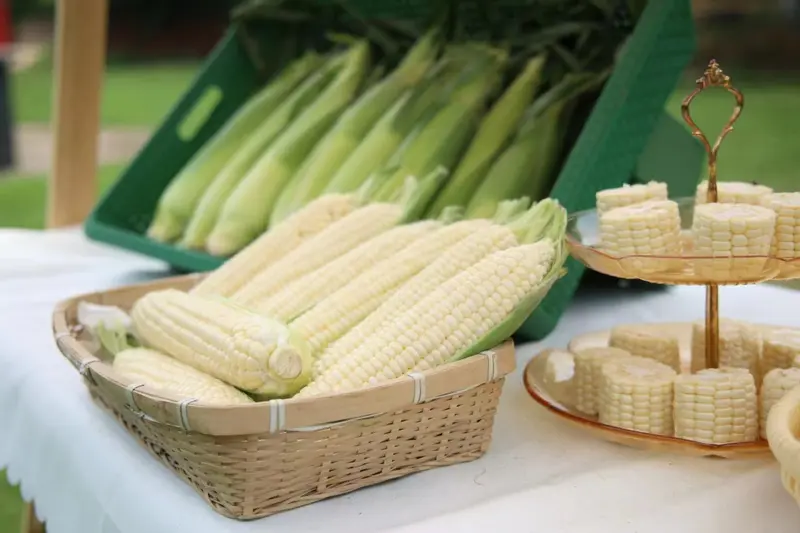
A kitchen does not buy corn. It buys a predictable number of portions per carton, delivered in a form a line cook can use under pressure without thinking about it.
Product frozen into a block has to be thawed whole and weighed by eye. Food cost per cover becomes an estimate.
Slow-frozen corn releases water as it heats. On a buffet holding tray, that turns a garnish into a puddle within the service.
Multi-site operations need the plate to look the same in every location, which a shifting supply base cannot deliver.
Cob sections and mini-cobs portion by the piece. One round per plate is a number your costing can rely on.
Flash-freezing at −35 to −40°C keeps ice crystals under 100 microns, so cell walls hold and the piece does not weep on the line.
Individually frozen pieces pour from the bag, so a partially used pack goes back to −18°C without a thaw-refreeze cycle.
These four things let us quote accurately on the first reply instead of trading questions for a week.
Cob sections hold their appearance longest on a holding tray because the piece carries more mass and loses heat more slowly. Mini-cobs work where the portion is smaller or the format is a snack.
Piece length and count are cut to order rather than to a fixed house standard, so a target count per carton can be quoted directly.
Corn on the cob sells because it looks like corn on the cob. Cut into rounds it keeps that recognisability while becoming…
The mini-cob exists for a specific commercial reason: it puts recognisable corn on the cob into a pack size and a price point…
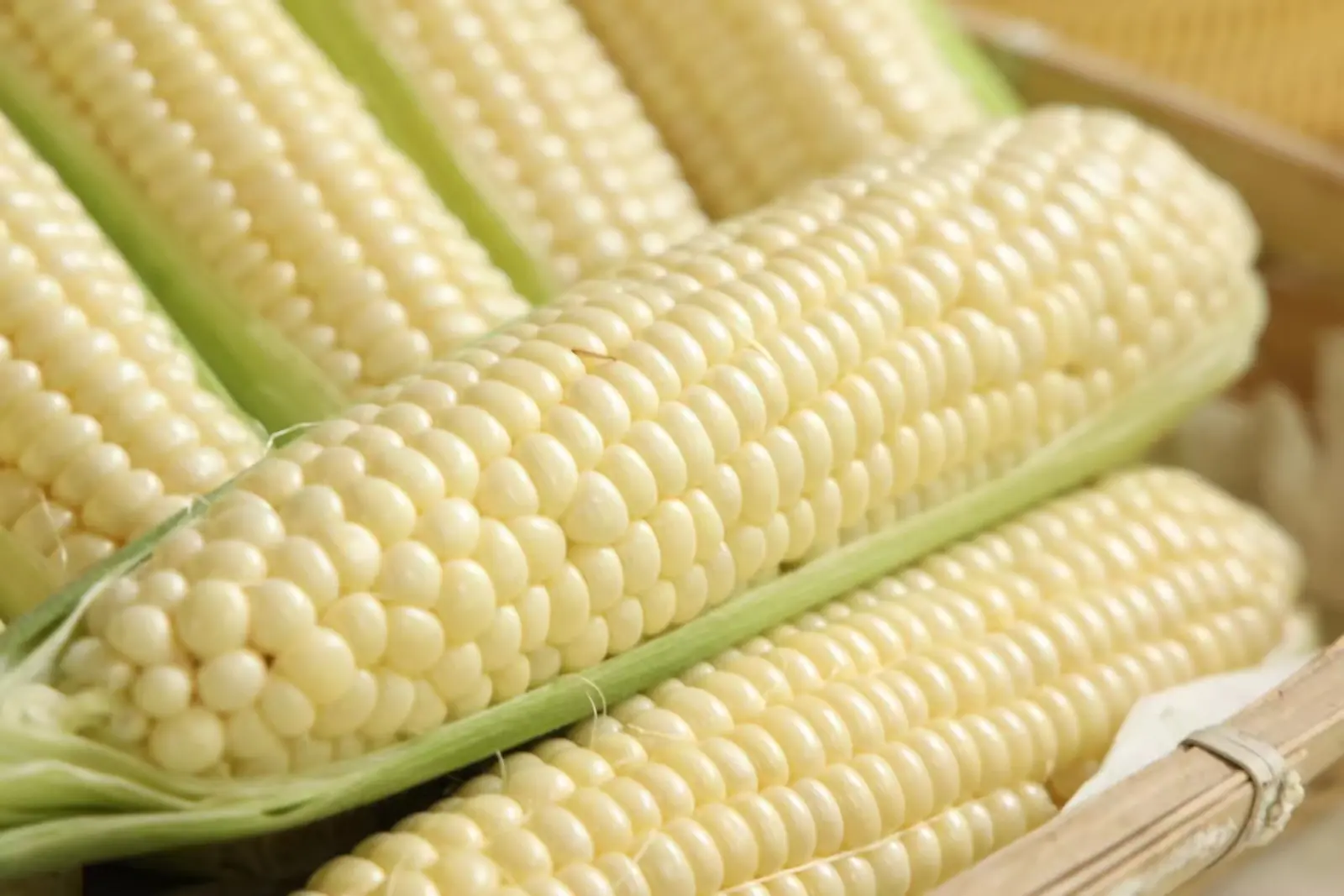
Kernels are the format that gets used, not admired. They go into a mix, a sauce, a ready meal, a salad bar — which means the only…
Tell us your market and specification — we'll reply with samples, lead times and a quote.