
Specification
Brix in sweet corn: what the number tells a buyer
Brix turns up in almost every sweet corn specification and is almost never explained. It is a useful number — but only if you know what it measures, when it was measured, and what it cannot tell you.
What the degree sign actually measures
Degrees Brix express the proportion of soluble solids in the juice — in sweet corn, overwhelmingly sugars. It is read with a refractometer from expressed juice, which makes it fast, cheap and repeatable at intake. It is a measure of sweetness potential, not of flavour: two corns at the same Brix can eat very differently depending on texture and starch.
Why the harvest clock matters more than the reading
Sugar in sweet corn starts converting to starch the moment the ear is cut. A Brix figure is therefore a statement about a moment, not a property of the product. The relevant question for a buyer is not only what the corn read, but how many hours passed between cutting and the measurement — and between cutting and the freezer.
Reading 18–24° in context
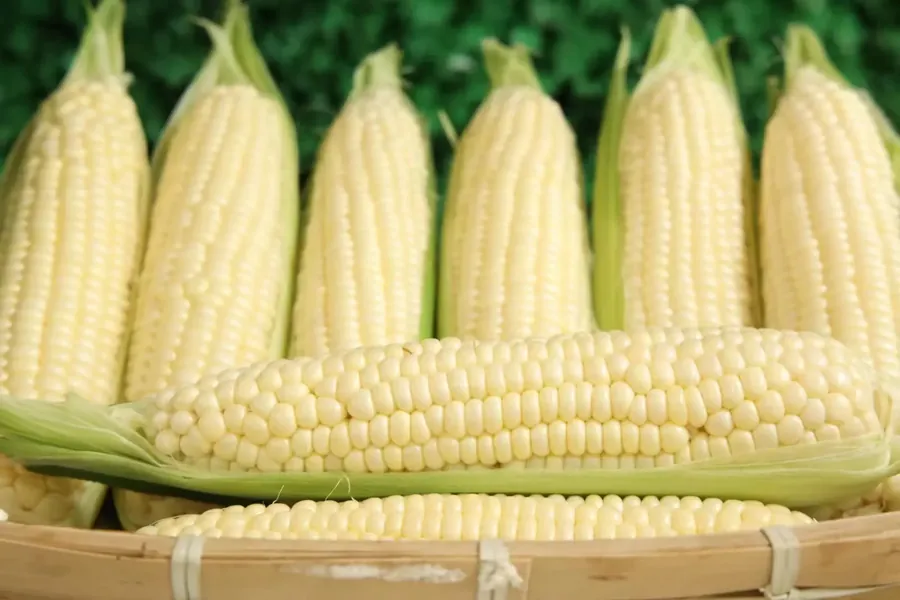
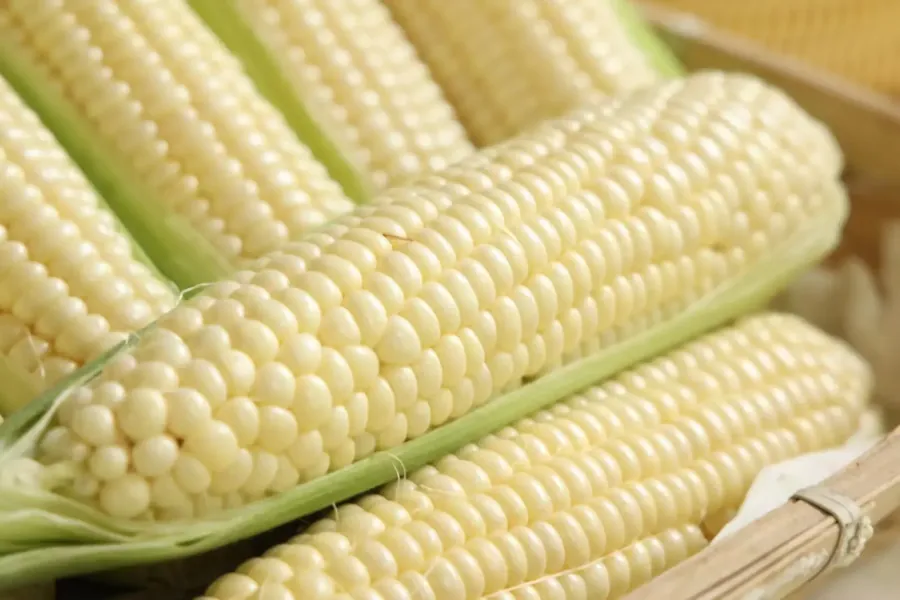
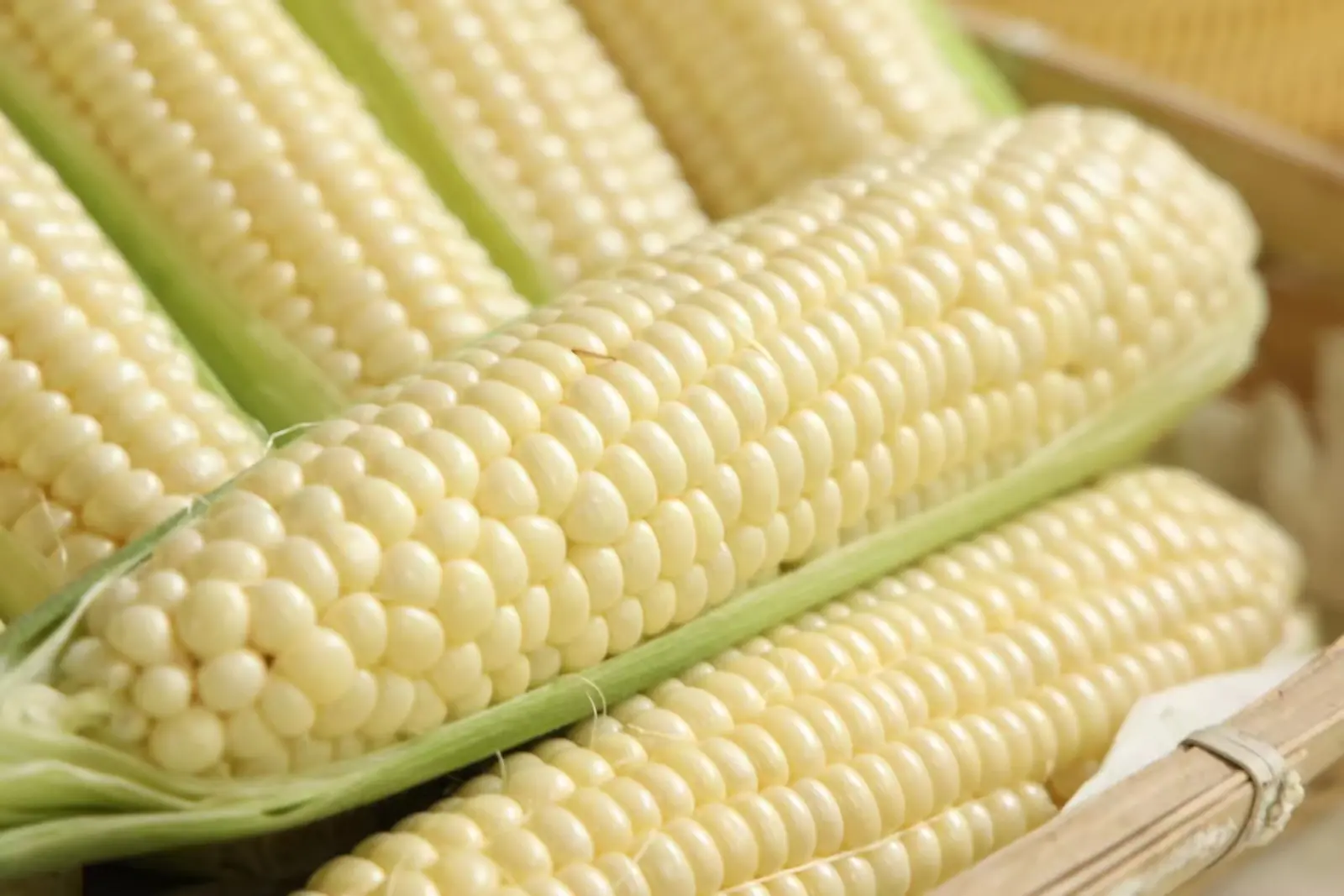
Pearl White is stated at 18–24° Brix, with water-soluble total sugar up to 34.95%. The range is not vagueness — it reflects real variation with season, growing conditions and where in the harvest window the ear was cut. A supplier quoting a single fixed figure for a natural crop is describing a target, not a measurement.
Using Brix in a specification without being misled
Specify the measurement point, not just the number: at harvest, at freezing, or on arrival. Pair it with the traits Brix cannot see — pericarp residue, crude starch, kernel colour — because a corn can meet a Brix line and still eat like a hull. And treat any figure as a range unless someone is prepared to test it lot by lot.
Frequently asked
Is higher Brix always better?
Up to a point. Past a certain level, what limits eating quality is no longer sugar but texture — pericarp thickness and starch content. That is why Pearl White is described by pericarp residue as low as 4.08% and low crude starch alongside its 18–24° Brix.
Does freezing change the Brix?
Freezing is used precisely to stop the sugar-to-starch conversion that would otherwise continue after harvest. That is why corn destined for IQF is flash-frozen within hours of picking.

Ready to source from Yuyuan?
Tell us your market and specification — we'll reply with samples, lead times and a quote.