Tungsten Carbide Ball
This is a tungsten carbide ball made from cemented carbide (WC-Co) for use in ball mills and industrial grinding applications. It is pressed on an imported press and sintered in a vacuum or hydrogen reduction furnace to achieve high…
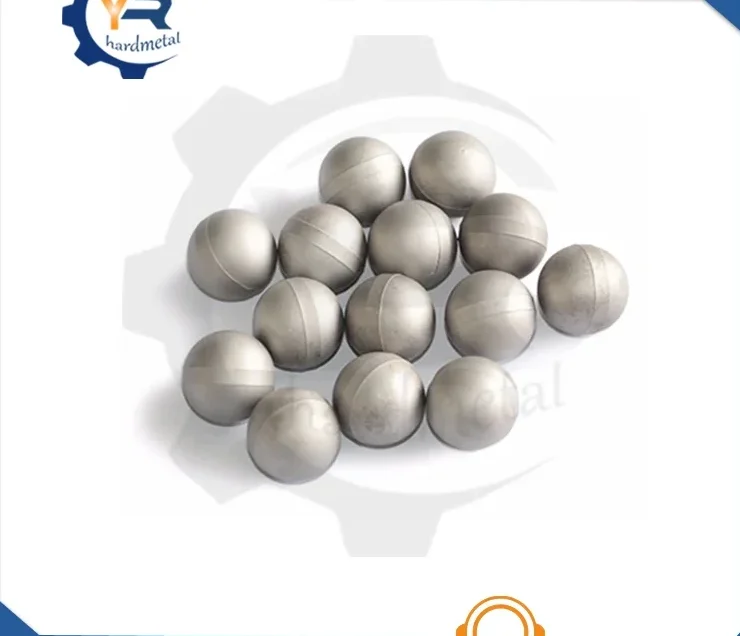
Product Overview
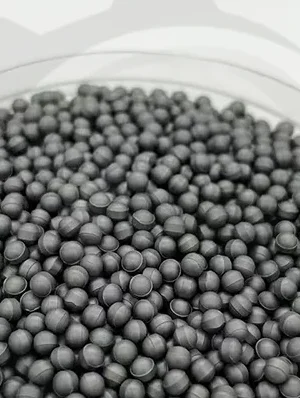
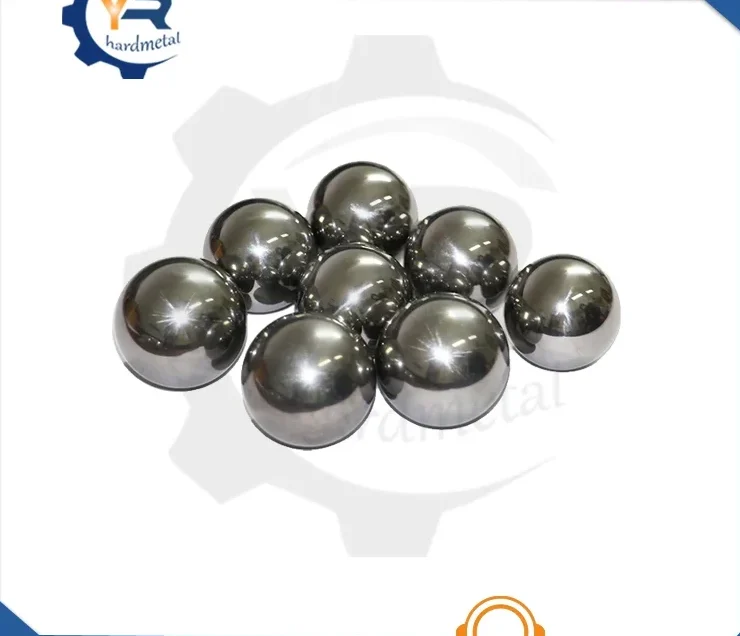
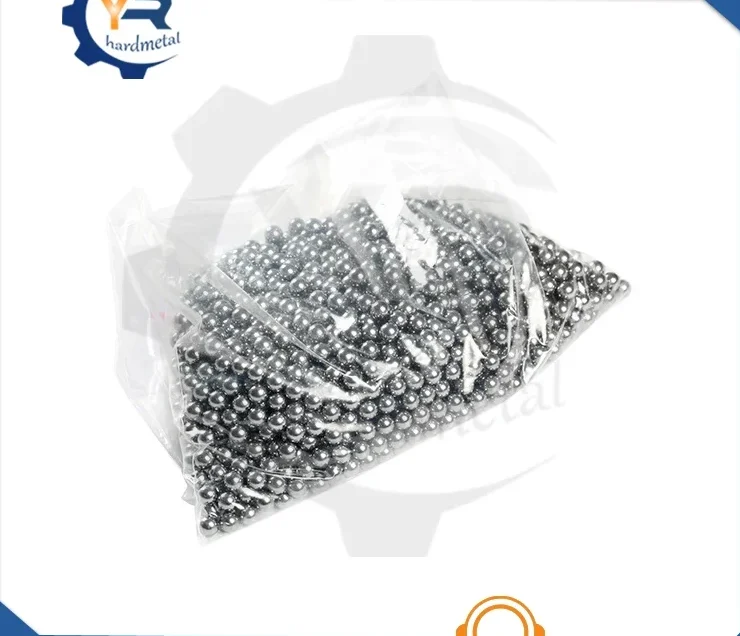
This is a tungsten carbide ball made from cemented carbide (WC-Co) for use in ball mills and industrial grinding applications. It is pressed on an imported press and sintered in a vacuum or hydrogen reduction furnace to achieve high density and structural stability. The ball is designed to withstand high wear, impact, and corrosive environments. It is available in standard sizes or made to customer drawings.
Key Benefits
- High hardness and wear resistance extend service life in abrasive grinding media
- Resists corrosion from strong acids, bases, and hydrocarbons in aggressive fluids
- Maintains hardness and mechanical properties up to 1000°C, suitable for high-temperature environments
- Reduces contamination in sensitive processes due to chemical stability and low reactivity
- Lower wear rate than steel or ceramic balls in high-load, high-speed grinding
- Available in stock or custom sizes with fast delivery for urgent needs
Technical Data
Values below come from the product data we publish. Anything not listed is confirmed against your drawing at quotation.
| Material | Cemented tungsten carbide (WC-Co) |
|---|---|
| Temperature Resistance | Maintains hardness up to 1000°C |
| Shape | Spherical |
| Finish | Unground or ground to customer specification |
| Dimensions | Standard sizes or to customer drawing |
| Lead Time | Stock items 3-5 days after payment; customised items quoted per order |
| Grades Available | YG6 YG6X YG8 YG8X YG10 YG12 YG15 YG15X YL10.2 YN6 YN9 |
Problems It Solves
- Steel grinding balls wear out quickly in abrasive or corrosive environments, increasing downtime and replacement costs
- Ceramic balls fracture under impact or pressure shock, leading to contamination and system failure
- Coated or plated balls degrade when the coating wears through, exposing the base metal to rapid erosion
- Low-density grinding media lose mass and efficiency over time, reducing grinding performance
- Inconsistent material properties lead to premature failure and unpredictable service life
Who It Is For
- Ball mill and bead mill operators needing long-life grinding media
- Petrochemical and chemical plant maintenance teams replacing corroded or worn grinding media
- Machinery manufacturers integrating wear-resistant balls into pumps, valves, and mixers
- Tool and die shops using carbide balls in precision instruments and bearing assemblies
- Research labs requiring corrosion-resistant, high-hardness balls for testing and processing
Application Scenarios
- Grinding media in ball mills for mineral processing and cement production
- High-wear applications in petrochemical and chemical processing where corrosion resistance is critical
- Precision grinding in laboratories using hydrochloric acid or other aggressive reagents
- Industrial mixing and blending where high crushing and mixing power is required
- Wear-prone components in pumps, valves, and mechanical accessories exposed to abrasive slurries
Technical Features
- Pressed on an imported press for consistent green density and shape
- Sintered in vacuum or hydrogen reduction furnace to achieve high density and structural integrity
- Available in multiple grades including YG6 YG8 YG15 YL10.2 YN6 YN9, selected for hardness, toughness and wear resistance
- High hardness maintained up to 1000°C, suitable for high-temperature industrial processes
- Chemically stable in strong acids, bases, and hydrocarbons, reducing chemical attack
- Regular spherical geometry with minimal dimensional variation from press and sinter process
Materials and Grades
- WC-Co cemented carbide with cobalt as binder, selected for balance of hardness and toughness
- Lower cobalt grades such as YG6 for maximum wear resistance in clean abrasive environments
- Higher cobalt grades such as YG15 for improved toughness and impact resistance in high-stress applications
- Yn6 and Yn9 grades for enhanced corrosion resistance in aggressive chemical environments
Customisation Options
- Manufactured to customer drawings including non-standard sizes and special shapes
- Grade selected based on service conditions such as abrasion, impact, and chemical exposure
- Samples produced for pre-testing before bulk order release
- Unground or ground finish as required
- Multiple balls per order with consistent size and hardness
How This Part Is Made
Drawing or specification review
Powder blending with WC and Co/Ni/Mo binders
Pressing on imported press to form green ball
Sintering in vacuum or hydrogen reduction furnace
Grinding or polishing to final dimensions if required
Dimensional and physical property inspection
Packing and shipping
Quality Control
- Physical properties, shape and tolerance are checked before shipping
- Every order is tested before bulk production is released
- Inspection photographs of the finished order are sent for confirmation before delivery
Use Guide
- Send the operating conditions including fluid type, solids content, temperature, and pressure cycle to select the best grade
- Use lower cobalt grades like YG6 for clean abrasive service; higher cobalt grades like YG15 for impact-heavy or shock-prone applications
- Order samples for pre-testing to verify performance before committing to bulk production
- Ensure the ball mill or grinding system is designed to handle the higher density of carbide balls
- Avoid sudden thermal shock by allowing the system to warm up gradually when starting
How It Compares With The Alternatives
| Alternative | Trade-off |
|---|---|
| Steel grinding ball | Steel is cheaper but wears out faster in abrasive or corrosive environments, leading to higher long-term cost and more frequent replacement |
| Ceramic ball | Ceramic matches carbide on hardness and chemical resistance but is more brittle under impact; carbide tolerates shock better in high-speed grinding |
| Coated ball | A coating wears through and exposes the base metal, which then erodes quickly; solid carbide wears uniformly through its entire cross-section |
Tungsten Carbide Ball FAQ
Are you a trade company or a manufacturer?
A manufacturer. The company has produced tungsten carbide parts for over 15 years and takes on design and processing of carbide products with technical support.
Where is your factory located?
Zhuzhou City, Hunan Province, China, which is the country's tungsten carbide production base.
Can you produce the products according to my own drawing?
Yes. OEM and ODM to customer drawings is standard for this product, including non-standard sizes and specially shaped balls.
Can I get a sample before placing a bulk order?
Yes. Samples are available for pre-testing. Send the drawing and service conditions and a sample can be quoted.
How long does an order take?
Stock items are shipped 3-5 days after payment is received. Customised items are given a delivery time in the quotation.
How do I know the parts were checked before they shipped?
Physical properties, shape and tolerance are inspected before shipping, and detailed inspection photographs of the order are sent for confirmation before delivery.
Which grade should I choose?
It depends on the service conditions. Lower cobalt grades such as YG6 offer better wear resistance in clean abrasive environments; higher cobalt grades such as YG15 offer better toughness under impact. Send the operating conditions and a grade will be recommended.
Related Products
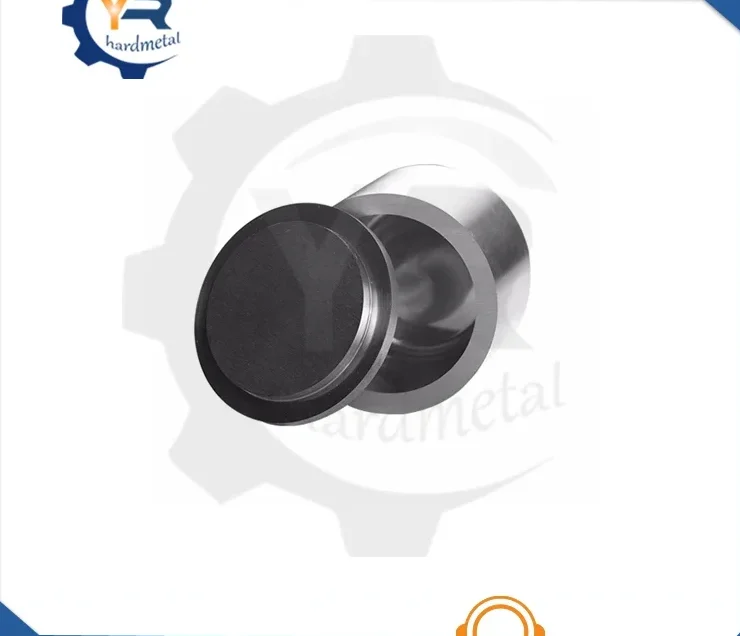
Tungsten Carbide Grinding Jar
This is a tungsten carbide grinding jar for ball mills used in dry or wet grinding. It is made…
View Details →Tungsten Carbide Unground Ball
This is a tungsten carbide unground ball used in planetary ball mills for mixing, grinding,…
View Details →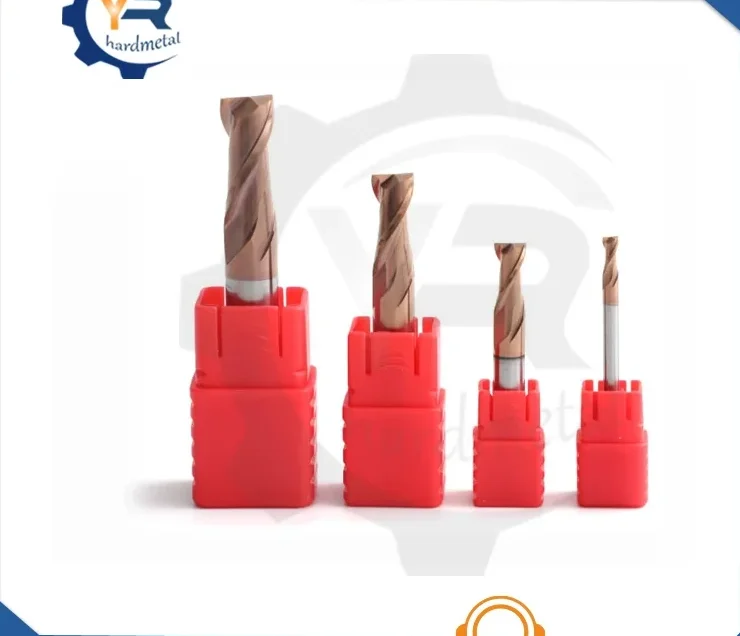
Solid Carbide Hrc 55 2f End Mill
This is a solid tungsten carbide end mill with a hardness of HRC 55, designed for high-speed…
View Details →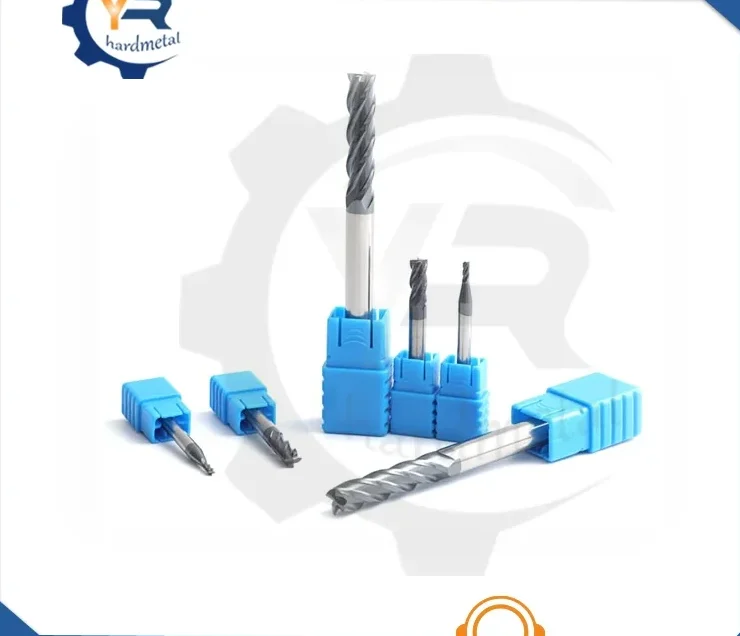
Solid Carbide Hrc 45 4f Endmill
This is a solid tungsten carbide endmill with HRC 45 hardness, designed for high-speed milling…
View Details →Get A Price For Tungsten Carbide Ball
Send the drawing or the dimensions plus what the part runs against. Samples are available for pre-testing before a bulk order.