Tungsten Carbide Nozzle for 3D Printer
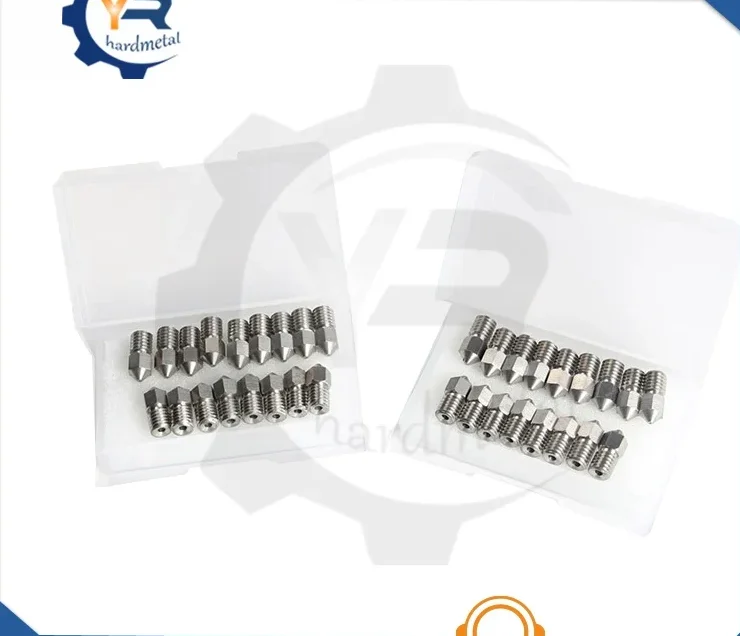
This is a tungsten carbide nozzle designed for use in 3D printers. It is made from a high-density WC-Co composite with nickel and iron additives. The nozzle is pressed and sintered to maintain dimensional stability and high hardness. It…
Product Overview
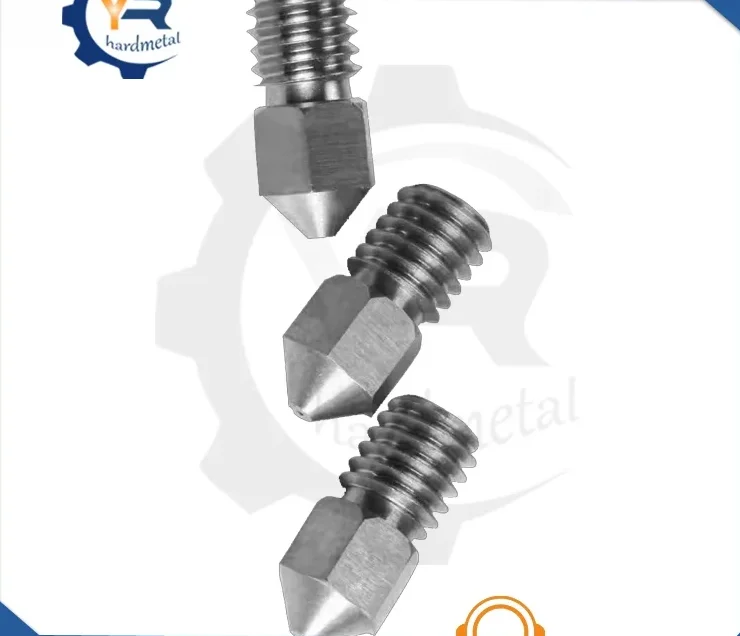
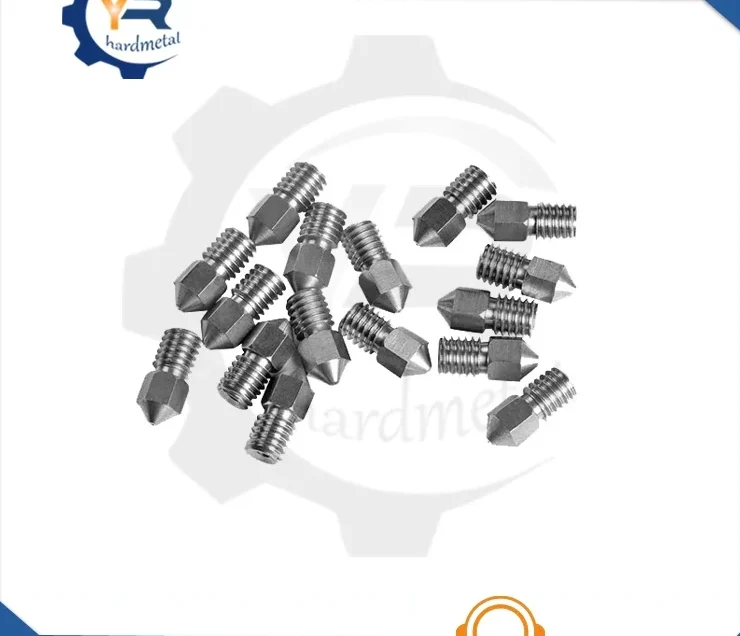
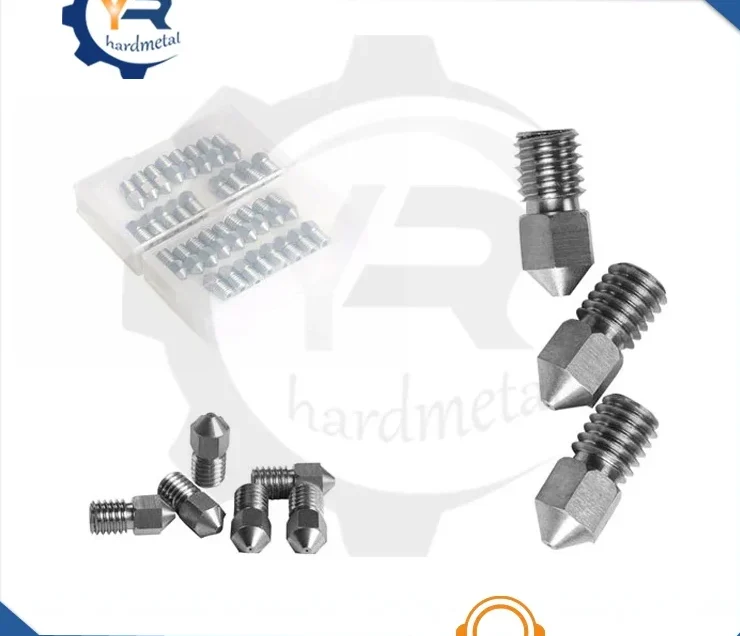
This is a tungsten carbide nozzle designed for use in 3D printers. It is made from a high-density WC-Co composite with nickel and iron additives. The nozzle is pressed and sintered to maintain dimensional stability and high hardness. It is suitable for continuous extrusion of abrasive or high-temperature filaments. It is available in standard sizes or customised to drawing.
Key Benefits
- High hardness and wear resistance extend nozzle life in abrasive filament printing
- High thermal conductivity dissipates heat quickly, reducing thermal stress
- Small coefficient of thermal expansion maintains tight tolerances during thermal cycling
- High density (16.5–18.5 g/cm³) improves structural integrity and resistance to deformation
- Good electrical conductivity and weldability allow for integration into custom tooling systems
Technical Data
Values below come from the product data we publish. Anything not listed is confirmed against your drawing at quotation.
| Material | Tungsten carbide (97% WC, +2.1% Ni, +0.9% Fe) |
|---|---|
| Grades Available | YG6X and equivalents |
| Outer Diameter | 0.2 mm, 0.4 mm, 0.6 mm, 0.8 mm, and other sizes |
| Length | 14 mm standard, custom lengths available |
| Density | 16.5–18.50 g/cm³ |
| Hardness | 84–93 HRA |
| Tensile Strength | 700–1000 MPa |
| Thermal Conductivity | 5 times that of steel |
| Coefficient of Thermal Expansion | 1/2 to 1/3 of iron or steel |
| Finish | Ground to drawing |
| Dimensions | To customer drawing |
| Lead Time | Stock items 3-5 days after payment; customised items quoted per order |
Problems It Solves
- Standard metal nozzles wear out quickly when printing with abrasive filaments, leading to clogging and inconsistent extrusion
- Thermal expansion in metal nozzles causes dimensional drift during printing, affecting print accuracy
- Low thermal conductivity in standard nozzles leads to heat build-up and filament degradation
- Frequent nozzle replacement increases downtime and production cost
- Lack of custom internal geometry in off-the-shelf nozzles limits performance in specialised printing tasks
Who It Is For
- 3D printing hardware brands integrating high-performance nozzles into their systems
- Industrial and aerospace manufacturers using high-temperature or abrasive filaments
- Machinery and tool makers producing custom 3D printing components
- R&D labs testing new filament materials under high-wear conditions
- Manufacturers of multi-material 3D printers needing durable, long-life nozzles
Application Scenarios
- Continuous printing with carbon fibre or glass-filled filaments that abrade standard metal nozzles
- High-temperature printing with engineering thermoplastics like PEEK or PEI
- Industrial 3D printing lines requiring minimal downtime due to nozzle failure
- Prototyping and production environments where consistent print quality is critical
- Custom 3D printing setups requiring a nozzle with specific internal geometry
Technical Features
- Pressed and sintered from high-purity tungsten carbide with nickel and iron additives
- High density (16.5–18.5 g/cm³) ensures minimal porosity and structural strength
- High tensile strength (700–1000 MPa) resists mechanical failure under pressure
- Small coefficient of thermal expansion (1/2 to 1/3 of iron or steel) maintains dimensional stability
- High thermal conductivity (5 times that of steel) improves heat distribution
- High hardness (84–93 HRA) resists wear from abrasive materials
- Good electrical conductivity and workability allow for integration with custom systems
Materials and Grades
- Tungsten carbide matrix with 97% WC, 2.1% Ni, 0.9% Fe for enhanced sintering and wear resistance
- High-purity tungsten raw materials used in production
- Nickel and iron additives improve densification and mechanical strength
- Grade YG6X selected for balance of hardness and toughness in high-wear applications
Customisation Options
- Manufactured to customer drawings including non-standard and specially shaped nozzles
- Internal geometry and outer diameter adjusted to match specific printer requirements
- Grade changed to suit filament type and operating temperature
- Samples produced for pre-testing before bulk release
How This Part Is Made
Drawing review and material selection
Powder blending with high-purity WC, Ni, and Fe
Pressing on imported press for consistent green density
Over-pressure sintering to achieve high density and closed porosity
Grinding to final dimensions and internal geometry
Dimensional and physical property inspection
Packing and shipping
Quality Control
- Physical properties, shape and tolerance are checked before shipping
- Every order is tested before bulk production is released
- Inspection photographs of the finished order are sent for confirmation before delivery
Use Guide
- Send the filament type, operating temperature, and required nozzle geometry for grade and size selection
- Use a sample to test extrusion consistency and wear resistance before bulk order
- Avoid sudden temperature changes; allow the nozzle to equalise before starting print
- Clean the nozzle regularly to prevent filament residue build-up in the throat
- Keep one sample from the first batch for comparison when measuring wear in future orders
How It Compares With The Alternatives
| Alternative | Trade-off |
|---|---|
| Steel nozzle | Steel is cheaper and easier to machine but wears rapidly with abrasive filaments, leading to clogging and inconsistent print quality |
| Ceramic nozzle | Ceramic has higher hardness but is brittle and prone to cracking under thermal or mechanical shock; carbide tolerates thermal cycling better |
| Standard tungsten carbide nozzle | This version has added nickel and iron for improved sintering and strength; standard grades may not achieve the same density or toughness |
Tungsten Carbide Nozzle for 3D Printer FAQ
Are you a trade company or a manufacturer?
A manufacturer. The company has produced tungsten carbide parts for over 15 years and takes on design and processing of carbide products with technical support.
Where is your factory located?
Zhuzhou City, Hunan Province, China, which is the country's tungsten carbide production base.
Can you produce the products according to my own drawing?
Yes. OEM and ODM to customer drawings is standard. We can produce nozzles with custom internal geometry and dimensions.
Can I get a sample before placing a bulk order?
Yes. Samples are available for pre-testing. Send the drawing and operating conditions and a sample can be quoted.
How long does an order take?
Stock items are shipped 3-5 days after payment is received. Customised items are given a delivery time in the quotation.
How do I know the parts were checked before they shipped?
Physical properties, shape and tolerance are inspected before shipping, and detailed inspection photographs of the order are sent for confirmation before delivery.
Which grade should I choose?
YG6X is used for high wear resistance. The grade is selected based on filament type and operating conditions. Send the service details and a grade will be recommended.
Related Products
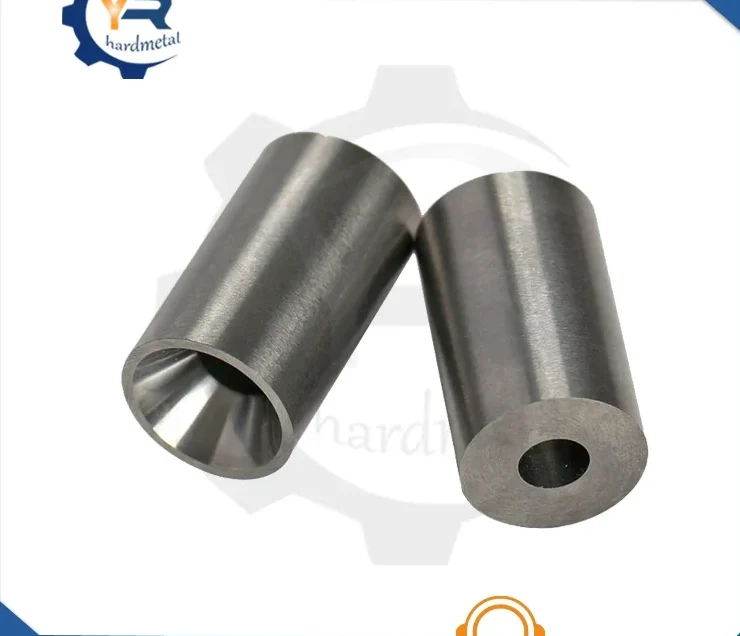
Tungsten Carbide Nozzle/Carbide Blast Nozzle
This is a tungsten carbide nozzle designed for high-speed abrasive and corrosive environments.…
View Details →Tungsten Carbide 3d Printer Nozzle
This is a tungsten carbide nozzle designed for use in 3D printing systems. It is made from a…
View Details →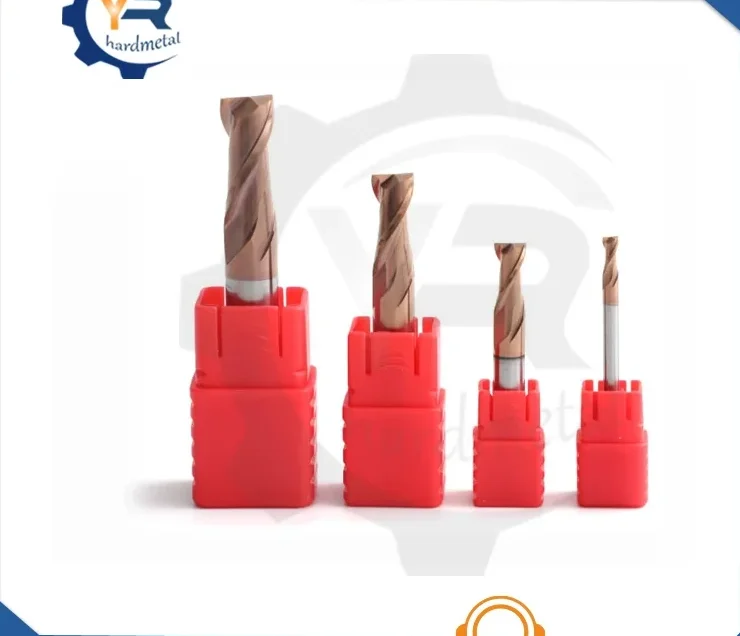
Solid Carbide Hrc 55 2f End Mill
This is a solid tungsten carbide end mill with a hardness of HRC 55, designed for high-speed…
View Details →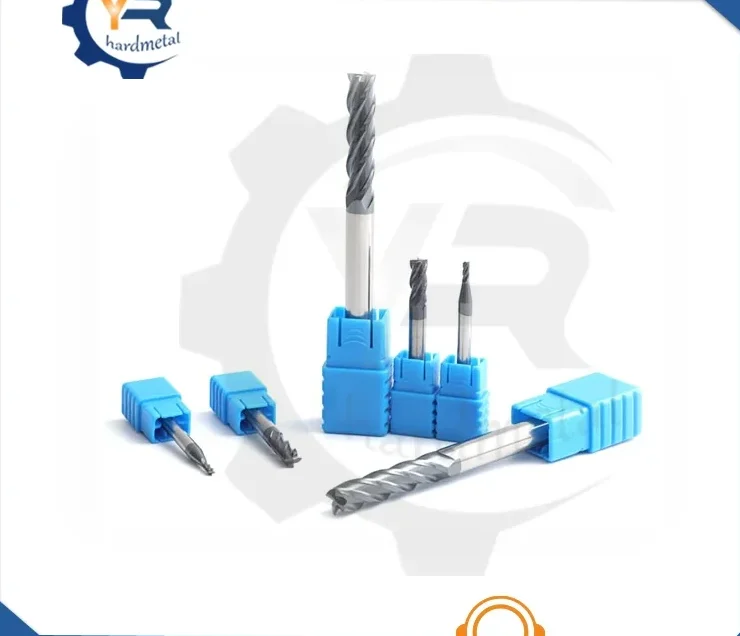
Solid Carbide Hrc 45 4f Endmill
This is a solid tungsten carbide endmill with HRC 45 hardness, designed for high-speed milling…
View Details →Get A Price For Tungsten Carbide Nozzle for 3D Printer
Send the drawing or the dimensions plus what the part runs against. Samples are available for pre-testing before a bulk order.