What Changes Between The Two
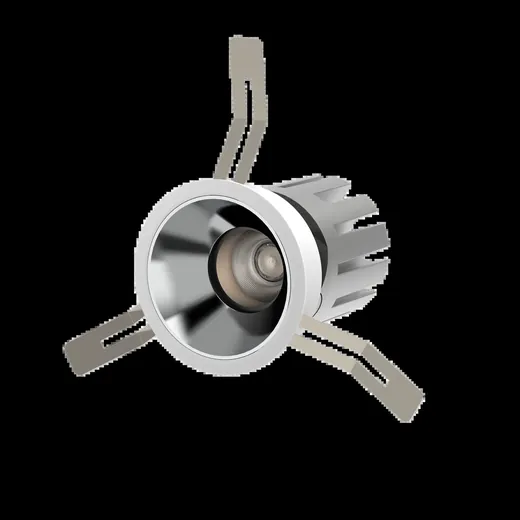
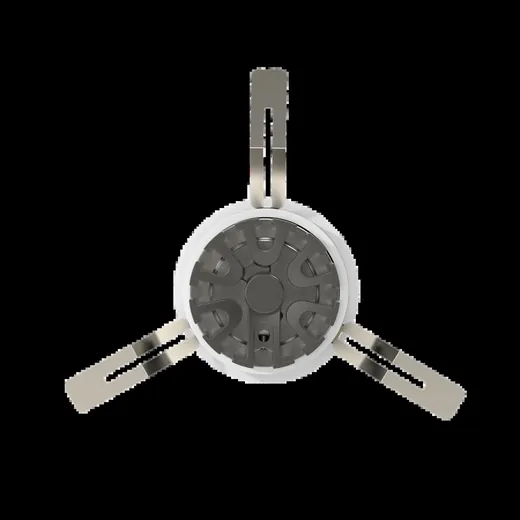
A bordered fitting has a visible ring or square trim that sits on the ceiling surface and covers the edge of the cut. A trimless fitting is set before the plaster and the ceiling closes flush against the aperture, leaving nothing visible but a dark opening.
Optically they can be identical. The difference is entirely in the ceiling detail and in who does the work.
Installation Sequence Is The Real Cost
Bordered fittings go in at second fix, after the ceiling is finished and painted. If something is wrong, the trim covers it.
Trimless fittings have to be positioned during first fix and plastered in. That means the lighting layout must be final before the ceiling is skimmed, and it means a plasterer has to work around them carefully. Getting the sequence wrong is expensive.
Where Trimless Earns Its Keep
Flagship retail, boutique hotels, galleries and high-end residential - anywhere the ceiling is a designed surface rather than a service zone.
In the catalogue the Round Borderless Series and the trimless square grille models cover this, mirroring the bordered cutout sizes so both can appear in the same project.
Where Bordered Is The Right Answer
Refurbishments with imperfect ceilings, retail retrofits replacing older fittings, back of house, plant rooms and anywhere the fitting may need to be pulled and re-seated.
A visible trim is also the pragmatic choice when the ceiling is cut on site by a contractor working to a tight programme.
Running Both In One Building
Because the two families share cutout sizes, a project can specify trimless in the public areas and bordered in the service areas without introducing a second hole size. The ceiling contractor cuts one dimension; the lighting schedule decides which version goes where.