Confirm You Are Talking To The Factory
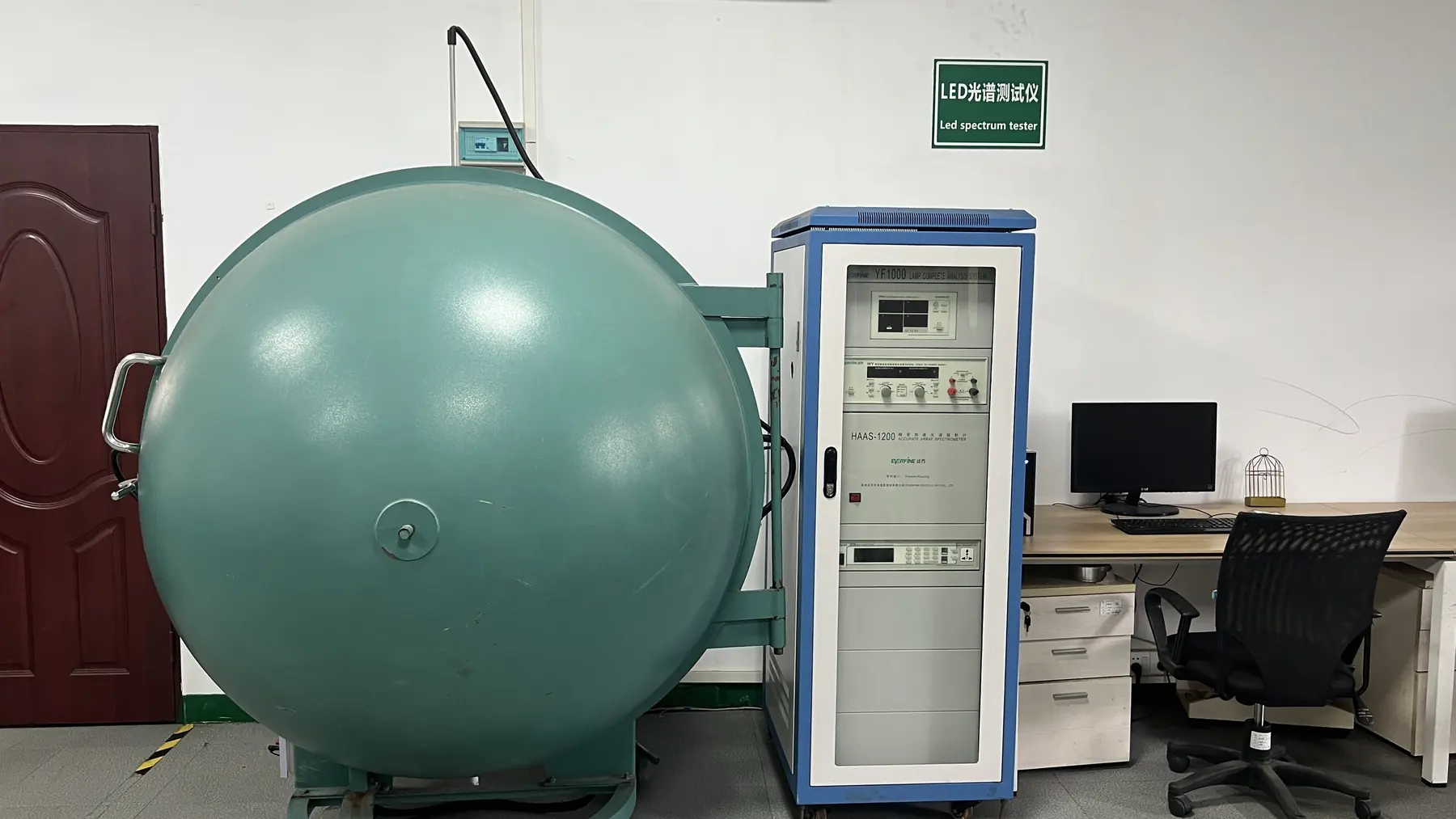
The first question is whether the company actually makes anything. Ask what happens inside the building: is the housing cast there, is the product assembled there, is there a laboratory on site?
YiYo Lighting is the original manufacturer of its own designed products, with a die-casting workshop and a lighting laboratory in a 3000 m² facility in Jiangmen, Guangdong, operating since 2009.
Start From Existing Tooling
New tooling is the largest single cost in a lighting project and the longest lead time. Before committing to a new die, check whether an existing model already meets the brief with a different finish, beam angle or trim.
With 70 catalogue models across four families, most requirements can be met from existing tooling, which turns a tooling project into a specification exercise.
Fix The Specification In Writing
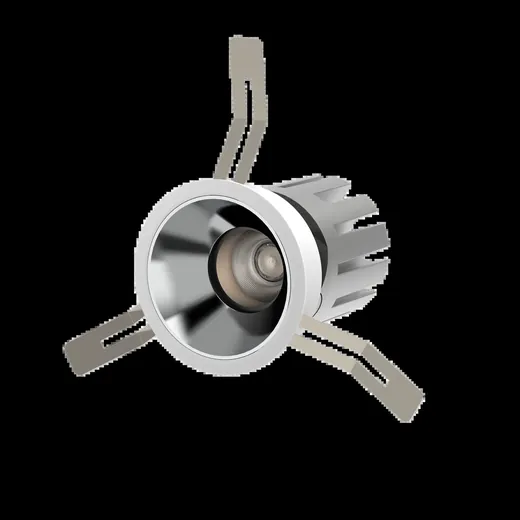
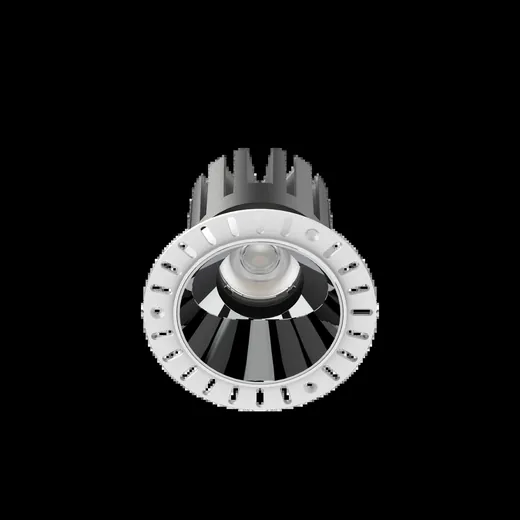
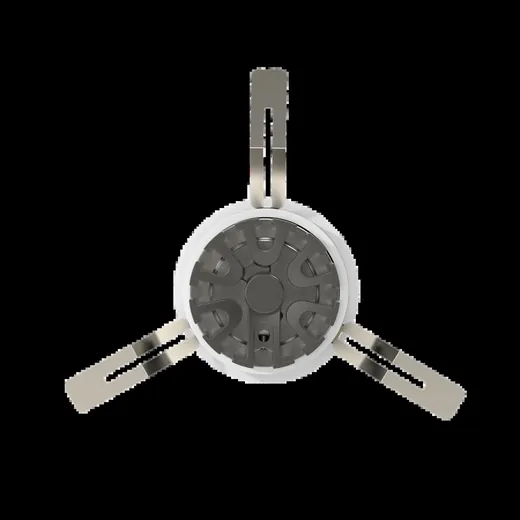
For each model line, record power, beam angle, reflector finish, body colour, trim type and cutout. These six fields are what drift between a sample and a production run.
A written specification is also what makes a repeat order match the first one, which matters enormously for a chain rollout.
Ask How Samples Are Made
A hand-built sample proves nothing about production. Ask whether samples come from production tooling and the normal assembly process.
If the sample is special, the production units will be a surprise.
Plan Spares At The Same Time
Order spares in the original finishes at the time of the first order. Reflector coatings and body colours are the details that are hardest to match years later, and a single replaced fitting in a slightly different white is visible from across the room.
Questions Worth Asking
Who owns the tooling. What is inside the factory. Can I have the model sheet with cutout, depth, power and beam angle. What finishes are available. Can the carton and manual carry my brand. What happens if the second order does not match the first.