
How to Choose the Right Solar Street Light for Your Project
Ten selection criteria buyers importers and contractors use before ordering solar street lighting, from lumen targets and battery chemistry to pole height and lighting simulation.
Start With the Project Not the Product
Before choosing a solar street light, settle three questions: where the lights will be installed, what the lighting is for, and how large the area to be illuminated is. An urban road, a parking lot, a rural village, a highway and a garden all pull the specification in different directions. For wide or high traffic areas, choose high lumen units with wide beam angles.
Select on Lumens Not Watts
Unlike traditional lighting, solar LED street lights should be selected on lumens rather than wattage. As a working guide, 2000 to 3000 lumens suits pathways and gardens, 3000 to 6000 lumens suits residential streets and parking lots, and above 6000 lumens is the range for highways and industrial or commercial areas.
Check the Battery Type and Capacity
Battery quality is the most common failure point in a solar street lighting system. Look for lithium-ion or LiFePO4 cells, at least three days of backup for cloudy or rainy weather, and more than 2000 charge and discharge cycles. A battery that meets those three conditions is what makes the rest of the system last.
Choose High Efficiency Solar Panels
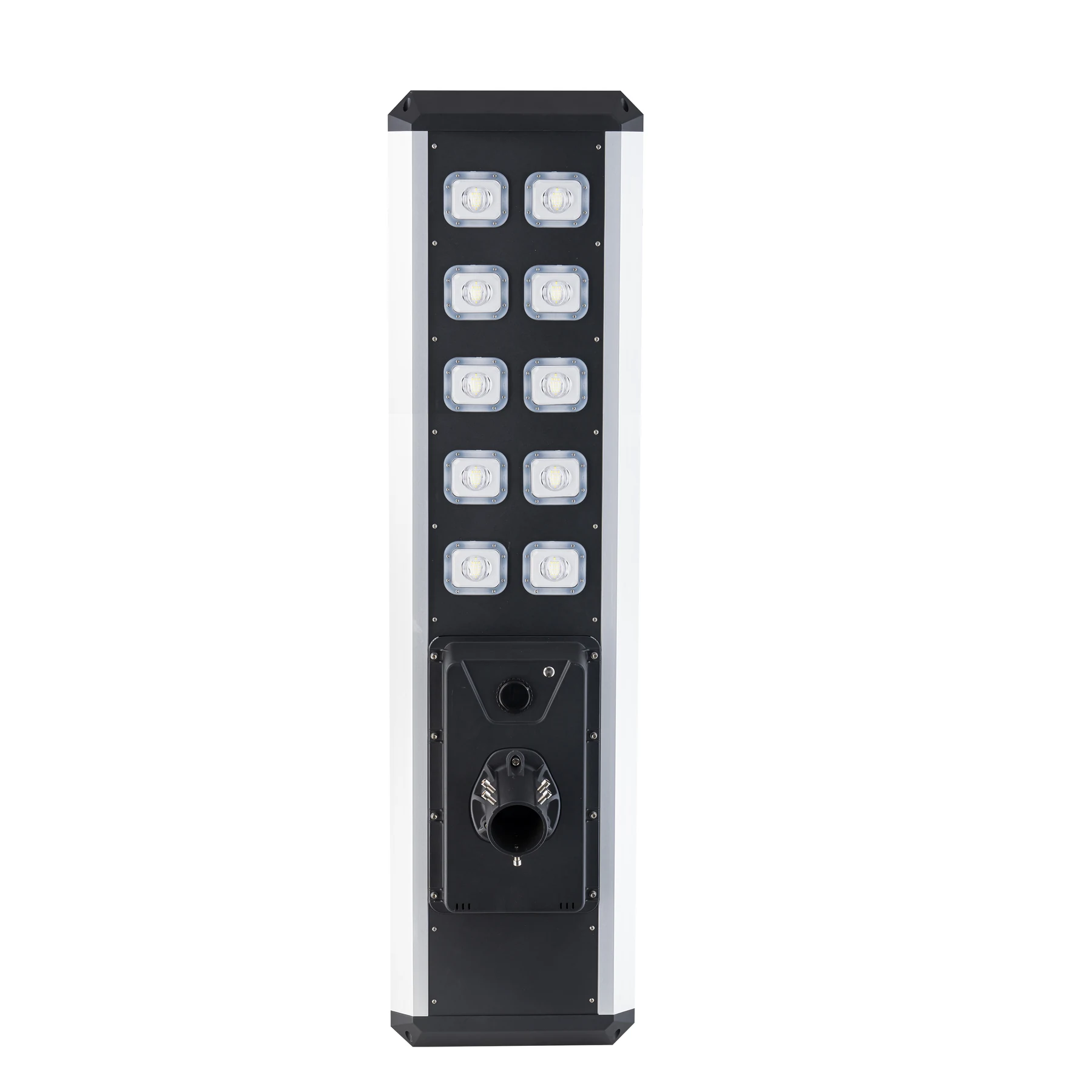
Specify monocrystalline panels for high conversion efficiency, a panel wattage matched to the battery size, and an MPPT controller to optimise charging. Efficient panels charge faster and keep performing in low light conditions, which is what protects autonomy through a bad week of weather.
All-in-One or Split Type
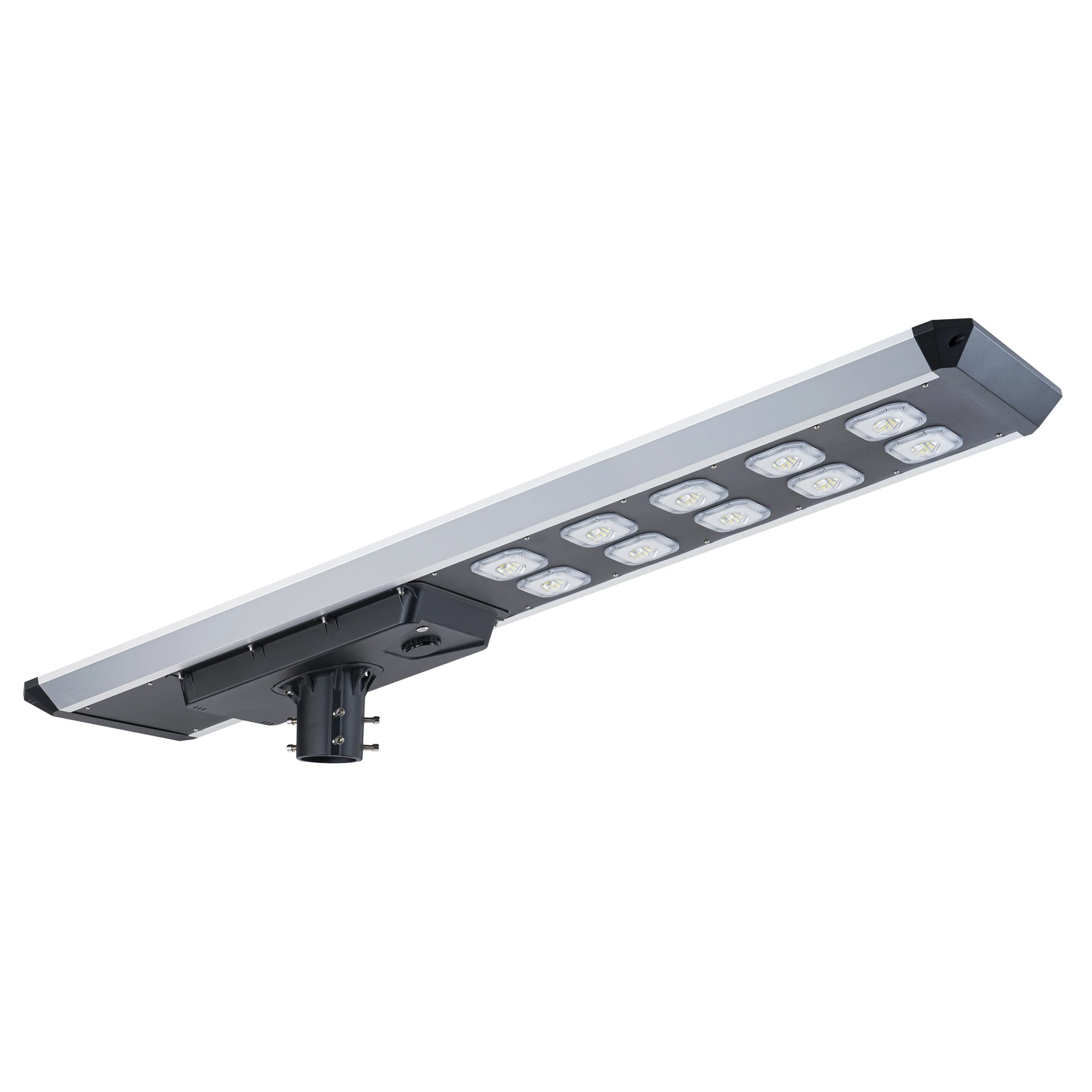
An all-in-one light integrates the LED, battery and panel in one body. It installs quickly and looks compact, which suits urban streets, residential areas and parks. A split type separates the panel from the luminaire, giving better heat management and customisable panel sizes, which suits industrial zones, large scale installations and custom projects.
Confirm the Waterproof and Weatherproof Rating
Look for an IP65 or IP66 rating, durable housing materials such as aluminium alloy, and resistance to UV rays, corrosion and extreme temperatures. This matters most for outdoor installations in tropical or coastal regions, where a marginal housing will not survive the first year.
Set Pole Height and Beam Angle Together
Pole height decides coverage. Four to six metres suits small roads and gardens, seven to nine metres suits residential or commercial streets, and ten metres and above is for highways and large parking lots. Make sure your supplier either offers poles or can advise on compatible options.
Decide Which Smart Features You Actually Need
Modern solar street lighting systems may include PIR motion sensors, dusk to dawn automatic switching, remote or mobile app control, and IoT connectivity for smart city deployments. These features improve energy efficiency and control, but each one should earn its place in the budget.
Compare Price Against Quality Honestly
Avoid ultra low cost options built on cheap components. A trusted manufacturer will provide CE, RoHS and ISO certifications, quality materials including branded LED chips and Grade A solar panels, and at least two to three years of warranty. Bulk buyers and government tenders should look specifically for OEM and ODM capability.
Ask for a Lighting Simulation Before You Order
A professional supplier will provide a lighting design simulation with lux calculations, a solution customised to your site plan, and a complete package covering light, battery, panel and pole. For large scale or commercial projects this is the step that confirms you are buying the right model rather than the nearest one.
What This Means for Your Order
Choosing a solar street light involves more than price. Battery quality, panel efficiency, installation location and brightness level all decide whether the installation still works in year three. Send us your road width, mounting height, required lit hours and site location and we will size a configuration against them.
Models Referenced in This Guide
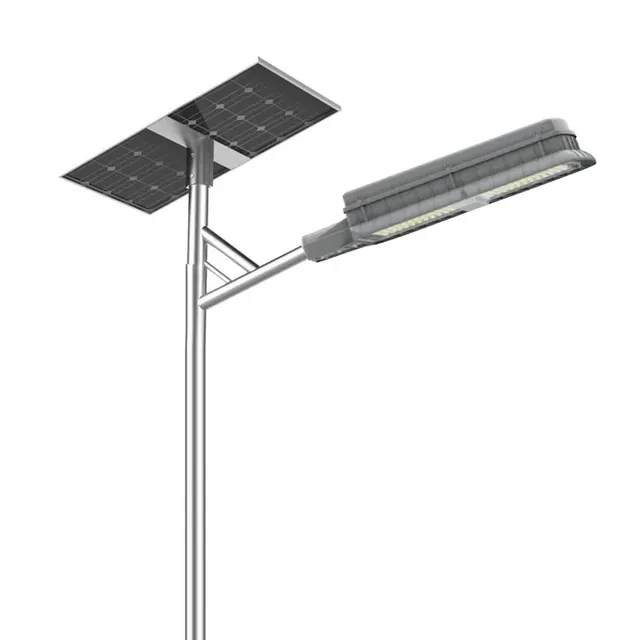
Solar Street Light ZYS-1500
ZYS-1500 is the top of the ZYS range and is specified where a single pole has to cover the widest span in the project.
View Product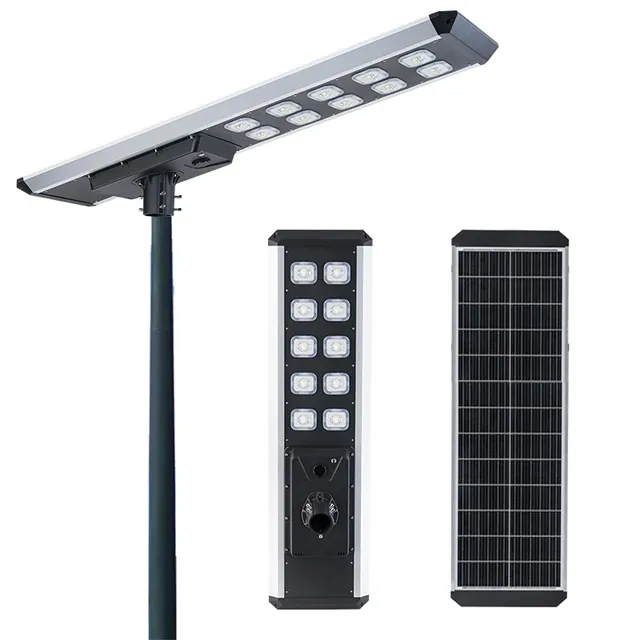
Solar Street Light XL-ZYS-G1000
XL-ZYS-G1000 is the largest of the ZYS-G models and is used where a project needs the panel angled independently of the luminaire.
View Product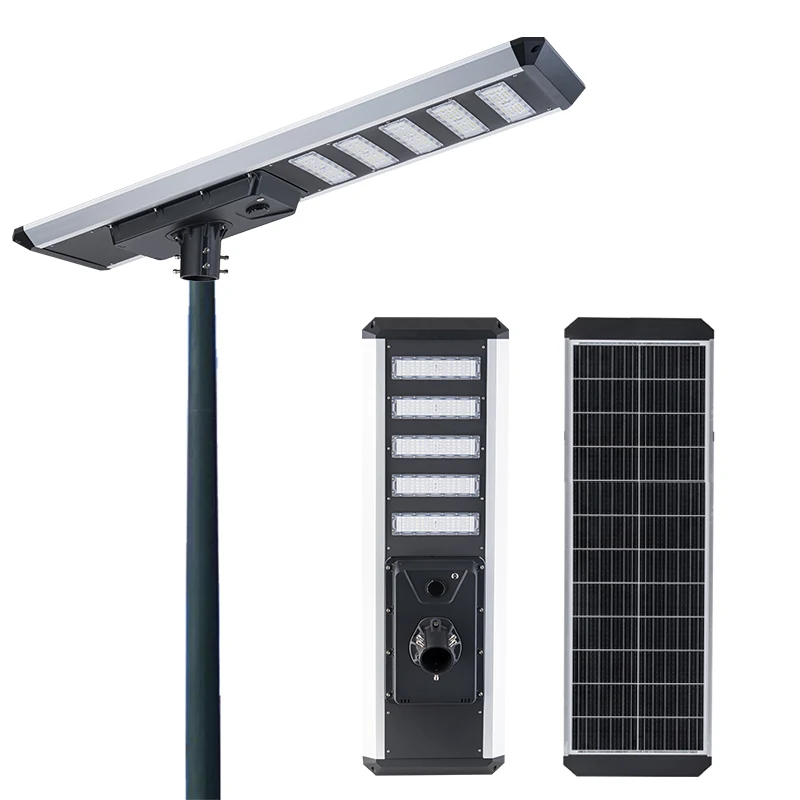
Solar Street Light XL-ZYS-T500
XL-ZYS-T500 is the mid size all-in-one unit, the model most often quoted when a buyer wants one product to cover the majority of positions in a residential road project and only a few special positions elsewhere..
View Product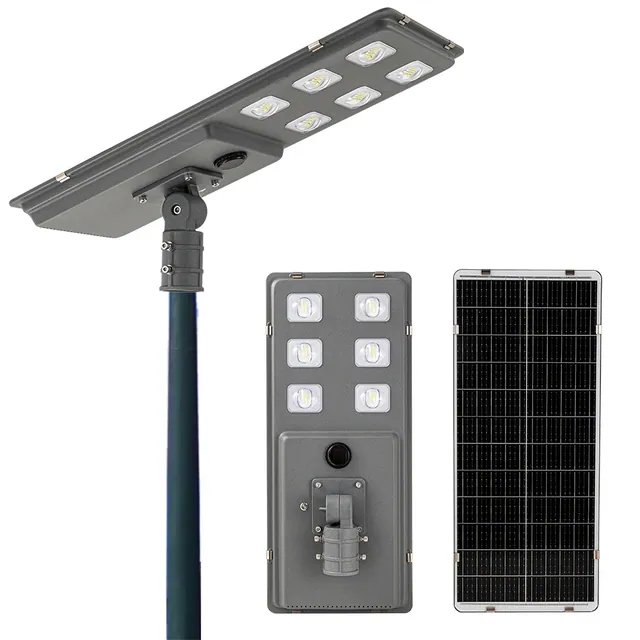
Solar Street Light XL-CK-150
XL-CK-150 is the compact unit in the range, aimed at pathways gardens and low traffic areas where a full road luminaire would be oversized and over budget.
View ProductApplications and Industries
Solar Street Lighting for a Road Without Grid Supply
Light a road class that needs full coverage between poles, with no cable route available and no budget for grid extension.
Read MoreMunicipal and Road Lighting
Solar street lighting for public roads, village electrification programmes and municipal open spaces.
Read MoreQuestions From This Guide
How many lumens do I need for a residential street
3000 to 6000 lumens is the usual range for residential streets and parking lots. Pathways and gardens sit at 2000 to 3000 lumens and highways and industrial areas start above 6000 lumens.
What pole height should I use
Four to six metres for small roads and gardens, seven to nine metres for residential or commercial streets, and ten metres or more for highways and large parking lots.
How much battery backup should I ask for
At least three days of backup for cloudy or rainy weather, using lithium-ion or LiFePO4 cells rated above 2000 charge and discharge cycles.
Which IP rating do I need
IP65 or IP66, with aluminium alloy housing and resistance to UV, corrosion and extreme temperatures. This is critical in tropical and coastal regions.
Do you provide a lighting simulation
Send us your site plan with road width, pole spacing and mounting height and we will come back with a configuration and datasheet for the models that fit.
Put This Into a Quotation
Send your site or store details and we will apply these criteria to your actual project.