
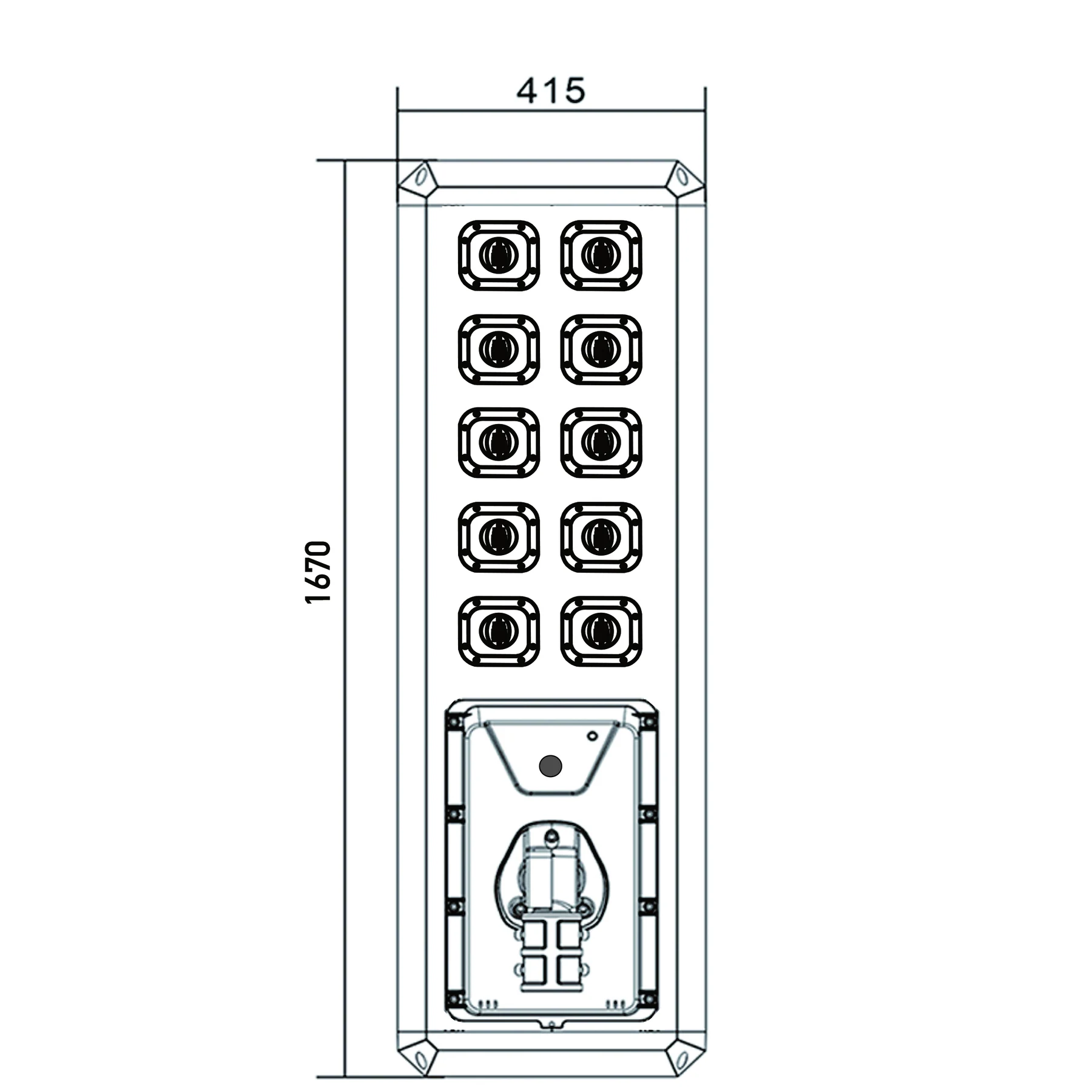
All-in-One vs Split Type Solar Street Lights
Which configuration belongs on which site, and why shading and installation time usually decide the answer before output does.
The Two Configurations
An all-in-one solar street light integrates the light, the battery and the panel into a single body. A split type keeps the panel separate from the luminaire, connected by cable. Both are LED solar street lights charging from the sun and running from stored energy, and the difference shows up in installation and in how the site treats the panel.
Where All-in-One Wins
The integrated design installs quickly and stays compact and sleek on the pole. It is the usual choice for urban streets, residential areas and parks, particularly when the crew has a short installation window and the site has open sky. In our range the ZYS-T series and the KODA and CK models are the integrated units.
Where Split Type Wins
Separating the panel gives better heat management and lets the panel size be customised to the battery and the site. It is the usual choice for industrial zones, large scale installations and custom projects. In our range the ZYS-G series carries the separately mounted panel.
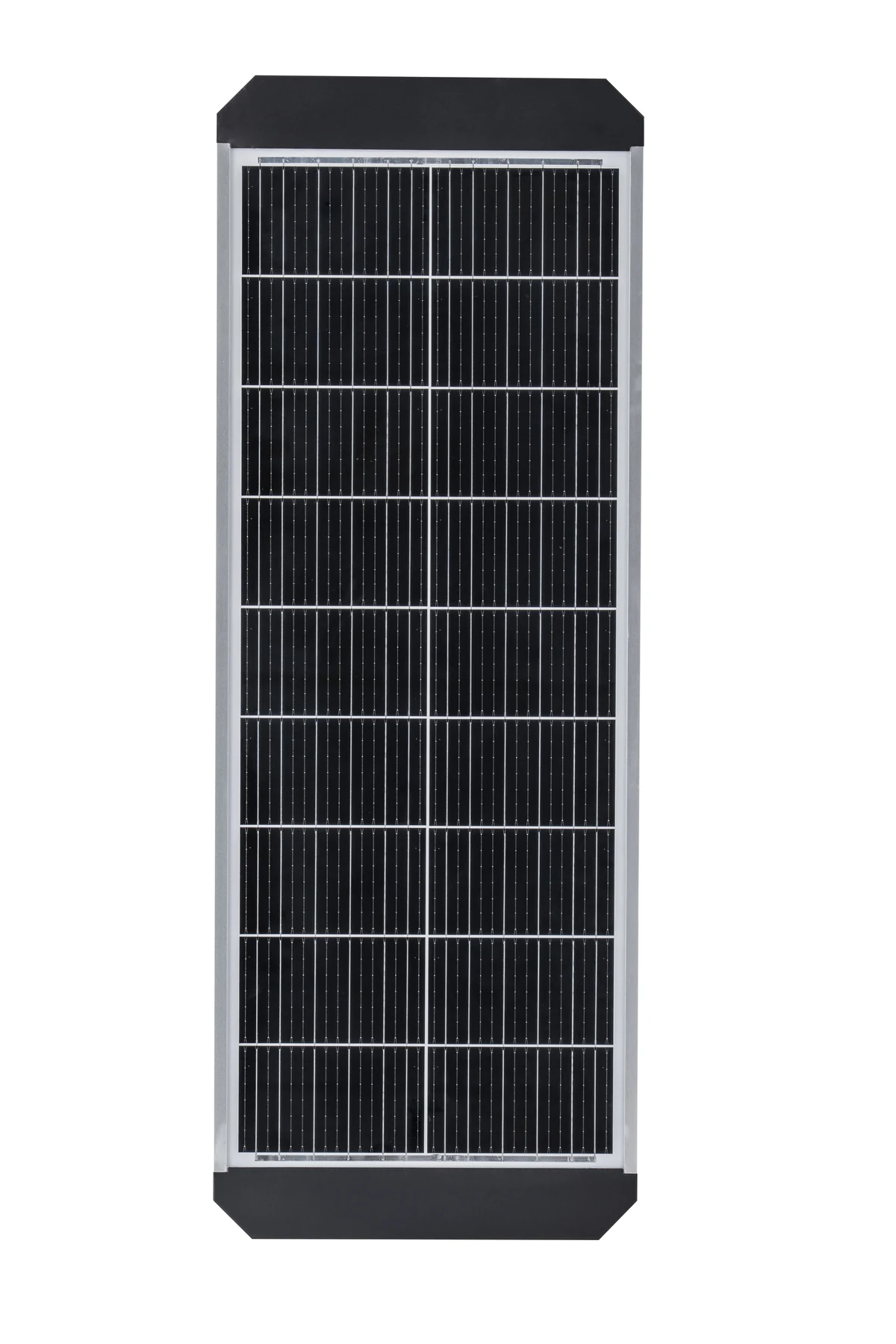
Shading Decides More Projects Than Output Does
On logistics yards, industrial parks and tree lined streets, the best position for the luminaire and the best position for the panel are often not the same. A split type lets the panel sit clear of the shadow while the light stays over the area that needs lighting. That single constraint moves more projects to split type than any difference in output.
Mixing Both in One Project
Most real projects are mixed. Open positions take all-in-one units for speed, shaded or awkward positions take split type. Keeping both from one manufacturer means one spares list and one warranty contact rather than two.
How to Decide for Your Site
Mark the shaded areas on your site plan, note the installation window and the mounting height, and send both. We will say which positions should be integrated and which should be split, and issue a datasheet for the models we recommend.
Models Referenced in This Guide
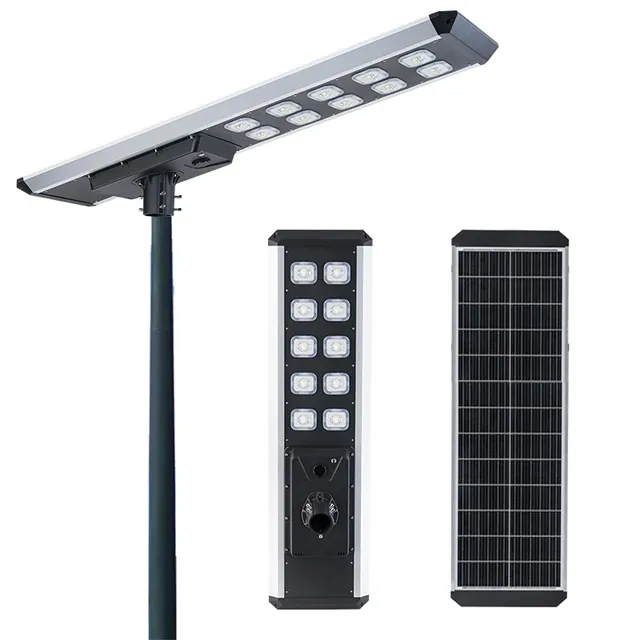
Solar Street Light XL-ZYS-G1000
XL-ZYS-G1000 is the largest of the ZYS-G models and is used where a project needs the panel angled independently of the luminaire.
View Product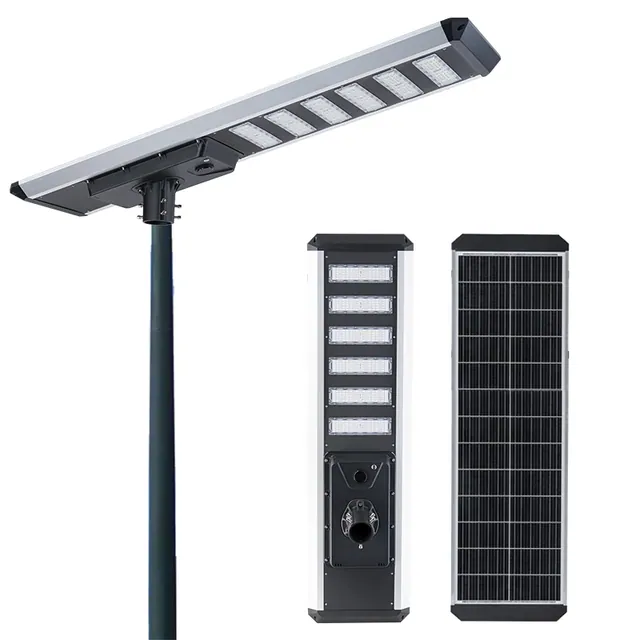
Solar Street Light XL-ZYS-T600
XL-ZYS-T600 is the largest of the ZYS-T all-in-one models, built for projects that want the coverage of a road luminaire without the installation time of a split system.
View Product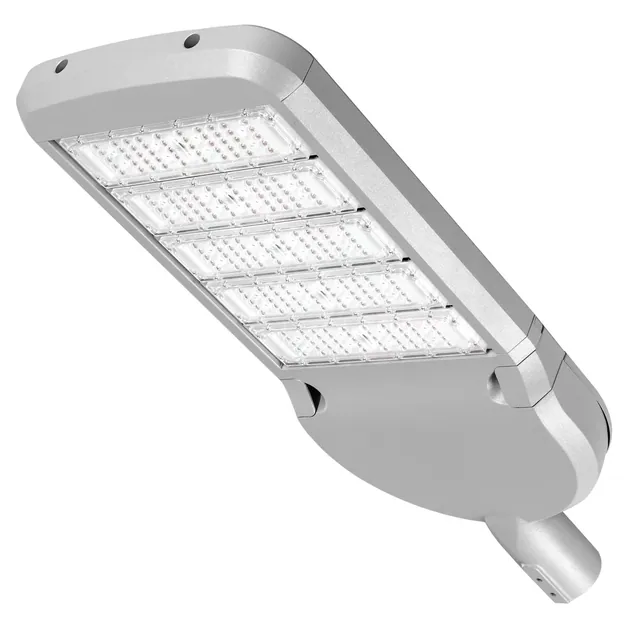
Solar Street Light XL-KODA-500
XL-KODA-500 is the KODA series unit, an integrated light chosen where installation speed matters more than a custom panel size.
View ProductApplications and Industries
Solar Lighting for a Logistics Yard With Panel Shading
Light working areas at night without trenching across live traffic routes, on a site where an all-in-one unit would sit in shade for much of the day.
Read MoreMunicipal and Road Lighting
Solar street lighting for public roads, village electrification programmes and municipal open spaces.
Read MoreIndustrial and Logistics Sites
Solar lighting for yards, distribution areas and industrial park roads where extending the grid across a site is disruptive and slow.
Read MoreQuestions From This Guide
Is one configuration more efficient than the other
Split type gives better heat management and allows a customised panel size. All-in-one trades some of that for faster installation and a more compact unit.
Can I use all-in-one lights under trees
Only where the panel still gets a useful daily sun exposure. Where branches or buildings shade the pole position, a split type with the panel mounted clear is the safer choice.
Which is faster to install
All-in-one. The panel, battery and light arrive as one assembly, so a crew mounts and commissions a pole in one visit.
Can one project use both types
Yes, and most do. We quote by position rather than by single part number so open and shaded positions each get the right configuration.
Put This Into a Quotation
Send your site or store details and we will apply these criteria to your actual project.