
What IQC IPQC FQC and QA Actually Catch
Four inspection stages, four different failure modes, and why removing any one of them shows up in the field.
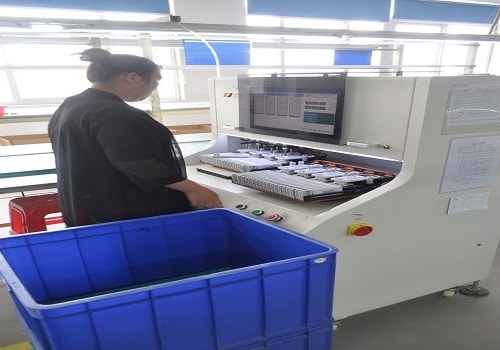
IQC catches the supplier
Incoming quality control tests the physical and chemical performance of raw materials and records supplier quality. Material that meets the standard goes to the warehouse; material that does not is rejected. A defect caught here costs the price of the material. The same defect caught after assembly costs the price of the assembly.
IPQC catches the process
In-process quality control puts a QC site at every process step. This is what makes a defect traceable to the station that created it, rather than appearing as an anonymous failure at final test.
FQC catches the batch
Final quality control inspects finished products to the AQL standard, or at 100 percent when the programme requires it. AQL is a sampling decision, and it is worth agreeing which level applies before production rather than after a rejection.
QA catches what testing does not
Quality assurance tests for wear, tear and the ability to withstand misuse, and inspects the packed goods in the warehouse before delivery. Products fail in the field for reasons a functional test never simulates, which is why this stage exists separately.
The tests that run at 100 percent
Raw material testing, PCBA testing and aging testing are carried out at 100 percent. Aging testing in particular is what separates a defect rate quoted at 0.3 to 0.8 percent from one discovered by customers three months after shipment.


Questions On This Guide
Can we specify our own AQL level?
Can we inspect before shipment ourselves?
More Guides
 Product GuideHow an Ultrasonic Aroma Diffuser WorksWhy the atomiser plate, not the tank, decides how a diffuser performs.
 Comparison GuideOscillating and Sonic Toothbrush Platforms ComparedTwo different motors, two different price positions, and one decision that affects your refill business for years.
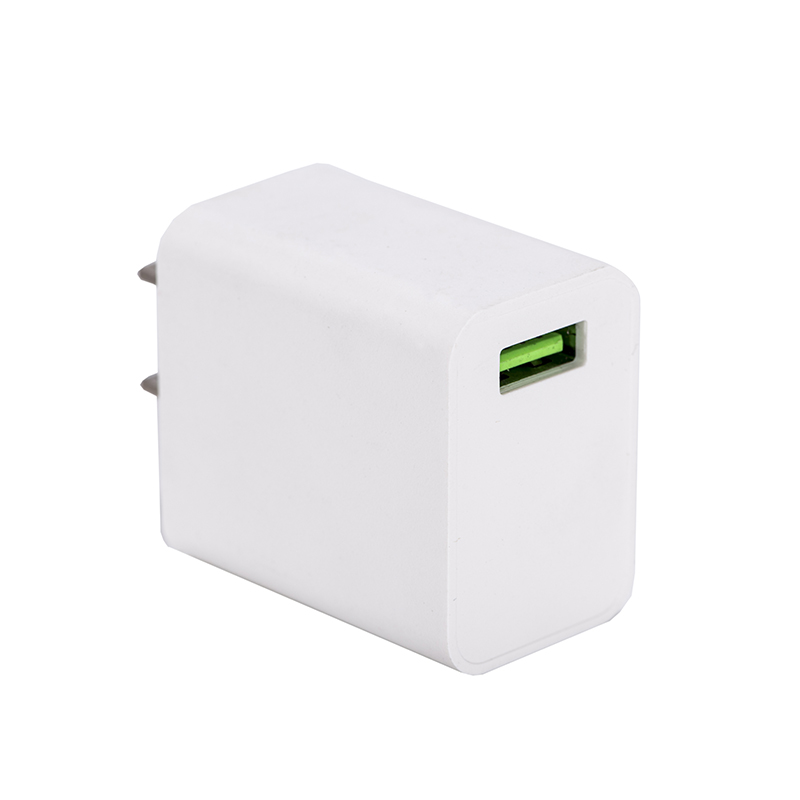 Buying GuideQC 3.0 and USB Power Delivery Explained for BuyersWhat the two fast-charge standards actually change, and why a range usually needs both.
Take The Next Step With A Specification Not A Guess
Send the figures in your brief. We will confirm what the catalogue meets and what needs a change.