
How an Ultrasonic Aroma Diffuser Works
Why the atomiser plate, not the tank, decides how a diffuser performs.
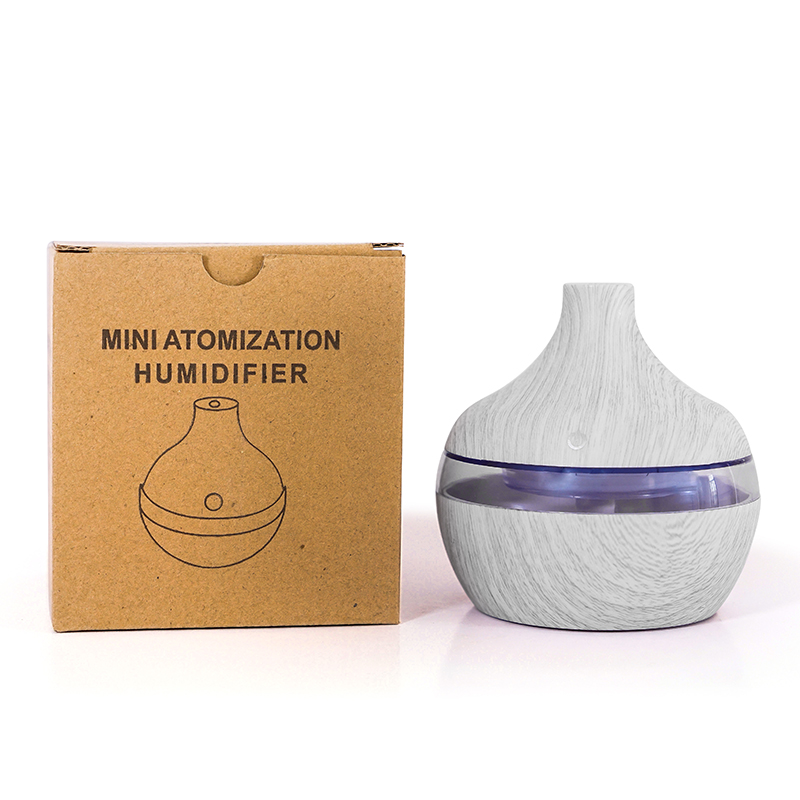
The atomiser plate does the work
An ultrasonic diffuser has no heater and no fan-driven evaporation. A piezoelectric disc under the water vibrates at a frequency well above hearing, and the pressure waves tear the water surface into droplets small enough to leave as a cold mist. Because the water is never heated, the oil is not cooked, and because there is no motor turning, the unit can sit below 20 dB.
What the atomisation rate tells you
Atomisation rate is quoted in millilitres per hour. A 130 ml tank at 35 ml/h runs for under four hours; a 300 ml tank at 35 ml/h runs for around eight. That is why our J-006 at 130 ml and 35 ml/h is specified for fast scenting of a small room, and the 400 ml J-102 at 30 ml/h is specified for a lobby or a treatment room where run time matters more than speed.
Voltage tells you the room size
A 5 V, 2 W diffuser is a desk product. Once a unit moves to 24 V and 12 W, as the J-102 does, it has the power budget for a larger mist path and a bigger room. Voltage is the quickest way to read a diffuser datasheet.
Why water-shortage protection matters
Running an ultrasonic plate dry damages it. Timing shutdown - four hours on the J-001 and J-002 - covers the common case; explicit water-shortage protection, which the J-102 carries, covers the case where the tank empties early.
Materials and finish
The J-003 body is ABS with PET and acrylic trim and silicone seals. Wood grain is a surface treatment on the ABS, not a different material, which is why a range can carry light wood, deep wood, crack and pastel finishes from one tool.


Questions On This Guide
Does a higher atomisation rate mean a better diffuser?
Why is noise quoted at 20 dB on some models and 36 dB on others?
More Guides
 Comparison GuideOscillating and Sonic Toothbrush Platforms ComparedTwo different motors, two different price positions, and one decision that affects your refill business for years.
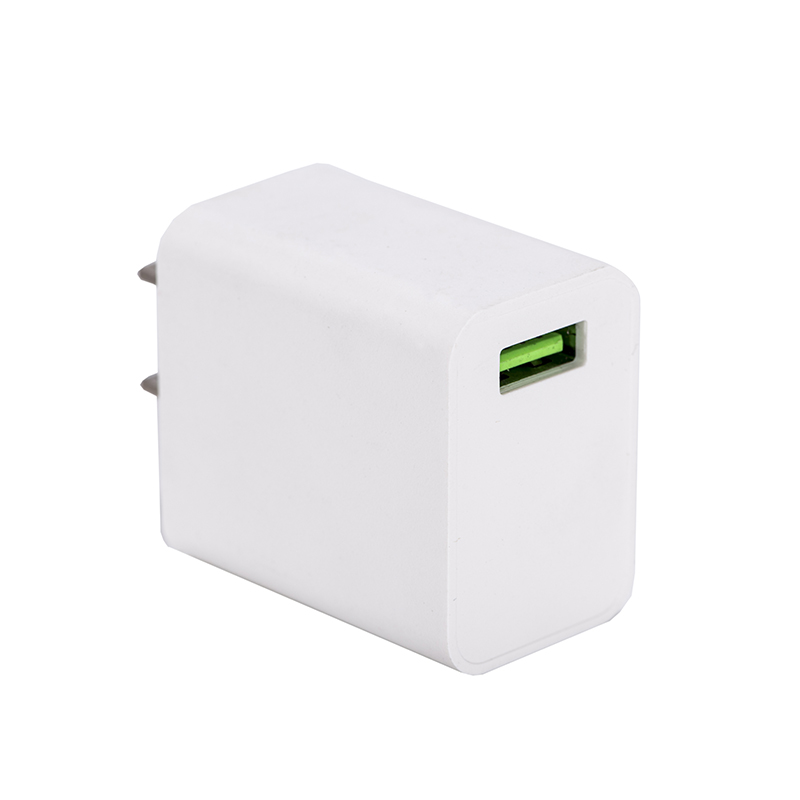 Buying GuideQC 3.0 and USB Power Delivery Explained for BuyersWhat the two fast-charge standards actually change, and why a range usually needs both.
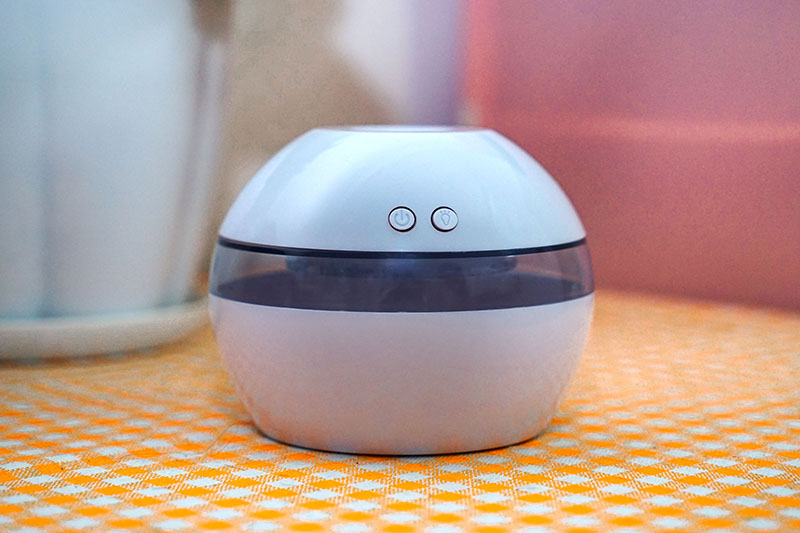 Buying GuideReading a Diffuser Carton Spec Before You QuoteCarton dimensions and pieces per carton decide landed cost more often than unit price does.
Take The Next Step With A Specification Not A Guess
Send the figures in your brief. We will confirm what the catalogue meets and what needs a change.