
Choosing A Lunch Box For Your Market
Compartment count, seal type and capacity mapped to school, office and adult bento channels.
Start With The Meal, Not The Box
The lunch box category is the widest in this catalogue and the easiest to get wrong, because the buying decision is driven by what the market eats and how it is carried, not by the box itself.
Four Questions That Decide The Reference
Is the meal wet or dry?
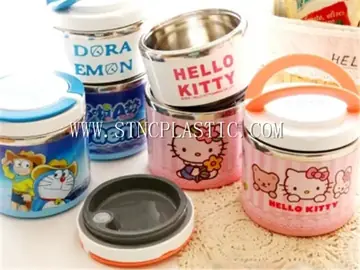
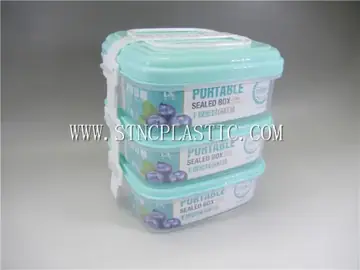
Dry meals work with a plain clip lid. Anything with sauce needs a silicone gasket and locking clips. Soup needs the thermos range with a stainless inner rather than a plastic box.
Is it reheated?
If the destination has a microwave, choose a vented PP box. If it does not, an insulated thermos build is the only honest answer and a plain box will generate complaints.
How many compartments?
Two compartments suit a rice and dish market. Three to five suit a snack and lunch combination for school. Compartment layout is set by the mould, so if your menu does not fit an existing layout that is a tooling conversation, not a specification conversation.
Is it carried in a bag?
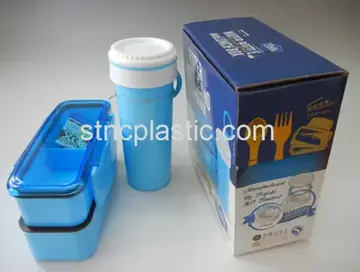
If yes, the seal and the clips matter more than the capacity, and a matched bottle set is usually the better retail unit because it sells as one SKU.
Capacity Guidance
- Young children: small capacity with a low compartment count and a lid a child can open alone
- School age: mid capacity with a snack compartment and, in most markets, a matched bottle
- Adult office: larger capacity, gasket seal, and often a two layer build
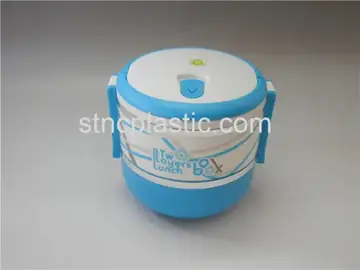
- Hot meal markets: thermos range with a stainless inner and a carry bag
What To Send Us
Tell us the meal, the age group, whether the destination has a microwave and the retail price you are aiming at. That gets a useful shortlist back. A request for a lunch box quotation with no context gets a list, which helps nobody.
Categories This Guide Applies To
Apply This To Your Own Order
Send the items you are considering and we will answer the specification questions in writing before you commit to anything.