
Dock Boards
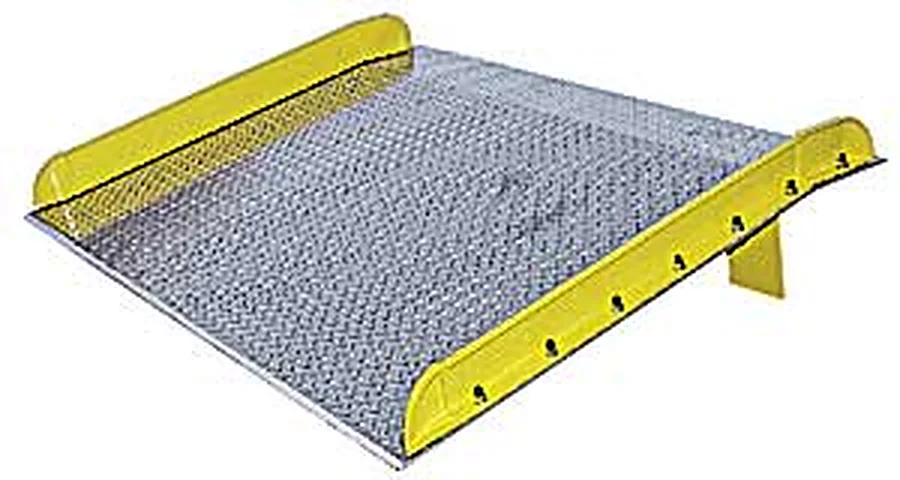
Aluminium Dock Boards
An aluminium dock board bridges the gap and the height difference between a dock edge and a trailer bed. The S&L TAS series publishes 21 models…
View specifications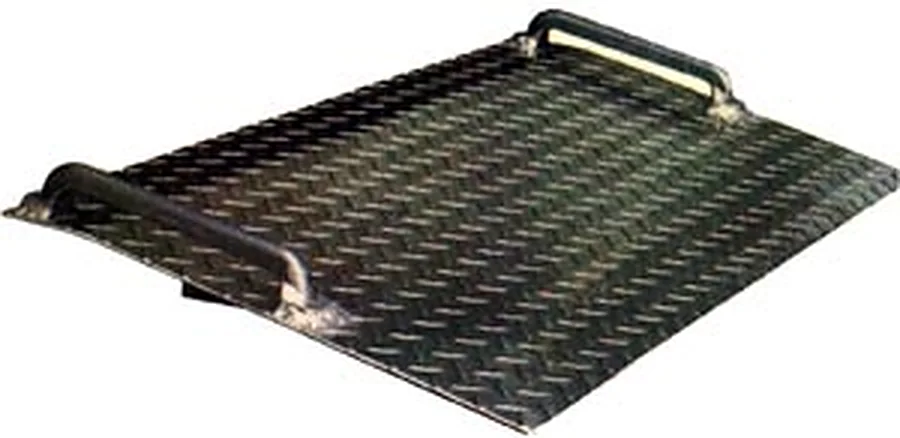
Where a bay runs steel-wheeled trucks, castings or swarf-laden pallets, a steel deck outlasts an aluminium one. The S&L steel range uses diamond tread decks with welded lift handles or lifting rings, in board and plate formats.
The choice between steel and aluminium is rarely about strength, it is about what crosses the deck. Steel-wheeled pallet trucks, hot or sharp offcuts and abrasive debris all wear an aluminium tread faster than they wear a steel one.
The trade-off is handling weight. A steel board normally lives in one bay rather than being carried between them, so the specification question becomes which bay, not which shift.
Two formats appear in the S&L photographs. The board format carries a raised side curb and a release lever at the leading edge. The plate format is flatter, with a welded tubular lift handle across the near edge or a lifting ring, and a folding support leg underneath.
Capacity ratings and dimensions for the steel range are not published on the original S&L documentation. They are quoted per bay against the height difference and the truck that will cross.
A diamond tread steel deck stands up to steel wheels, swarf and castings better than an aluminium tread of the same rating.
A welded tubular handle or a lifting ring, so a board that lives in one bay can still be moved when the bay is reorganised.
The curbed board for regular bay use, the flatter plate with a folding support leg for ground-level and occasional positions.
Full-width tread pattern for wheel and foot grip.
Fitted across the near edge on the plate format.
On the painted plate version, for ground-level positions.
On the board format, at the leading edge.
Every figure below is transcribed from the specification sheets S&L published for this line. Where a figure is not published, it is marked rather than estimated.
| Specification | Status |
|---|---|
| Rated capacity | TBC at quotation |
| Width and length range | TBC at quotation |
| Deck plate thickness | TBC at quotation |
| Net weight | TBC at quotation |
These are confirmed at quotation rather than estimated here.
Every photograph below is from the S&L product records for this line. Nothing is a stock image or a rendering.
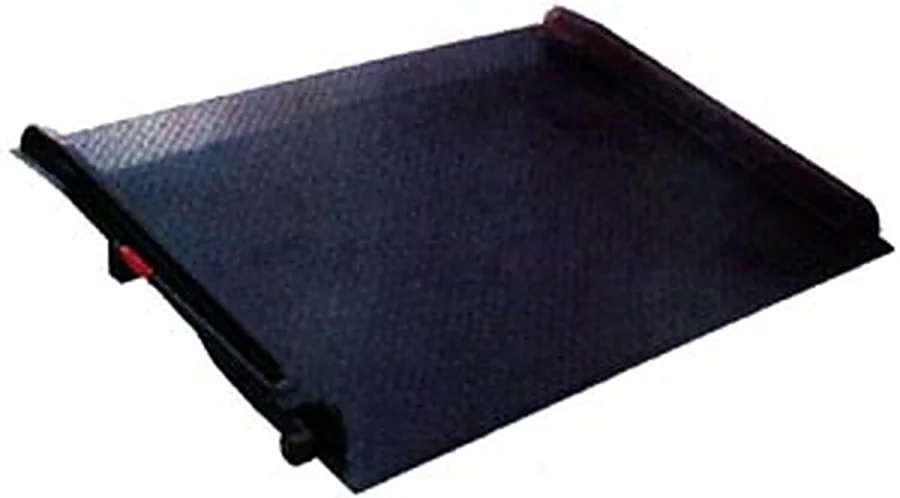
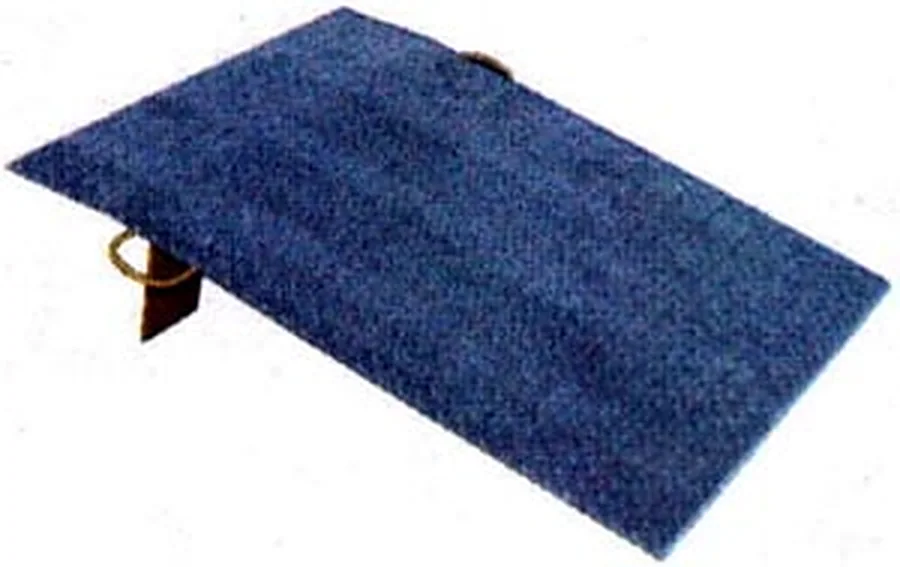
Steel deck plate with welded handles, curbs and support legs. Finish is painted or bare steel depending on the format.
ManufacturingDeck plate is cut and the loading edge formed, the handle or lifting ring and any curb or support leg are welded on, then the board is cleaned and finished.
Weld inspection at the handle, curb and leg joints, a flatness check on the deck, and a function check on the folding support leg where one is fitted.
CertificationsNo third-party certification is published for Steel Dock Boards and Plates in S&L's own documentation, so this page marks it TBC at quotation rather than implying one. Dock board buyers normally need the capacity rating evidenced rather than a certificate. The TAS series publishes its rating per model; for the steel range the rating is confirmed in writing at quotation.
| Option | When To Choose It |
|---|---|
| Steel dock board | Abrasion resistance with a raised side curb. Stays in one bay. |
| Aluminium dock board | Lower weight and a published model list with rated capacities. Moves between bays. |
| Steel dock plate | Flatter, with a lift handle or ring and a folding leg, for ground-level and occasional-use positions. |
Capacity is not published on the original S&L documentation. It is quoted per bay against the height difference and the truck that will cross the board.
When wear is the deciding factor: steel wheels, swarf, castings, hot or sharp material. Choose aluminium when the board has to be moved between bays and you want a published capacity class.
The board carries a raised side curb and a release lever at the leading edge. The plate is flatter, with a welded lift handle or a lifting ring and a folding support leg.
No. The yellow steel curbs are a feature of the aluminium TAS range. The steel boards in the S&L photographs use a plain raised curb or no curb at all, depending on the format.
Yes. Because the steel range is quoted rather than listed, size is set at quotation.
Dock Boards
An aluminium dock board bridges the gap and the height difference between a dock edge and a trailer bed. The S&L TAS series publishes 21 models…
View specifications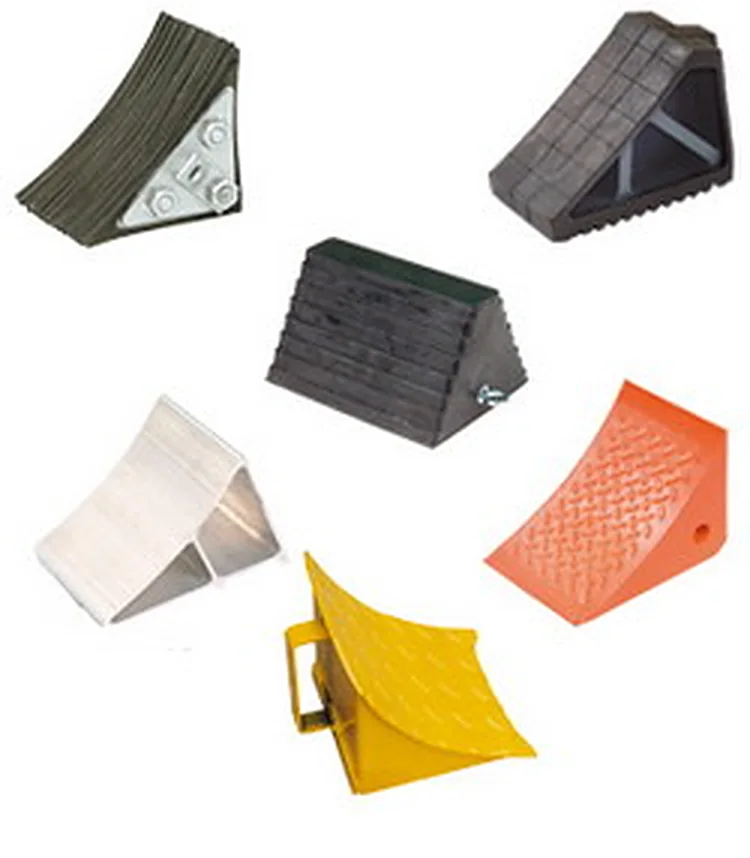
Wheel Chocks
A wheel chock is the cheapest thing on a loading dock and the one that most often is not there. S&L lists six models, SL-WC-01 to SL-WC-06, across…
View specifications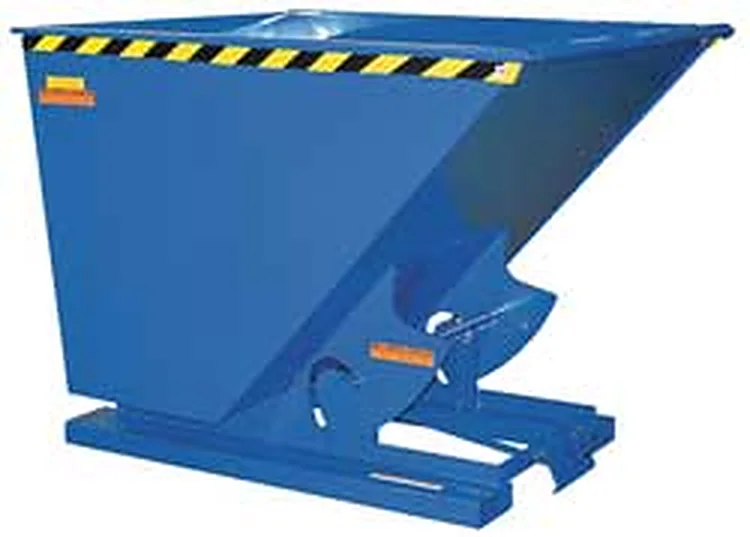
Steel Hoppers
The HOP series is the core of the S&L hopper range: eighteen published models across three duty classes. The duty class is set by the steel gauge, 12…
View specificationsName the capacity class and the bay dimensions. Undersized boards almost always come from quoting on pallet weight rather than the whole crossing load.