
How Custom Soft PVC Fridge Magnets Are Made
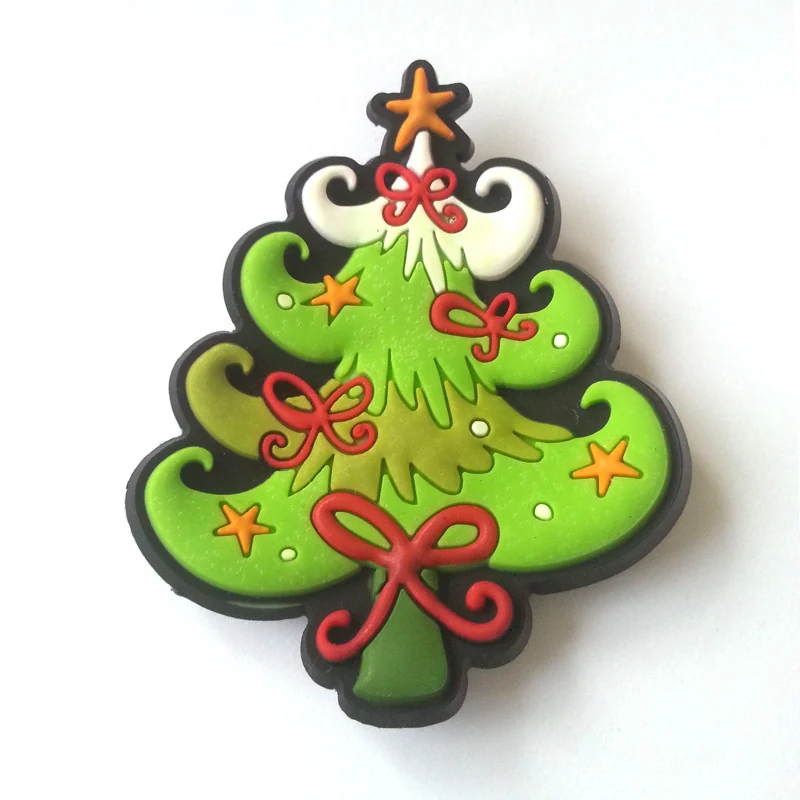
A soft PVC magnet is not printed. It is moulded, colour by colour, in an aluminium tool, and almost every quality problem you can see in a finished magnet was decided before production started.

Why the process matters to a buyer
Two magnets that look similar in a photograph can be made in completely different ways, and the difference shows up three months later on a shop rack. Understanding the route helps you ask the right questions before you place an order rather than after.
The short version: artwork becomes a mould drawing, the drawing becomes an aluminium tool, colour is laid into the tool by hand or by machine, heat cures it into a single soft body, and the magnet is fitted last.
Step 1 Artwork and feasibility
Artwork arrives as JPG, AI, CDR or PDF. The first job is not drawing, it is checking what the design will survive. Three things get measured: the thinnest raised line, the narrowest structural join, and the number of separate colour fields.
Fine line work below roughly one millimetre of raised width tends to fill in or flash during moulding. Narrow joins, a spire, an antler, a tail, are where a part breaks in transit. Both are fixable on paper and expensive to fix in steel.
Step 2 The mould drawing
The mould drawing is where the design is translated into something manufacturable. Each colour field is separated by a raised keyline so the colours cannot bleed into one another. Relief heights are assigned per element, usually shallow on faces and deeper on background layers.
The fixing point is set here too. On a magnet that means the magnet recess, placed near the centre of mass so the finished piece sits flat against a door instead of tilting away from it.
Step 3 Tooling
The tool is cut in aluminium. Cavity layout, how many parts sit on one plate, is planned around your order quantity: more cavities means faster production but a more expensive tool.
This is also where set pieces get their economics. A four-piece set laid out on one plate is a single moulding job rather than four separate ones, which is why sets cost far less than four individual designs.
Step 4 Colour filling
Soft PVC compound is laid into the tool one colour at a time, into the cells formed by those raised keylines. Each colour is a separate operation, which is why colour count affects price more than complexity does.
Colour itself is mixed to a Pantone reference rather than matched by eye. This is the single most important control in the whole process, because it is what makes a reorder in eighteen months match the original.
Step 5 Curing
The filled tool is heated so the compound fuses into one soft body. There is no glue line between colours and no printed layer on top, which is why the colour cannot wear off with handling.
This is the property that separates a moulded magnet from a printed one. A printed magnet loses its image at the edges within months of being handled; a moulded one does not.
Step 6 Trimming demoulding and magnet fitting
Parts are demoulded and any flash is trimmed. The magnet is then fitted into the recess in the back of the body.
Setting the magnet into the body rather than gluing it onto a flat back is what stops it shearing off in a bulk bag. It is worth asking any supplier which of the two they do.
Step 7 Inspection and packing
Finished parts are checked against the approved sample held from the sampling stage, not against a photograph or a colour description. Colour, relief and trim are the three things being compared.
Packing is then either bulk bagged for bin display or blister carded with a header card and barcode for peg racks. That decision belongs at the start of the project, because carding artwork takes its own lead time.
What this means for your timeline
| Stage | Typical duration |
|---|---|
| Existing sample dispatched | 1 to 2 days |
| Custom sample after artwork approval | 4 to 6 days |
| Production at MOQ | 10 to 15 days |
| Quotation issued | Within 8 working hours |
Freight sits on top of this. Express courier for small quantities, sea freight for volume, and many buyers split a season across both.
Lead times, minimums and certifications quoted here are Rich Industry's own, as published on rich-gifts.cn. Confirm current figures with your quotation.

Read Next
Soft PVC Versus Rubber and Silicone
Three materials cover almost everything in moulded promotional products. Choosing the wrong one usually shows up as a part that looks right and feels wrong.
Preparing Artwork Files for Custom Moulded Products
Most delays in a first order are artwork delays, and almost all of them are avoidable if you know what the factory actually needs.
MOQ Lead Times and Planning a Season
Seasonal buyers miss dates for the same reason every year: they count forward from today instead of backwards from the shelf date.
Questions on This Topic
Is a soft PVC magnet printed or moulded?
Moulded. Colour is laid into cells in the tool and cured into a single body, so it cannot rub off. Printed magnets lose their image at the edges with handling.
What is the most common cause of a poor quality magnet?
Shallow keylines between colour fields, which let colours bleed into each other during filling. It costs nothing extra to cut them deeper, so it is purely a question of how carefully the tool was made.
How long do the moulds last?
An aluminium tool comfortably covers repeat seasons of normal souvenir volumes. Moulds are retained here between orders so a reorder skips tooling entirely.
Apply This to Your Own Project
Send the artwork or the brief and we will tell you what is achievable, what it costs and how long it takes. Quotation within 8 working hours.