
Preparing Artwork Files for Custom Moulded Products
Most delays in a first order are artwork delays, and almost all of them are avoidable if you know what the factory actually needs.
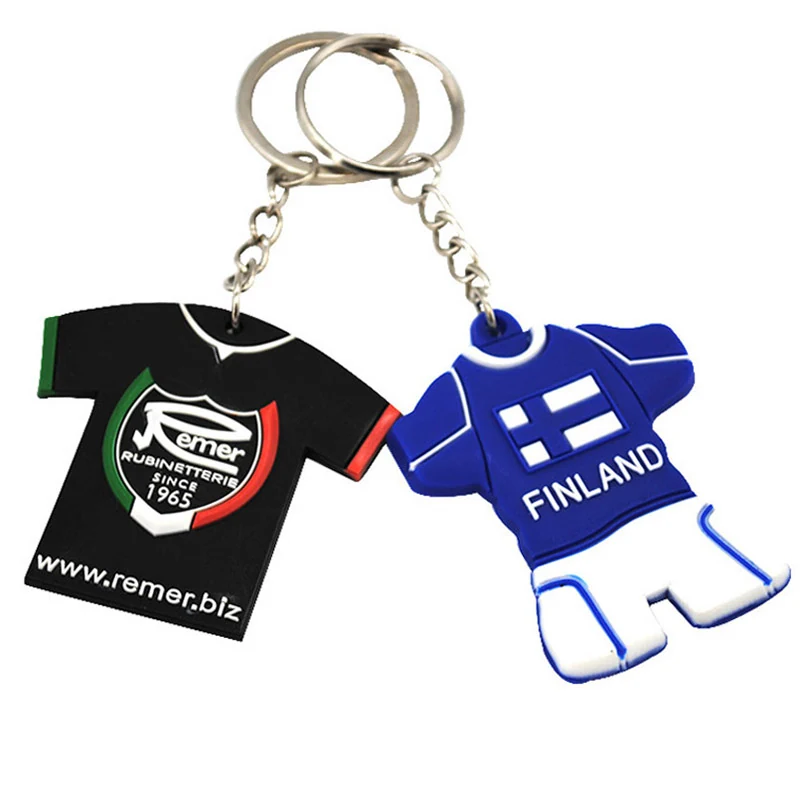
What to send
JPG, AI, CDR or PDF are all accepted. Vector files are easier to work from, but a clear photograph or a hand sketch is a perfectly usable starting point. You do not need a print-ready file.
What matters more than format is that you send the design at the size you intend it to be made. A logo that reads beautifully on a screen may have line work too fine to mould at 40 mm.
The five problems that cause delays
- Raised line work below about one millimetre wide, which fills or flashes in moulding
- Text too small to mould, particularly thin script at small sizes
- More colour fields than the size can carry without crowding
- No indication of where the magnet, ring or strap should attach
- Colours described in words instead of Pantone references
Each of these is solvable at drawing stage and expensive once the tool is cut.
Colour, properly specified
Give Pantone references rather than descriptions. Brand blue, New Year red and sand are not specifications, and two factories will interpret them differently.
Once you approve a Pantone reference and a physical sample, both are held here and used to set every subsequent production run. That is what makes a reorder match the original.
Text and lettering
Raised block lettering is the most legible option and the least likely to fill during moulding. Script and handwritten fonts need more relief depth because the strokes are thin and connected.
Supply text as outlined vector artwork so letterforms are not substituted by a font on our side. This matters especially for non-Latin scripts.
Say how the item is used
A drawing cannot tell us whether a piece goes on a fridge, a keyring or a suitcase, and the fixing changes the design. Magnets need a recess near the centre of mass. Key chains need an eyelet at the strongest point of the outline. Luggage tags need a strap anchor moulded into the body.
Telling us the end use with the artwork removes a whole round of questions.
What comes back to you
Our designer returns a mould drawing showing colour separation, relief heights, thin-section changes and the fixing point. You approve that before any tooling is cut.
Treat the drawing approval as the real decision point in the project. Changes are free at that stage and costly afterwards.
Lead times, minimums and certifications quoted here are Rich Industry's own, as published on rich-gifts.cn. Confirm current figures with your quotation.
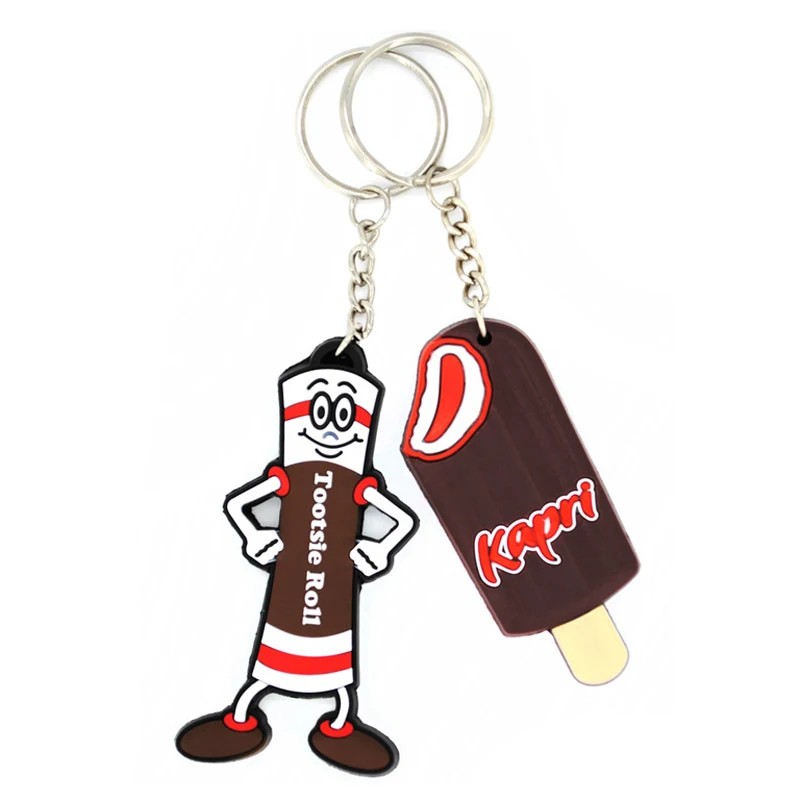
Designs Referred To Above
Read Next
How Custom Soft PVC Fridge Magnets Are Made
A soft PVC magnet is not printed. It is moulded, colour by colour, in an aluminium tool, and almost every quality problem you can see in a finished magnet was decided before production started.
Soft PVC Versus Rubber and Silicone
Three materials cover almost everything in moulded promotional products. Choosing the wrong one usually shows up as a part that looks right and feels wrong.
MOQ Lead Times and Planning a Season
Seasonal buyers miss dates for the same reason every year: they count forward from today instead of backwards from the shelf date.
Questions on This Topic
Do we need a professional designer to order?
No. We have our own designer and work regularly from photographs and sketches. What we need from you is the intent and the end use, not a finished production file.
Can you redraw a design we have used before?
We can work from your own artwork or from a design you own. We will not copy another factory's artwork or another company's trademarked design.
How many rounds of revision are normal?
One is typical for a straightforward design. Building in time for a second round is sensible on a first order with a new supplier.
Apply This to Your Own Project
Send the artwork or the brief and we will tell you what is achievable, what it costs and how long it takes. Quotation within 8 working hours.