
Choosing a Hand Truck
Capacity is the number buyers compare and the doorway is the number that decides. Six checks before you order a pallet of trucks.
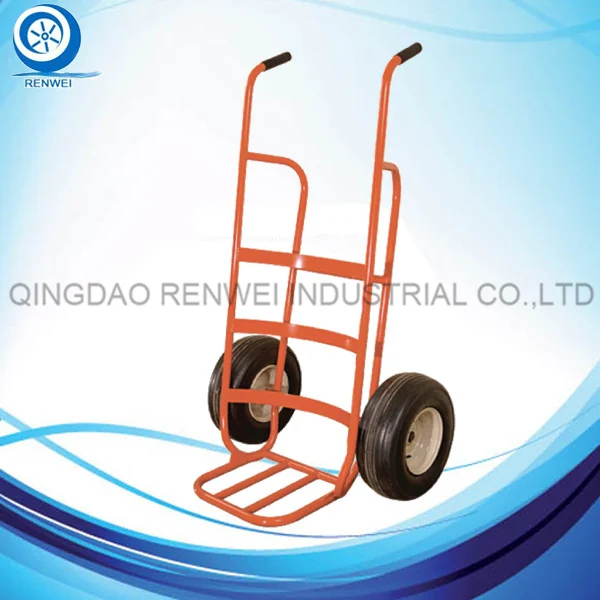
Hand trucks are bought on rated capacity and returned because of a doorway. The load rating is rarely the limiting factor in real use — the route is.
These are the checks worth making before an order, in the order that actually matters.
Start With the Route, Not the Load
Measure the narrowest point the truck has to pass: doorways, lift cars, van apertures, aisle turns. Then measure the tail lift or step it has to clear.
A truck that carries 300kg is no use if it is 40mm too wide for the service lift. Route dimensions rule out more models than capacity does.
Then the Wheels
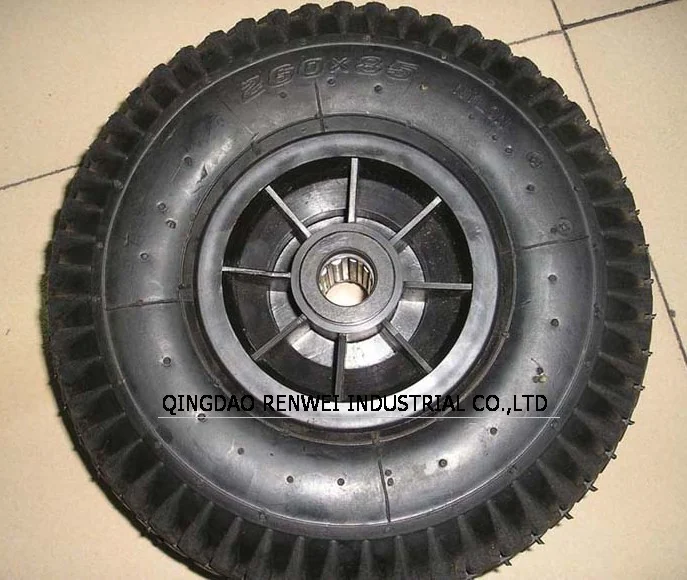
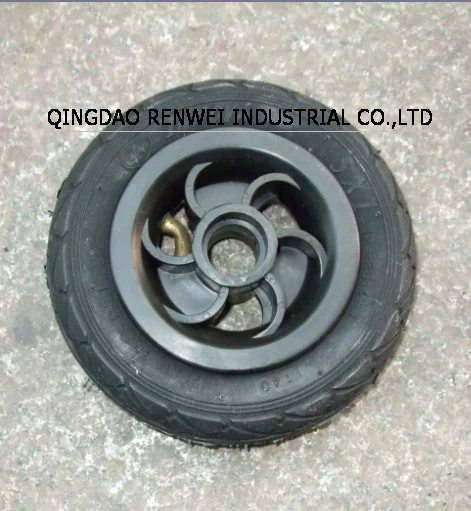
Wheel choice is the second decision and it follows the surface. Pneumatic wheels in the 16 inch class absorb kerbs, cobbles and yard surfaces. Solid wheels are maintenance free and suit smooth indoor floors.
If the truck lives on a van and crosses kerbs several times a day, air or PU foam wheels will pay for themselves in operator effort alone.
Toe Plate and Load Shape
The toe plate has to slide under the load. For pallets and boxed goods a standard plate is fine; for drums, kegs and cylinders the load shape and the back frame matter more than the plate.
Check the load you actually move most often rather than the heaviest thing you have ever moved.
Capacity and Own Weight Together
Rated capacity tells you what the truck will carry. Own weight tells you whether one person can lift it onto a vehicle at the end of a shift.
Both figures are published per model in the hand truck range on this site. A heavy truck with a high rating is the wrong answer for a delivery driver working alone.
Standardise the Wheel Across the Fleet
If you are buying more than a handful, standardise on one wheel size across the fleet. One spare then covers every truck instead of one truck.
Because the wheels are published as separate models here, this is a decision you can make on paper before the order is placed rather than discovering it later.
| Check | What to measure | Why |
|---|---|---|
| Route | Narrowest doorway, lift car, van aperture | Rules out models faster than capacity does |
| Surface | Kerbs, cobbles, thresholds or smooth floor | Decides pneumatic, foam or solid wheels |
| Load | Shape and typical weight, not the maximum | Decides toe plate and frame style |
| Own weight | Published per model | Decides whether one person can load it |
Platform Truck or Hand Truck
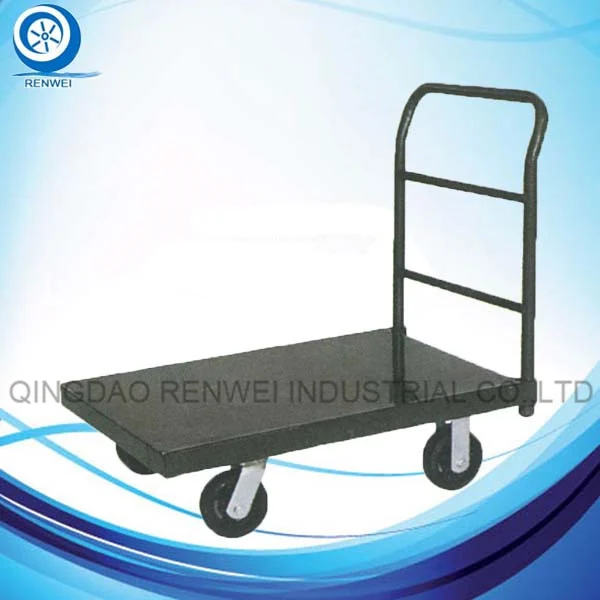
If the load will not balance on two wheels — flat, wide, or unstable — a platform truck is the right tool and a hand truck will be fought with daily.
Many operations buy both and standardise the wheel size across them, which is the cheapest way to run a mixed fleet.
Key Takeaways
- Measure the route before comparing capacities
- Match the wheel type to the surface, not to the price
- Compare own weight as well as rated load
- Standardise one wheel size across the fleet
- Use a platform truck for flat or unstable loads
Products Mentioned in This Guide
Where to Go Next in the Catalogue
Hand Truck
Platform Hand Truck
Rubber Wheel
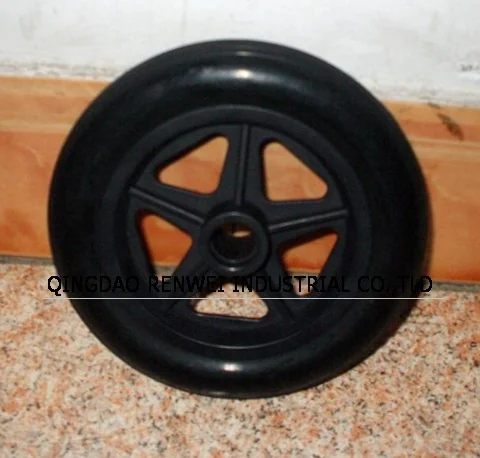
PU Wheel
Solutions Related to This Guide
Wheel and Caster Matching
Spare Parts and After Sales
Sample and First Order
Questions About This Guide
What capacity hand truck do I need?
Work from the load you move most often, not the heaviest you have ever moved. Published capacities in the HT60 range include 300kg models.
Are pneumatic wheels worth it on a hand truck?
If the truck crosses kerbs, cobbles or yard surfaces, yes — the difference in operator effort is substantial. On smooth indoor floors, solid wheels are fine and need no attention.
Can I get replacement wheels for hand trucks?
Yes. The wheel sizes used on these trucks are published as separate models in the rubber wheel and PU wheel categories.
Continue Reading
Rubber Products and Moulding Basics
OEM and Private Label Checklist
Container Loading for Bulky Goods
Apply This to Your Own Specification
Send the measurements, loads and surfaces described in this guide and the sales desk will come back with model numbers rather than a brochure.