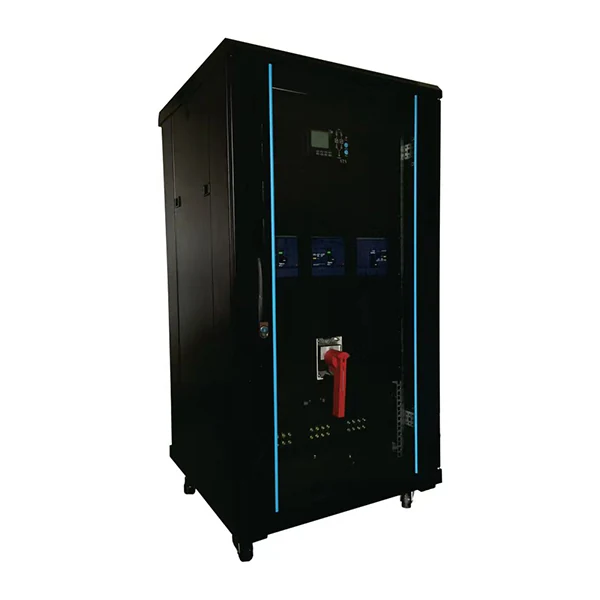
Static Transfer Switch
Solid state switches that move a critical load between two independent power feeds without an interruption the load can detect.
Explore Category
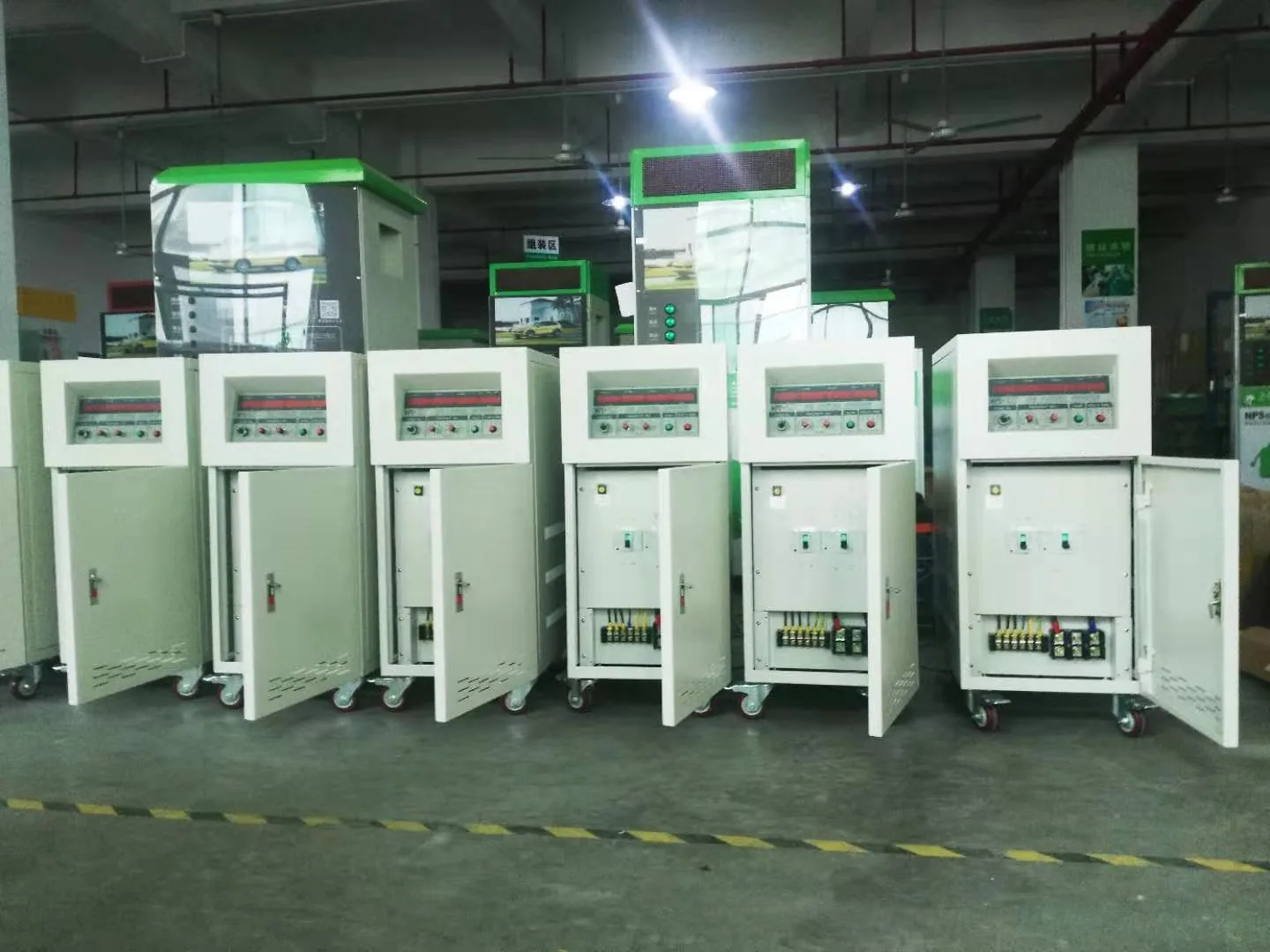
Nepson Industrial designs and manufactures AC power sources, static transfer switches and shore power conversion systems in Shenzhen since 2006.
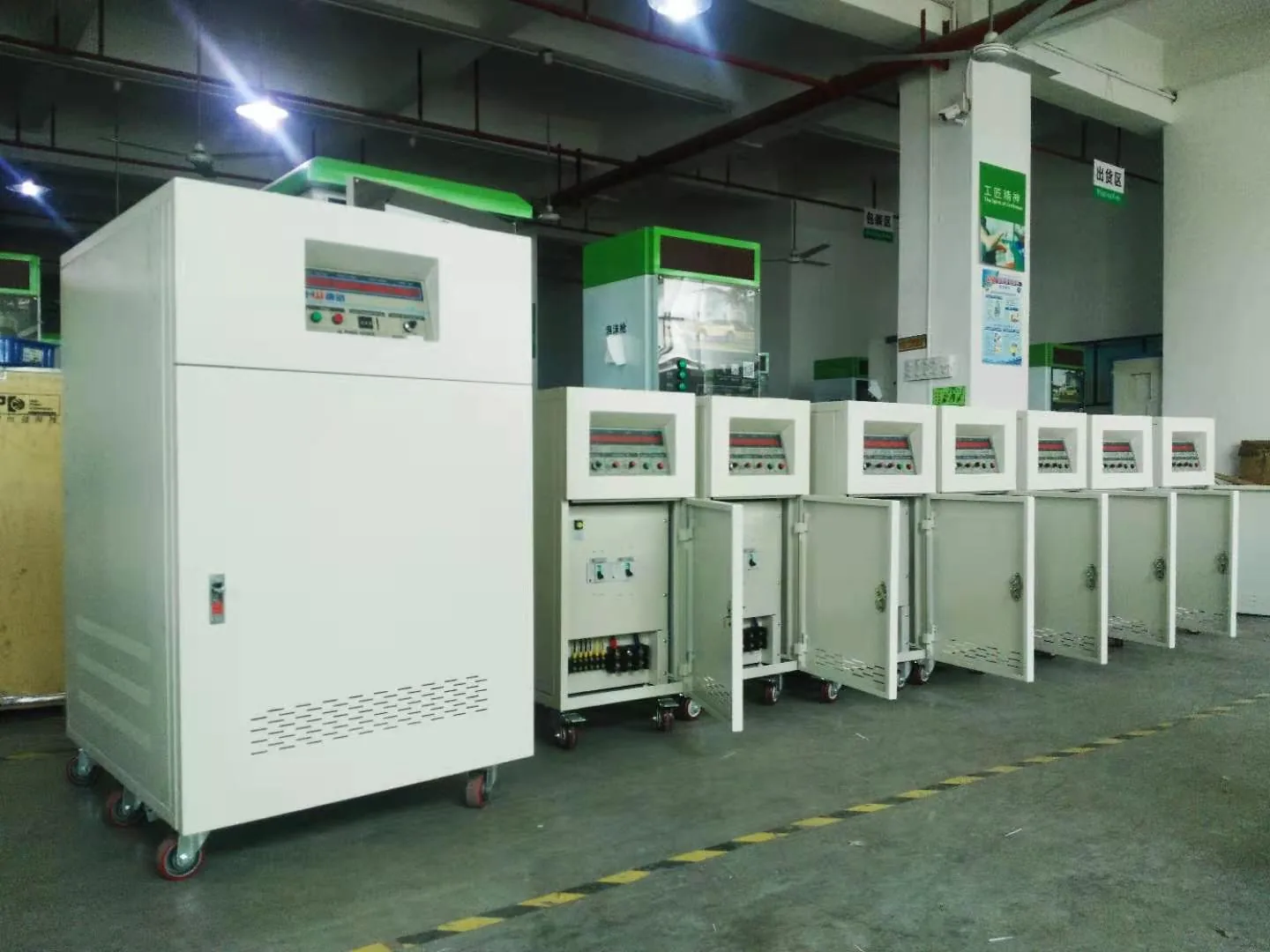
HPA programmable AC power sources deliver 0-300 VAC at any frequency from 40 Hz to 499.9 Hz for R&D, production test and QA verification.
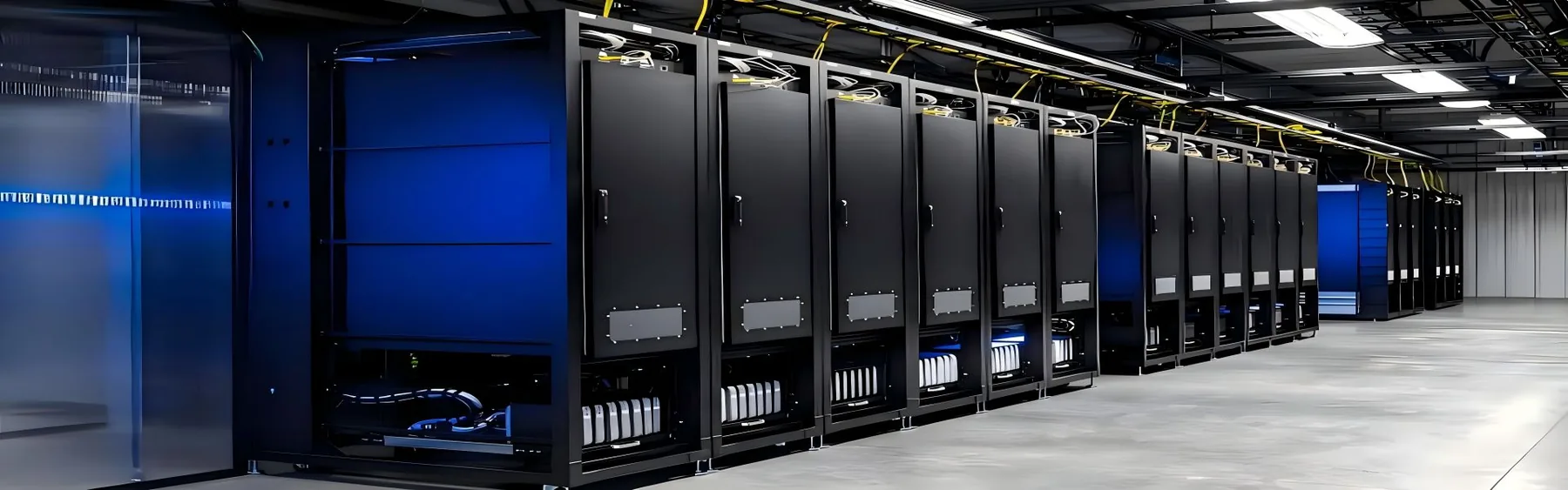
Three phase static transfer switches from 63 A to 400 A transfer between two independent feeds in 6 ms or less at 98 percent efficiency.
Static frequency converters, programmable AC power sources, three phase static transfer switches and shore power conversion systems, built in our own Shenzhen plant.
Solid state switches that move a critical load between two independent power feeds without an interruption the load can detect.
Explore Category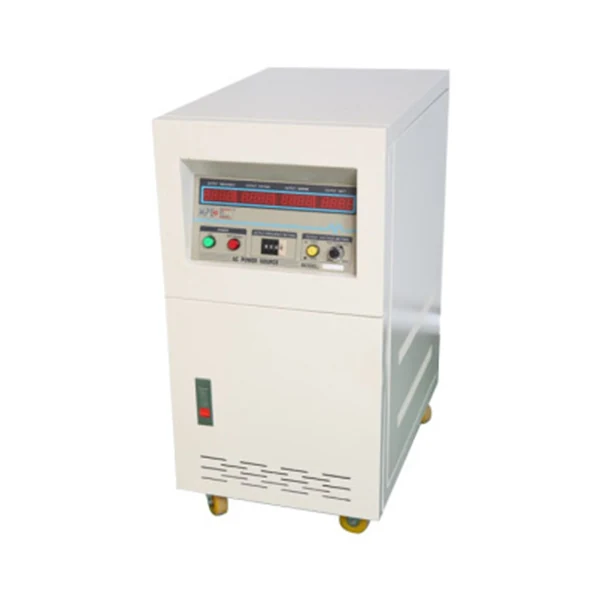
Programmable AC power sources that reproduce the voltage and frequency of any national grid on your test bench.
Explore Category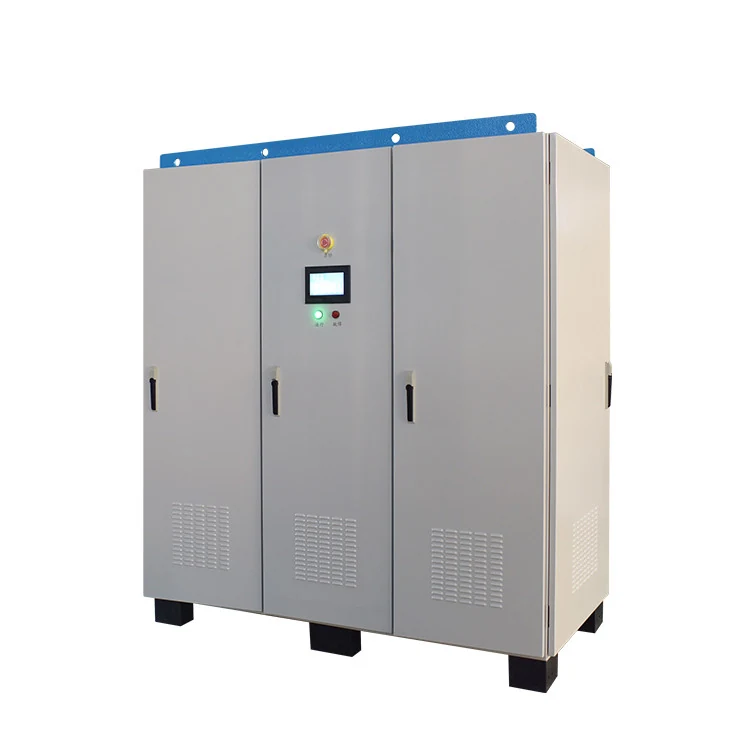
Static frequency converters that let a berthed vessel shut down its diesel generators and run on shore supply.
Explore CategoryFull specifications, protection behaviour and dimensions for each model are published on the product pages.
The HPA series is a variable frequency AC power source that reproduces the voltage and frequency used in any country on a single bench. It delivers...
View Specifications
The STS is built with two independent power inlets. The load normally runs from the primary source. If the primary source fails, the secondary source...
View Specifications
A static frequency converter sized for quayside shore connection, from 1000 kVA to 4000 kVA. It takes the local port supply and delivers a clean IT...
View SpecificationsPorts and container terminals, shipyards and vessel owners, data centre and telecom operators, and export manufacturers who must test products on foreign grid voltages and frequencies.
Berthed vessels burn fuel in auxiliary engines unless the quay can hand them power at the frequency and voltage their switchboard expects. That is a conversion problem, not a cable problem.
A yard supplies dozens of vessels that were built for different grids. Conversion equipment on the dock removes the argument about whose frequency is correct.
Redundancy only pays off if the changeover is faster than the load notices. A static transfer switch makes the second feed useful instead of decorative.
A product sold into three markets has to work on three grids. Bench power that reproduces those grids turns a shipping risk into a test case.
Control cabinets and process instruments are cheap compared with the batch they supervise. Keeping them energised through a feed fault is the whole job.
Equipment fails, trips or has to be certified twice when the supply frequency, voltage or source reliability does not match what the load was designed for. We convert and stabilise the supply instead of forcing the load to compromise.
A 60 Hz machine on a 50 Hz grid runs slow and draws higher magnetising current. Static conversion gives it the supply it was designed for.
A second feed only counts as redundancy when the transfer is inside the ride through window of the load. Ours is 6 ms or less.
Grid distortion moves production measurements between shifts. An isolated pure sine wave source removes it from the test.
One factory covers R&D, assembly and test. Input and output voltage levels are customised per project, cabinets go out air cooled or in IP65 containers, and every unit is tested before it ships.
From the first berth load survey to a commissioned converter on the quay, every stage has a decision that is expensive to revisit later.
See The ProcessA second feed is only redundancy if the load transfers onto it faster than it can notice. This is what that design looks like end to end.
See The ProcessTesting a product on the grid you happen to have is how field failures get discovered by the customer. Here is the alternative.
See The ProcessCabinets are fabricated, wired, burned in and tested in house before they are packed.
A static transfer switch moves a load between two independent supplies in milliseconds, fast enough that connected equipment does not restart.
Running a 60 Hz machine on 50 Hz changes motor speed, magnetising current and cooling. Static conversion gives the machine the supply it was designed for.
Six questions decide which AC source fits your bench: voltage range, frequency range, waveform, isolation, overload behaviour and metering.
Capacity, output frequency, system earthing, harmonic limit and housing type are the five decisions that fix the rest of a shore connection project.
AC power sources and inverters, three phase static transfer switches, and shore power static frequency converters from 1000 kVA to 4000 kVA.
Yes. Input and output voltage levels are set per project, and converter output can be 50 Hz, 60 Hz or 400 Hz.
Longhua District, Shenzhen, China. The company was established in 2006.
Send the load, voltage, frequency and site conditions by WhatsApp or email and an engineer will size the equipment against them.
Give us the voltage, frequency, current and site conditions. An engineer will come back with a model number and a drawing, not a brochure.