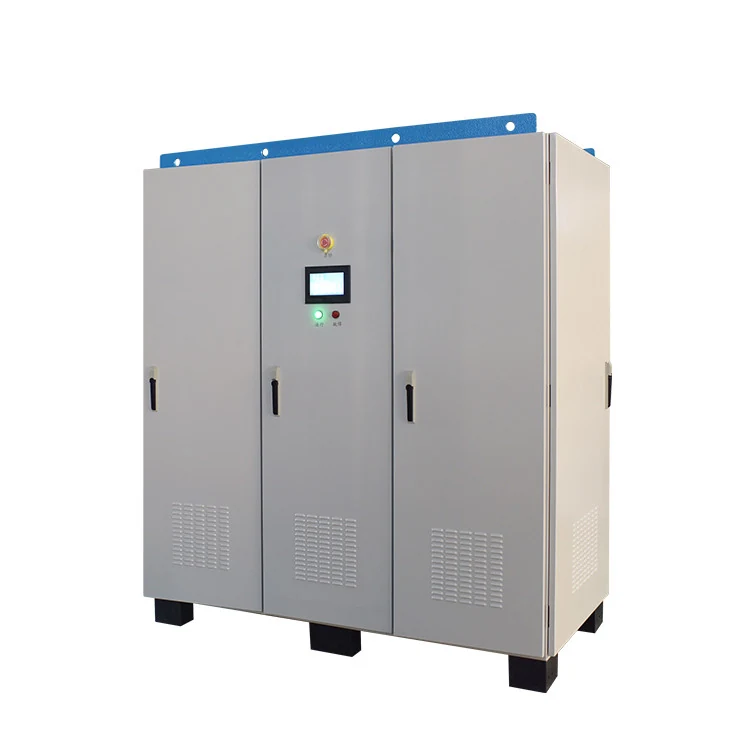
Shore Power Static Frequency Converter
A static frequency converter sized for quayside shore connection, from 1000 kVA to 4000 kVA. It takes the local port supply and delivers a clean IT...
View Specifications
Capacity, output frequency, system earthing, harmonic limit and housing type are the five decisions that fix the rest of a shore connection project.
Standard ratings are 1000, 1250, 1600, 2000, 3000 and 4000 kVA. Size on the peak simultaneous hotel load of the vessel classes that use the berth, then take the next standard rating above it.
Shore Power Static Frequency Converter
Output can be 50 Hz, 60 Hz or 400 Hz with an accuracy of 0.01. Output voltage levels are customised per project, and published rated output line currents cover both 440 V and 6.6 kV systems.
The output is an IT system with neutral insulation, which is what most vessel switchboards expect. Confirm the vessel side arrangement before the design is fixed.
6 pulse, 12 pulse and PWM rectifier front ends give input power factors of 0.90, 0.96 and 0.99 or better, with input current THD of 35, 6 and 5 percent or less at full load. The port authority limit decides which one is acceptable.
Container type units are IP65 and air conditioned, sized 6058 to 12192 mm long. Indoor type units are IP32 with forced air cooling. Weights run from 4 t to 25 t, so the quay loading has to be checked early.
Rated output is continuous below 1000 m altitude and the ambient range is -10 to 45 degrees C. Above 1000 m the unit is derated.
A static frequency converter sized for quayside shore connection, from 1000 kVA to 4000 kVA. It takes the local port supply and delivers a clean IT...
View SpecificationsNoise is 55 dB(A) or less.
125 percent of rated output current for 1 minute. At 150 percent the unit alarms, cuts the output and holds the fault signal.
Send the numbers from your own site and we will tell you which model the guide points to.