
Pulley
NOWARUN manufactures custom toothed pulleys to customer drawings across carbon steel, alloy steel, stainless steel, polymer, and aluminium categories. Tooth profiles are produced through hobbing with precision ratings from DIN 5 to DIN 10, followed by assembly and heat or surface treatment as specified on your print. Parts are built as contract OEM components rather than sold off the shelf.
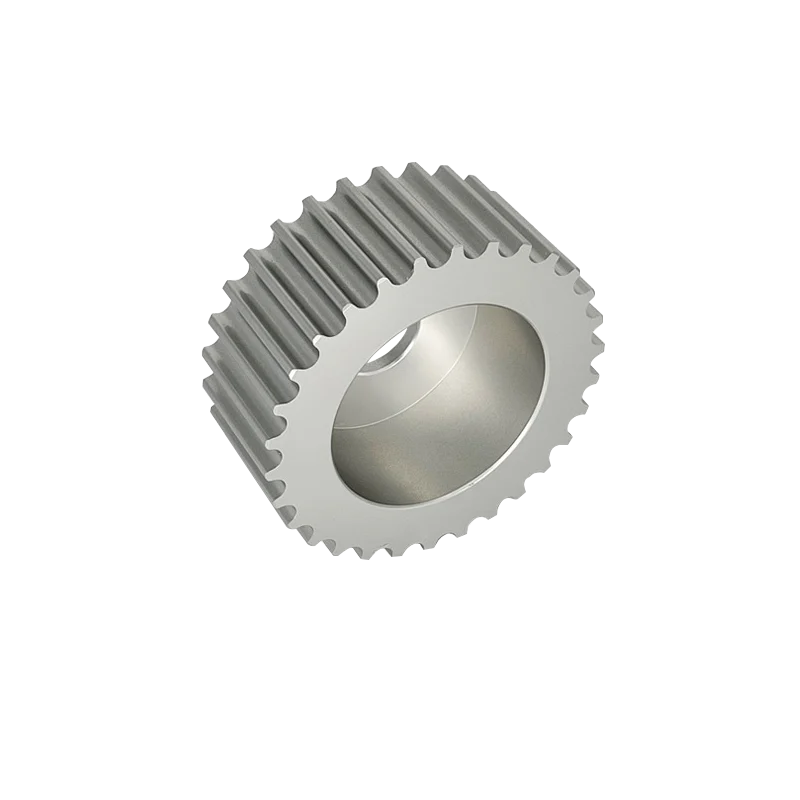
Published Data for Pulley
Every value below is taken from NOWARUN's own specification for this part.
| Gear Precision | DIN 5 to DIN 10 |
|---|---|
| Teeth Type | Wide range of standard |
| Processes | Hobbing and assembly |
| Material | Carbon steel, alloy steel, stainless steel, polymer, and customized national standards |
| Category | Aluminium |
| Heat Treatment | Carburizing, nitriding, induction, quenching and tempering |
| Surface Treatment | Various plating |
| Packaging | PP bag, carton, crate, box or according to customer requirements |
| Manufacturing Type | OEM to customer drawing |
Key Benefits
- Hobbed tooth profiles held to gear precision grades from DIN 5 to DIN 10 for consistent drive mesh
- Material selection includes carbon steel, alloy steel, stainless steel, polymer, and international standard grades
- Heat treatment options include carburizing, nitriding, induction, quenching, and tempering to match wear requirements
- Surface treatment choices including various plating options protect against operational corrosion
- Complete OEM manufacturing from blank machining and tooth hobbing to final assembly
- Custom packaging supplied in PP bags, cartons, crates, or boxes to protect teeth during transit
Problems It Solves
- Catalogue pulleys offer restricted tooth profiles and fixed bore dimensions that do not fit custom machine frames
- Premature tooth wear on standard soft pulleys used in abrasive or high-cycle drive environments
- Difficulty sourcing toothed pulleys machined from specific foreign steel or polymer material standards
- Sourcing delays caused by having hobbing, heat treatment, and final assembly split across multiple suppliers
Who It Is For
- Design engineers developing machinery drives that require non-standard pulley tooth profiles and bores
- Procurement managers sourcing custom hobbed metal or polymer pulleys to customer drawings
- Equipment rebuilders requiring replacement toothed pulleys matching exact national standard grades
- OEM manufacturers looking for contract pulley machining, tooth hobbing, and assembly
Application Scenarios
- Synchronous belt drives in machine construction requiring specific toothed pulley pitch geometries
- Drive systems in food processing machinery utilizing stainless steel or polymer toothed pulleys
- Agricultural equipment drives operating under continuous wear that require induction or carburized hardening
- Wood processing machinery mechanisms requiring hobbed pulleys made to specific foreign material standards
- Contract manufacturing replacement pulleys for industrial machinery where original catalogue parts do not fit
Technical Features
- Tooth cutting carried out by precision hobbing processes
- Gear precision capabilities spanning DIN 5 to DIN 10
- Heat treatment options comprising carburizing, nitriding, induction hardening, quenching, and tempering
- Protective surface finish available via various plating treatments
- Integrated assembly operations performed after tooth profile hobbing
Materials
- Carbon steel for standard mechanical power transmission pulleys
- Alloy steel where carburizing, nitriding, or induction hardening is required
- Stainless steel for corrosion resistance in wet or washdown environments
- Polymer for low noise operation or lightweight drive mechanisms
- Aluminium alloy for lightweight drive systems
- Customized material grades sourced according to various foreign national standards
How It Is Made
- 1
Drawing review and confirmation of tooth profile, material standard, and DIN precision grade
- 2
Blank preparation and turning to target outer diameters and bore dimensions
- 3
Tooth profile generation through precision hobbing
- 4
Thermal processing via carburizing, nitriding, induction, or quenching and tempering
- 5
Application of specified surface treatment including various plating options
- 6
Component assembly, final dimension checks, and packing into bags, cartons, or crates
Quality Control
- Tooth profile verification against target DIN 5 to DIN 10 gear precision grades
- Dimensional inspection of inner bore, keyway, and outer diameter against the print
- Hardness testing following induction hardening, carburizing, or nitriding processes
- Visual and thickness verification of protective plating across tooth flanks and bodies
Customization Options
- Tooth geometries cut to meet a wide range of standard belt tooth profiles
- Bore, keyway, hub dimensions, and mounting holes machined to customer drawing
- Material specification matched to carbon steel, alloy, stainless, polymer, or aluminium
- Heat treatment selection tailored to application wear and core toughness specifications
- Export packaging configured to PP bags, cartons, wooden crates, or boxes
Compared With the Alternatives
| Alternative | Honest trade off |
|---|---|
| Standard catalogue pulleys | Catalogue pulleys ship immediately but force fixed bore sizes, while custom hobbed pulleys match your exact drawing |
| Unheated carbon steel pulleys | Soft pulleys cost less initially, but nitriding or carburizing provides significantly longer flank life under load |
| Polymer pulleys | Polymer pulleys reduce system mass and running noise, but carbon or alloy steel carries far higher torque loads |
Use Guide
- Submit your 2D and 3D drawings indicating the tooth pitch, tooth profile, and bore details
- Specify the target gear precision between DIN 5 and DIN 10 for the hobbed teeth
- Define the required material grade and any equivalent foreign standard specifications
- Select the appropriate heat treatment such as carburizing, nitriding, induction, or quenching and tempering
- Verify the required plating finish and packaging method before final production release
Pulley Questions
What tooth precision grades can you hold on hobbed pulleys?
Pulleys can be produced with gear precision ranging from DIN 5 to DIN 10 depending on drawing specifications.
What materials can be selected for pulley production?
Available materials include various carbon steels, alloy steels, stainless steels, polymers, aluminium, and customized foreign standard grades.
What heat treatment options are available for steel pulleys?
Heat treatments include carburizing, nitriding, induction hardening, as well as quenching and tempering.
Can you provide surface treatments such as plating?
Yes. Various plating options are available to provide surface protection against wear and corrosion.
Do you offer assembled pulley units?
Yes. Capabilities cover both hobbing of tooth profiles and subsequent component assembly according to drawing.
How are custom pulleys packaged for export delivery?
Products are packed in PP bags, cartons, crates, or boxes, or configured according to specific customer requirements.
Related Products
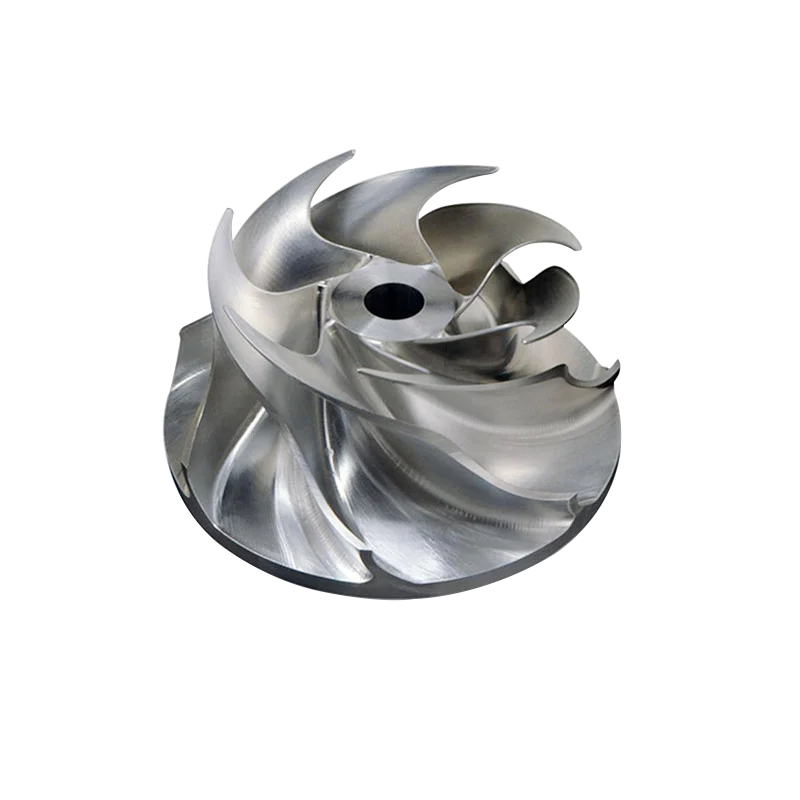
5 Axes CNC parts
5 axes CNC machining handles complex geometry, curved surfaces and multi-angle features in fewer setups, keeping…
View specifications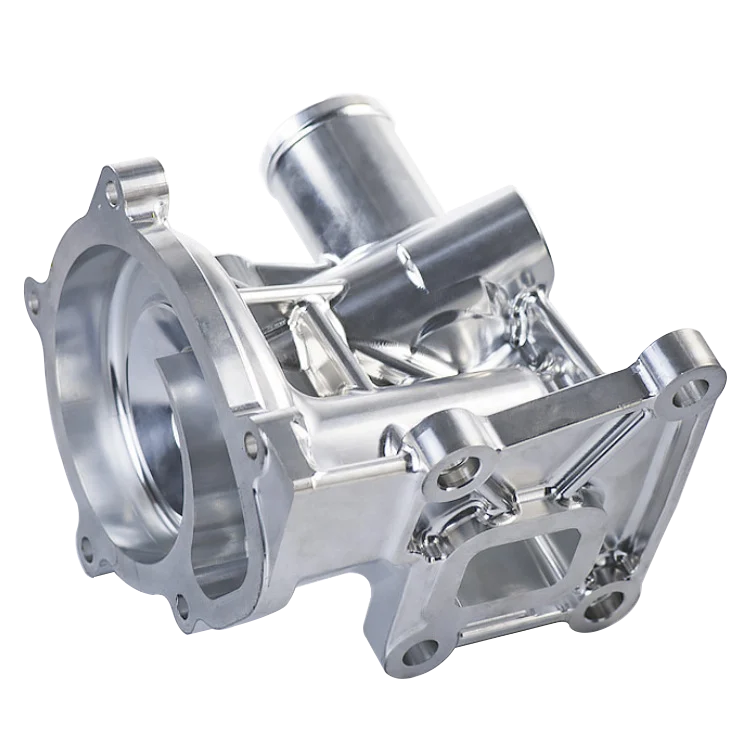
Aluminium CNC Parts
NOWARUN produces custom aluminium CNC parts to customer drawings using 4-axis and 5-axis machining, milling, and…
View specifications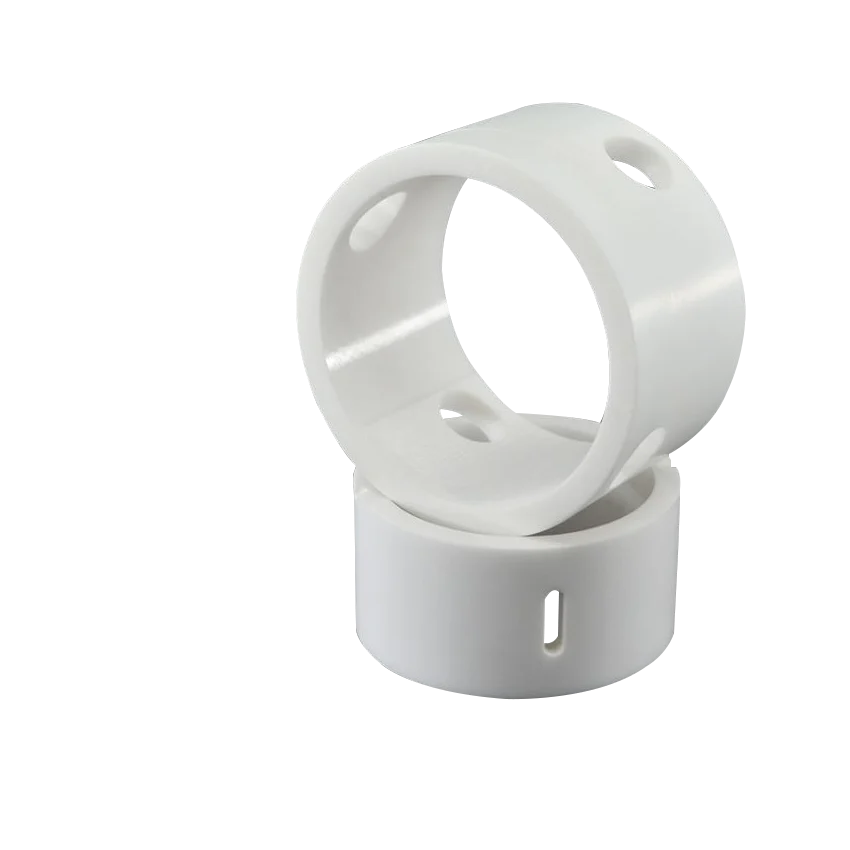
Alumina Ceramic
NOWARUN manufactures custom alumina ceramic plates from aluminium oxide (Al2O3) to customer drawings and data…
View specifications
Ceremic terminal block
Ceramic terminal blocks, also termed porcelain connectors or 2 pole ceramic connecting terminals, are produced in 2…
View specificationsQuote Pulley to Your Drawing
Send the print with the quantity, material, tolerance and surface treatment. Missing details get asked about, not assumed.