
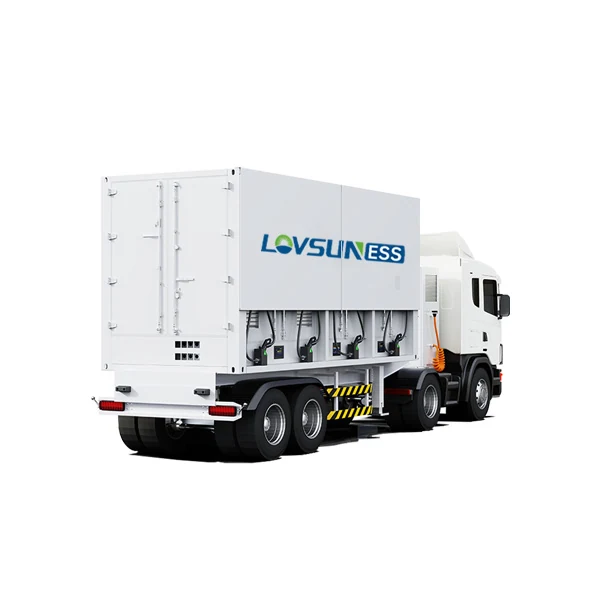
Energy Storage Mobile Charging Vehicle 1488kWh/2239kWh
1488-2239 kWh
Energy Storage Mobile Charging Vehicle 1488kWh/2239kWh is a vehicle-mounted energy storage and charging platform rated at 1488-2239 kWh, built for sites that need charging capacity before permanent grid capacity exists.
What This Product Changes On Your Project
- Sized for peak shaving and demand-charge reduction, where the payback is a billing line item rather than a generation estimate
- Remote monitoring over standard industrial protocols, so the system reports into an existing SCADA or EMS
- Outdoor-rated enclosure removes the cost of a dedicated, ventilated battery room
- Pre-integrated and factory-tested, so site work is foundation, cabling and commissioning rather than assembly
- Battery, thermal management, BMS and fire suppression are specified against each other by one supplier
Application Scenarios
- EV charging hubs buffering the grid draw of simultaneous fast-charge sessions
- Manufacturing plants shaving monthly demand peaks set by start-up loads
- Commercial campuses shifting PV output from midday into the evening tariff window
- Industrial sites bridging short utility interruptions without starting a generator
- Grid-side projects providing frequency and capacity support
Who It Is For
- Independent power producers and grid-side project developers
- Energy service companies building performance-based storage offers
- Distributors supplying C&I storage into their own installer network
- EPC contractors delivering commercial and industrial storage projects
Problems It Solves
- Battery-room construction, ventilation and fire compliance that can cost more than the batteries
- Multi-vendor integration risk when cells, PCS and controls come from three suppliers with three warranties
- Demand charges set by a handful of peak intervals each month rather than by total consumption
- Grid connection capacity that will not be upgraded in time for the site's growth plan
Technical Features
- Industrial communication interfaces for SCADA, EMS and remote diagnostics
- Cells, racks, BMS, thermal management and fire suppression integrated and tested before shipment
- Multi-level BMS monitoring cell voltage, current and temperature and reporting to the site controller
- Thermal management sized to hold cell temperature spread across the pack, which is what drives uneven ageing
- Fire detection and suppression designed into the enclosure rather than added by the installer
Published Specification Data
These figures come from the manufacturer datasheet for this model. Where a value you need is not listed, ask for the full datasheet rather than assuming a typical figure.
| Energy capacity | 1488-2239 kWh |
|---|---|
| Nominal voltage | 340.2V |
Quality Control
- Serialised traceability from cell batch to finished unit
- Packing inspection and photo record before container loading
- Incoming inspection of cells, power electronics and structural parts before assembly
- Capacity and internal-resistance grading so cells within a pack are matched
- Full-function test on every finished unit, not a sample from the batch
Customization Options
- Capacity and power rating configured to the site's measured load profile
- Grid code and AC voltage set for the destination market
- Enclosure colour and customer branding
- Communication protocol mapped to the site's existing EMS or SCADA
How It Compares With The Alternatives
| A site-built battery room | The enclosure, thermal system and fire protection ship as one tested assembly, so the site does not have to build, ventilate and certify a room for them. |
|---|---|
| A diesel generator | Storage responds in milliseconds and has no fuel logistics, but it holds a finite energy budget - most industrial sites end up running both, with storage taking the peaks. |
| Grid connection upgrade | A capacity upgrade is a utility timeline the site does not control. Storage is a capital item the site can schedule itself. |
Getting This Product Right On Site
- 1
Confirm grid code, AC voltage and any export limitation required by the utility before production
- 2
Prepare a level foundation, cable routes and a clear service envelope around the enclosure
- 3
Commission with the supplier's sequence and record the baseline before the first billing cycle
- 4
Review the demand-charge line on the first two bills against the model and retune the dispatch schedule
- 5
Send twelve months of interval meter data so the system is sized against the real demand curve, not the connected load
Energy Storage Mobile Charging Vehicle 1488kWh/2239kWh - Buyer Questions
What certification does the system carry
How is the system shipped and what does the site need to prepare
Can several units run in parallel
Do you support commissioning and after-sales on site
What is the minimum order quantity
What is the lead time on this system
Other BESS Power Storage Containers Models
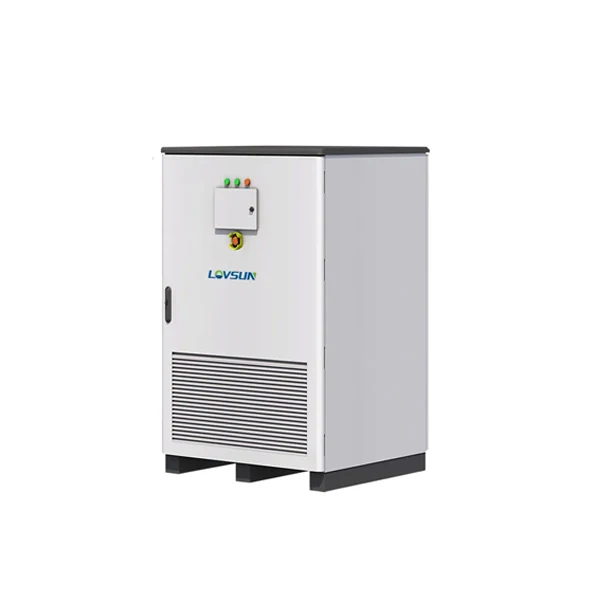 Lovsun 100KWH+50KW All-in-one Outdoor ESS Cabinet
50 kW / 100 kWh
View Product →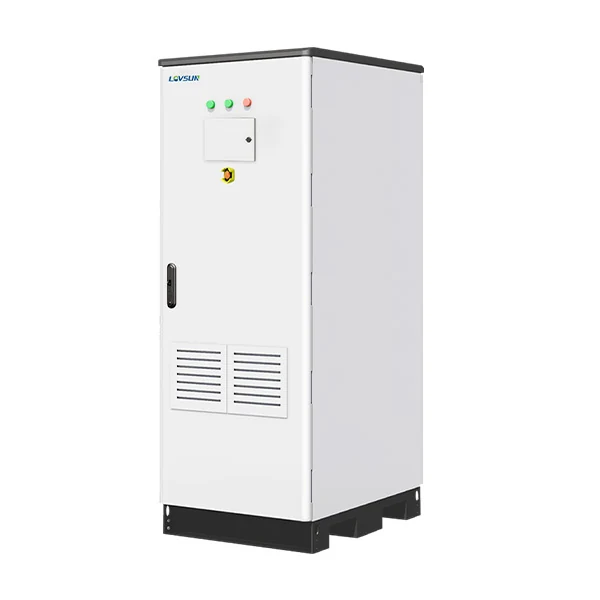 50KWH/60KWH-30KW All in One Ess Outdoor Cabinet
30 kW / 50-60 kWh
View Product →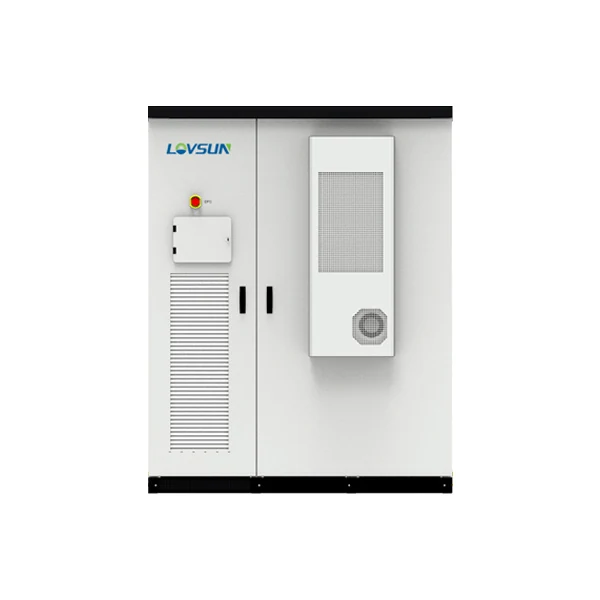 ECube100TD215A 100kW 215kWh Air Cooling BESS Cabinet
100 kW / 215 kWh
View Product →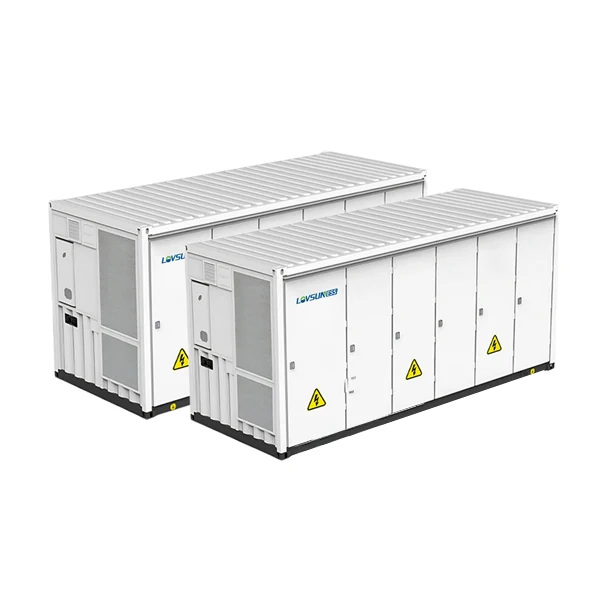 ECube3421/5015TL 3421/5015kWh Liquid Cooling BESS Container
5015 kWh
View Product →Background For This Specification Decision
How thermal design affects cell temperature spread, and why that spread - not peak temperature - drives uneven ageing across a pack.
Read the guide →Installation GuideBESS Site Requirements and Shipping PreparationWhat a site needs ready before a containerised or cabinet storage system arrives, and what the shipment itself requires.
Read the guide →FAQ ArticleBattery Certifications Explained For Export BuyersWhat UN38.3, IEC62933, UL9540 and the CE marking each cover, and which one your shipment or your grid connection actually needs.
Read the guide →Factories, warehouses, cold stores and commercial campuses where the electricity bill is driven as much by demand charges as by consumption.
See the application →Utility Scale and Grid Side ProjectsGrid-connected storage and generation projects where the equipment is assessed on certification, dispatch behaviour and long-term degradation.
See the application →EV Charging and Mobile PowerCharging hubs and temporary power sites where the peak draw of simultaneous sessions exceeds what the local grid connection can supply.
See the application →Request A Quote For Energy Storage Mobile Charging Vehicle 1488kWh/2239kWh
Tell us the quantity, the destination market and the application. We reply within 12 hours with lead time, certification and pricing.