

LiFePO4 vs Lead Acid For Solar Storage
Why a lead-acid bank has to be specified two to three times larger for the same usable energy, and what that does to the total cost over ten years.
Usable capacity is not nameplate capacity
A lead-acid bank is normally held to a shallow depth of discharge to protect cycle life, so only part of the nameplate is available in practice. LiFePO4 tolerates a much deeper working range, which is why a lithium bank with a smaller nameplate can deliver more usable energy than a larger lead-acid one. Compare usable kWh, not rated kWh, when the two are quoted against each other.
Cycle life decides the replacement interval
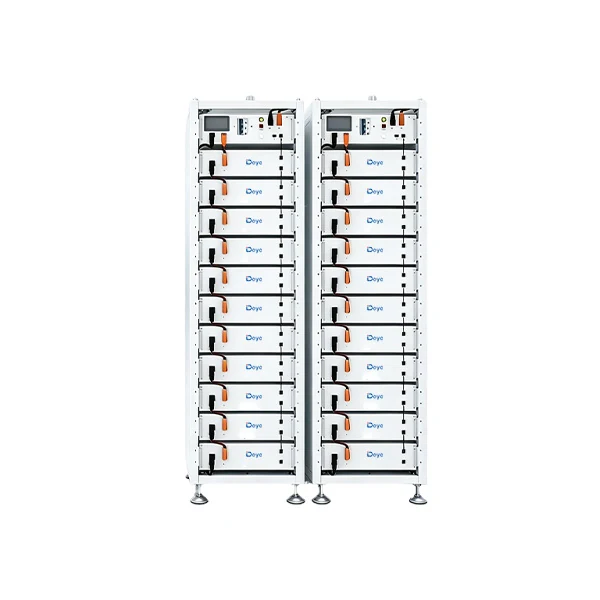
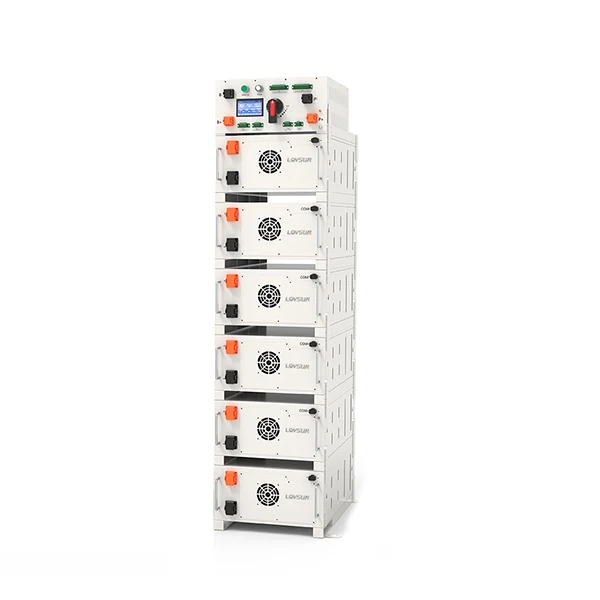
Cycle life is the figure that turns a purchase price into a cost per kWh cycled. Our rack batteries state their cycle life at a defined depth of discharge in the specification table - insist on the same qualifier from any supplier, because a cycle count quoted without a depth of discharge is not comparable.
Maintenance, ventilation and siting
Flooded lead-acid needs electrolyte maintenance, equalisation charging and a ventilated space. LiFePO4 needs none of those, which removes a room, a ventilation system and a recurring maintenance task from the project scope.
Where lead-acid still makes sense
Short-duty standby applications with very few cycles, where the low purchase price is not eroded by replacement, remain a reasonable case for lead-acid. Daily cycling solar storage is not that case.
Equipment Referenced Above

Questions About This Guide
Can you advise on our specific project
Where can I get the datasheet for the products mentioned here
Do you ship to our country
Apply This To Your Own Project
Send the site details, the load profile and the destination market. Our engineers will answer against your numbers rather than typical ones.