
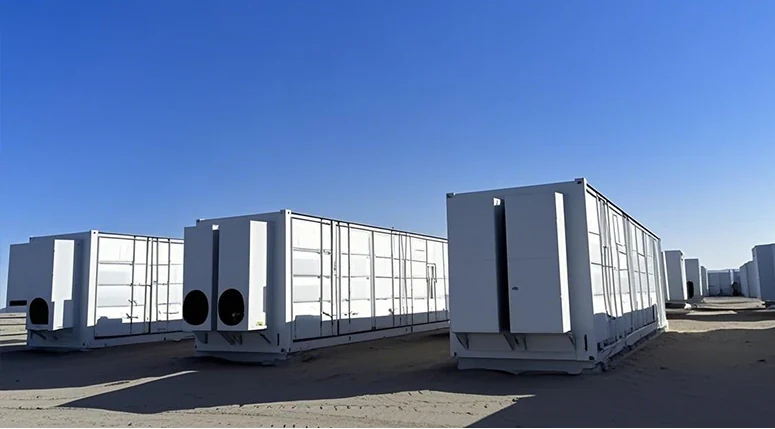
Peak Shaving and Demand Charge Reduction
On most commercial and industrial tariffs, a few fifteen-minute intervals each month set a charge that applies to the whole month. Storage that discharges into those intervals attacks a billing line item directly, which makes the payback arithmetic simpler than a generation estimate.
What Goes Wrong At Each Stage And What We Do About It
- 1
Load analysis
The problem. Systems sized from connected load are either too small to clip the peaks or too large to pay back.
How we handle it. We size from twelve months of interval meter data where it exists, and from billing history where it does not, so the power and energy ratings are set against the actual demand curve.
- 2
System selection
The problem. The power rating and the energy rating pull in different directions - short sharp peaks need power, long plateaus need energy.
How we handle it. Cabinet and container formats are quoted across a range of power-to-energy ratios so the configuration matches the shape of the site's peaks.
- 3
Grid compliance
The problem. Connection approval stalls when the protection scheme and export behaviour are not documented.
How we handle it. Grid code and AC configuration are set for the destination market before production and documented for the connection application.
- 4
Installation
The problem. On-site integration of cells, converter and cooling is the longest item on the critical path.
How we handle it. Systems ship pre-integrated and factory-tested, so site work is foundation, cabling and commissioning.
- 5
Dispatch tuning
The problem. A storage system that discharges at the wrong time saves nothing.
How we handle it. We set the dispatch schedule against the tariff structure at commissioning and review it against the first billing cycles.
Products Used In This Solution
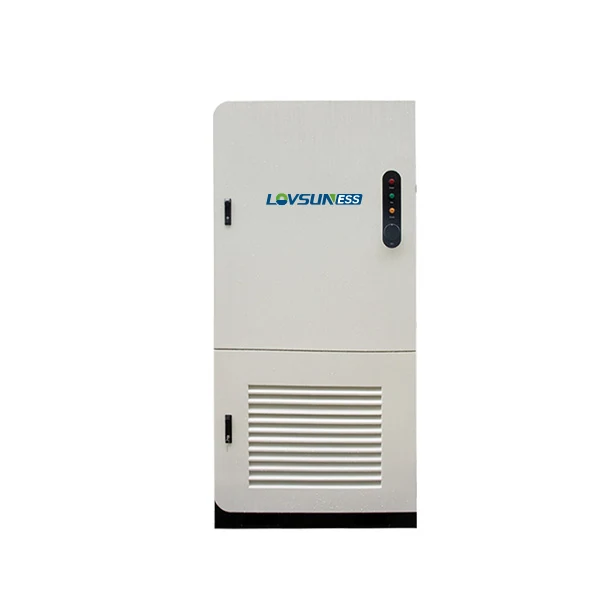 BESS Power Storage ContainersAll in One 125kw 261kwh IP54 Liquid Cooling ESS Cabinet
125 kW / 261 kWh
View Product →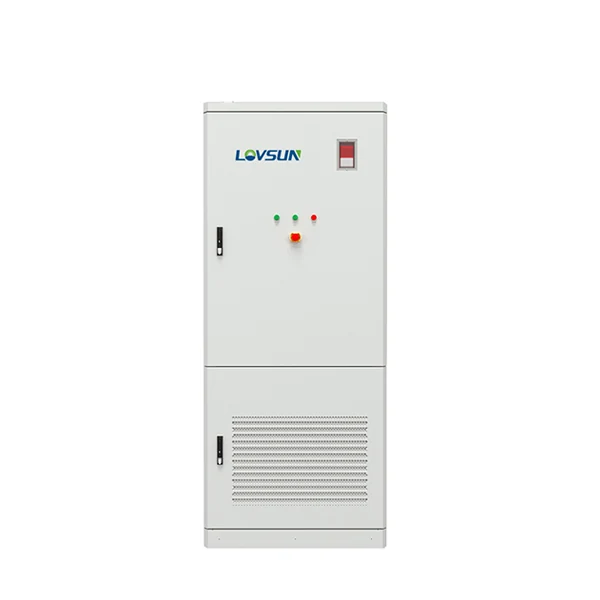 BESS Power Storage ContainersAll in One 125kw 261kwh IP55 Liquid Cooling ESS Cabinet
125 kW / 261 kWh
View Product →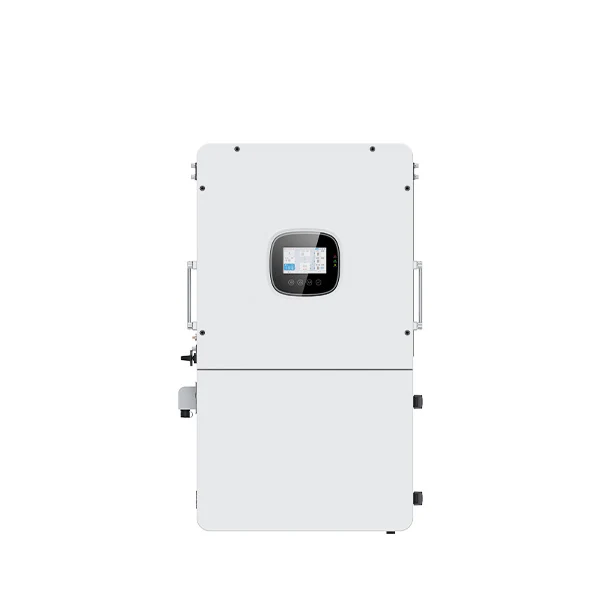 Solar Inverters and PCSLovsun US Version 3 Phase Hybrid Solar Inverter 14-18KW
14-18 kW / Three phase
View Product →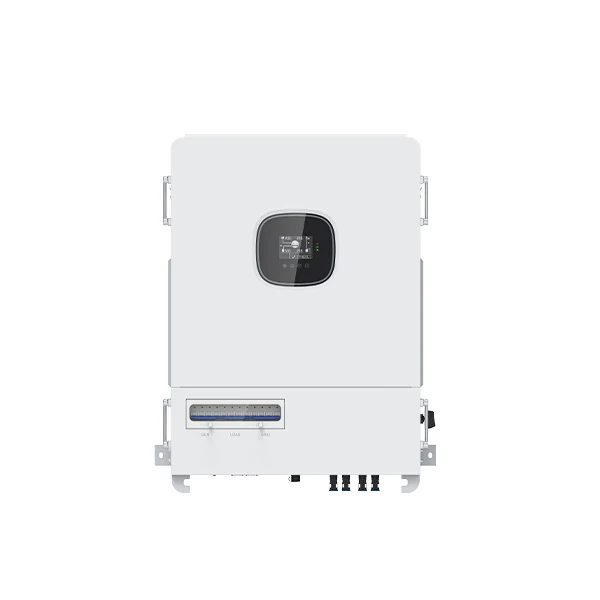 Solar Inverters and PCSLovsun 3 Phase Off Grid Solar Inverter 20kW
20 kW
View Product →Sites This Solution Is Built For
Factories, warehouses, cold stores and commercial campuses where the electricity bill is driven as much by demand charges as by consumption.
See the application →EV Charging and Mobile PowerCharging hubs and temporary power sites where the peak draw of simultaneous sessions exceeds what the local grid connection can supply.
See the application →Peak Shaving and Demand Charge Reduction - Project Questions
What information do you need to quote this
How long does a project like this take
Do you work with our EPC or installer
Can the system be expanded later
Start With The Site Data Not The Product List
Load profile or billing history, site drawings, destination grid standard and the outcome you are targeting. With those four we can return a configured design.