

Hybrid On Grid and Off Grid Inverters Compared
What each inverter type does, what it cannot do, and which one a grid connection application will accept.
On-grid inverters
A grid-tied string inverter converts PV to AC and exports to the utility. It has no battery port and no backup capability - when the grid fails, anti-islanding protection shuts it down. It is the cheapest path per kW where export is the whole business case.
Off-grid inverters
An off-grid inverter runs loads from PV and battery with no utility connection, usually with a generator input for extended low-generation periods. It does not export, so it needs the battery and the load management that a grid-tied system offloads to the utility.
Hybrid inverters
A hybrid unit does both: PV input, battery charge and discharge, grid import and export, and backup switchover from one device. One conversion stage means one set of wiring, one monitoring platform and one warranty, at the cost of less freedom to mix brands later.
What the grid connection application cares about
Most utility approvals turn on three settings: anti-islanding, export limitation and reactive power control. Confirm the destination country and utility with your enquiry and the unit ships configured for that grid code rather than being reconfigured on site.
Equipment Referenced Above
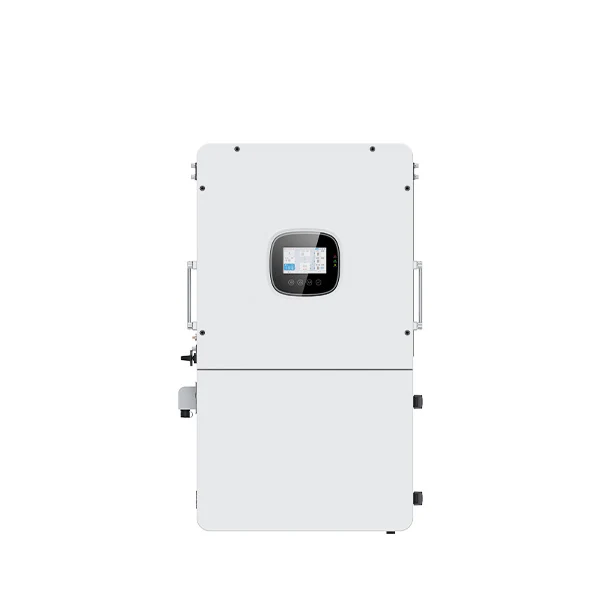 Solar Inverters and PCSLovsun US Version 3 Phase Hybrid Solar Inverter 14-18KW
14-18 kW / Three phase
View Product →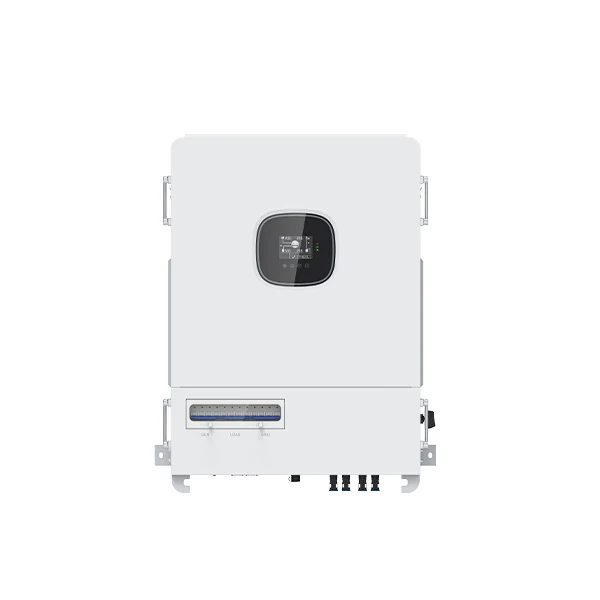 Solar Inverters and PCSLovsun 3 Phase Off Grid Solar Inverter 20kW
20 kW
View Product →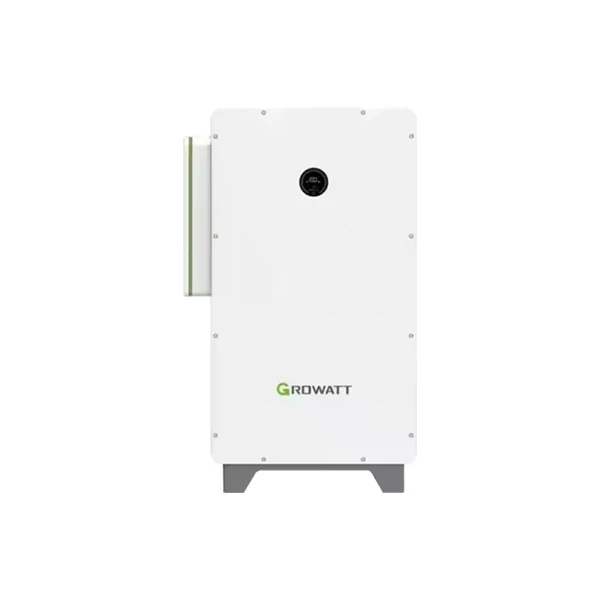 Solar Inverters and PCSGrowatt WIT50-100K-HU Three Phase Hybrid Inverter 50-100kW
50-100 kW / Three phase
View Product →Product Families And Applications Covered Here
Questions About This Guide
Can you advise on our specific project
Where can I get the datasheet for the products mentioned here
Do you ship to our country
Apply This To Your Own Project
Send the site details, the load profile and the destination market. Our engineers will answer against your numbers rather than typical ones.