
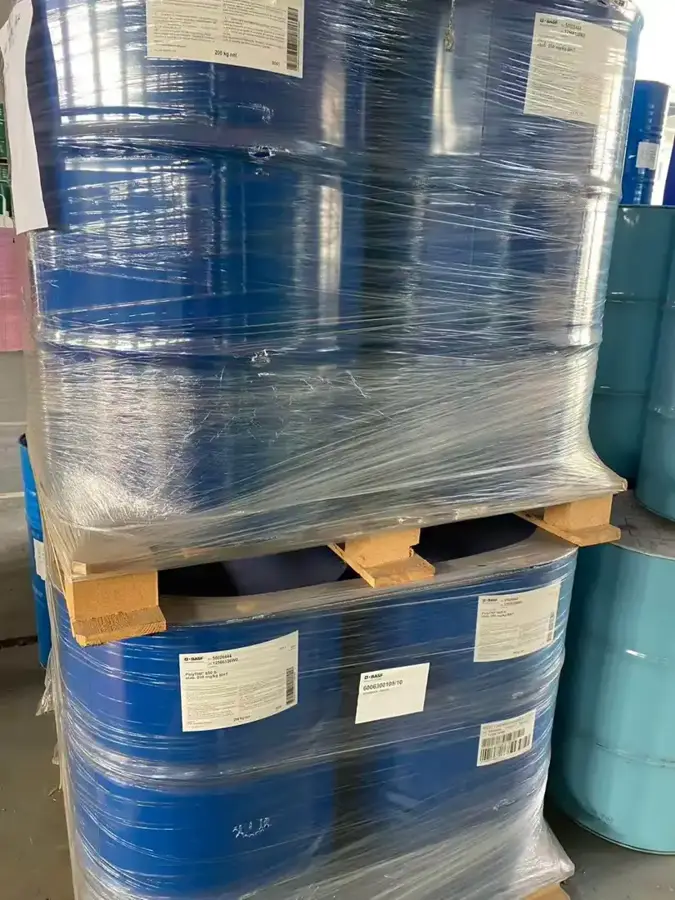
Epoxy Resins
Bisphenol A bisphenol F o-cresol and phenolic modified grades in one table
What This Product Is and Who Buys It
This portfolio covers bisphenol A, o-cresol novolac, phenolic modified and bisphenol F epoxy resins across a broad range of epoxy equivalent weights and softening points. Twenty nine grades are listed with EEW, Gardner colour, viscosity and softening point, so the specification can be checked before a purchase order is raised.
Key Benefits
- Precisely controlled epoxy equivalent weight rather than a nominal figure
- Low colour and consistent batch to batch quality
- Available in liquid, semi solid and solid forms
- Low total chlorine grades at 1500 ppm or below for electronic work
Where This Material Is Used
Who It Is For
- Protective and industrial coating producers
- Electronic encapsulation and CCL manufacturers
- Composite and moulding compound makers
- Powder coating and coil coating formulators
Problems It Solves
- Liquid resin crystallising in an unheated warehouse and needing remelting
- Total chlorine content too high for fine pitch electronic applications
- Laminate systems needing higher thermal and chemical resistance than standard bisphenol A delivers
Technical Features
- Bisphenol A liquid grades NPEL-127 to NPEL-134 and solid grades NPES-901 to NPES-909
- Low crystallisation NPEL-128R and non crystallising NPEL-128S
- Xylene diluted grades NPSN-301X75, NPSN-901X75 and NPSN-134X80
- o-Cresol novolac NPCN-701 to NPCN-704L and bisphenol F NPEF-170, NPPN-638S and NPPN-631
Specifications
These figures are the manufacturer grade data as published for this product family. Anything not listed below has not been confirmed and is marked TBC on request rather than estimated.
| Resin Type | Grade | EEW (g/eq) | Color (G) Max | Viscosity @25°C (cPs) | Softening Point (°C) | Key Features | Applications |
|---|---|---|---|---|---|---|---|
| Bisphenol A Epoxy Resin | NPEL-128 | 184–190 | 1 | 12,000–15,000 | — | Standard BPA epoxy resin | Civil engineering, coatings, adhesives |
| NPEL-128E | 184–190 | 1 | 12,000–15,000 | — | Standard electronic grade epoxy | Electronics, electrical | |
| NPEL-128G | 184–190 | 1 | 12,000–15,000 | — | Low total chlorine (≤1500 ppm) | Electronics | |
| NPEL-128R | 184–194 | 1 | 12,000–15,000 | — | Low crystallization | Civil, coatings, adhesives | |
| NPEL-128S | 205–275 | 1 | 19,000–24,000 | — | Non-crystallizing | Civil, coatings, adhesives | |
| NPEL-127 | 176–184 | 1 | 8,000–11,000 | — | Standard low viscosity | Civil, coatings, adhesives, potting | |
| NPEL-134 | 210–220 | 1 | Semi-solid | — | High-performance base epoxy | Coatings, potting, adhesives | |
| NPSN-301X75 | 450–500 | 1 | 6,000–14,000 | — | Xylene diluted | Coatings | |
| NPSN-901X75 | 450–500 | 1 | 800–15,000 | — | Xylene diluted | Coatings | |
| NPSN-134X80 | 230–270 | 1 | 800–1,400 | — | 80% xylene solution | Coatings | |
| NPES-609 | 2400–3000 | 1 | — | 135–150 | Flexible type | Coil, can, baking coatings | |
| NPES-901 | 450–500 | 1 | D–F | 64–74 | — | Coatings, laminates | |
| PES-902 | 600–650 | 1 | 1–M | 82–92 | — | Coatings | |
| NPES-903 | 700–750 | 1 | N–R | 90–98 | — | Powder coatings | |
| NPES-903H | 740–800 | 1 | P–S | 92–100 | — | Powder coatings | |
| NPES-904 | 780–850 | 1 | S–W | 96–107 | — | Powder & PU coatings | |
| NPES-907 | 1500–1800 | 1 | Z–Z2 | 120–130 | — | Can & baking coatings | |
| NPES-909 | 1800–2500 | 1 | Z3–Z5 | 130–150 | — | PCM, can, baking coatings | |
| o-Cresol Epoxy Resin | NPCN-701 | 190–215 | 3 | — | 60–64 | o-Cresol epoxy | Composites, coatings, molding |
| NPCN-702 | 190–215 | 3 | — | 65–74 | o-Cresol epoxy | Composites, coatings, molding | |
| NPCN-703 | 195–225 | 5 | — | 75–85 | o-Cresol epoxy | Composites, coatings, molding | |
| NPCN-704 | 200–230 | 5 | — | 85–95 | o-Cresol epoxy | Composites, coatings, molding | |
| NPCN-704L | 200–210 | 5 | — | 82–90 | o-Cresol epoxy | Composites, coatings, molding | |
| Solid Phenolic Epoxy Resin | QS-901PN | 500–580 | — | — | 80–90 | Phenolic modified solid epoxy | — |
| QS-903PN | 750–850 | — | — | 105–120 | Phenolic modified solid epoxy | — | |
| Bisphenol F Phenolic Epoxy | NPEF-170 | — | 3 | 2000–5000 | 160–180 | Standard grade | Electronics, electrical |
| NPPN-638S | — | 3 | Semi-solid | 170–190 | High thermal & chemical resistance | Laminates, filament winding | |
| NPPN-631 | — | 2 | 1100–1700 @52°C | 158–178 | High thermal & chemical resistance | Laminates, filament winding |
Grades listed are representative and not exhaustive. Ask for the batch certificate of analysis on the grade you intend to buy.
Packaging Storage and Shelf Life
- Physical Forms
- Liquid, semi solid and solid grades, plus xylene diluted solutions
- Storage
- Cool dry storage; low crystallisation grades are available where warehouse temperature cannot be controlled
- Packaging
- Contact us for the drum format available on the grade you select
- Certification
- Batch certificate of analysis with EEW and colour supplied with shipment
How to Work With This Product
- Fix the epoxy equivalent weight first, since it sets hardener stoichiometry
- For liquid grades work from the viscosity figure at 25 degrees C; for solid grades work from the softening point
- Specify NPEL-128G if total chlorine below 1500 ppm is required
- Choose NPEL-128R or NPEL-128S if the resin will be stored below room temperature
- Match the hardener family: imidazole grades for one component heat cure, polyetheramine for ambient cure
How It Compares
Within the Epoxy Resin category this product is positioned by the numbers in the table above rather than by a marketing claim. Compare NCO content, viscosity, equivalent weight or hydroxyl value against the alternative you are considering, and if the two are close, ask us for both samples and decide on your own line.
Quality and Documentation
Quality control runs across incoming raw materials, production and finished product inspection. A batch certificate of analysis is supplied with every shipment. We are a supply and trading company working with named manufacturers and OEM partners, so certification held by the producing plant is provided on request per grade rather than claimed here as ours.
Customisation
Customised grades and packing formats are available through our OEM partners and specialised manufacturing facilities. Tell us the property you need to move and we will say whether it is a grade change, a packaging change or not possible.
Industries Using This Product
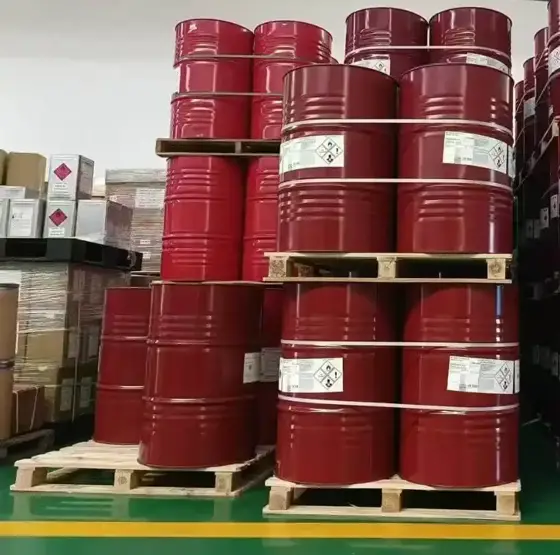
Protective coatings are bought on service life. The raw material decisions behind them are about crosslink density, film flexibility and how the system behaves once VOC limits tighten.
See Applications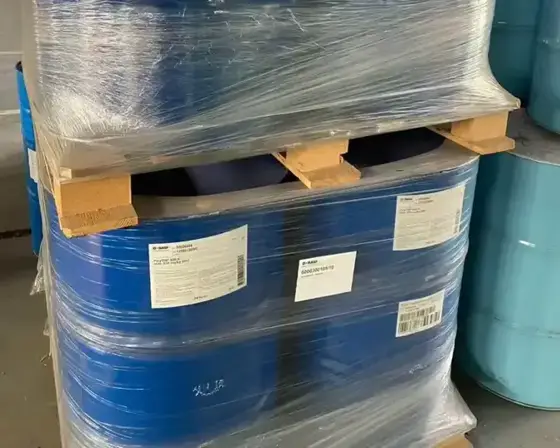
Electronic materials fail on impurities long before they fail on mechanical properties. Total chlorine, colour and latency matter more here than headline strength figures.
See ApplicationsWhere This Product Fits In A Wider System
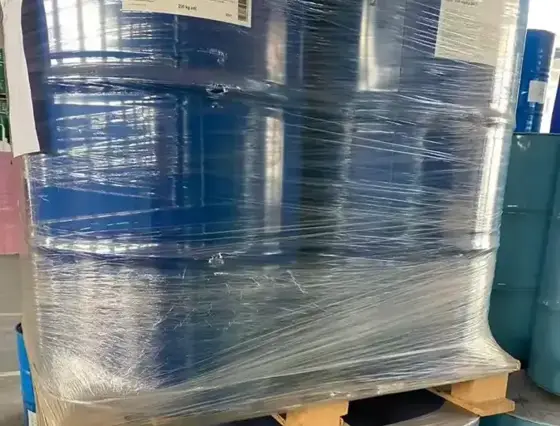
Epoxy work is resin plus hardener plus cure schedule. Changing any one of the three changes the other two, so we specify them together.
See The Process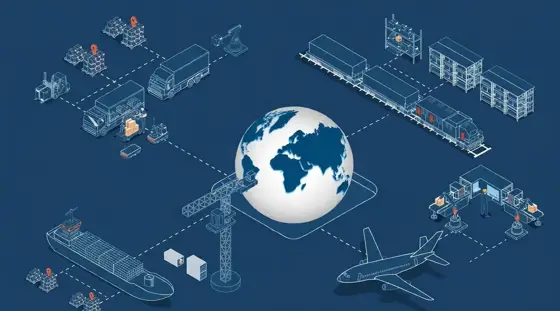
Regulated chemical raw materials are not hard to buy. They are hard to buy repeatedly, on time, with documentation that clears customs the first time.
See The ProcessEpoxy Resins Questions
What is the standard liquid grade?
NPEL-128 at 184 to 190 g/eq EEW, Gardner colour 1 and 12,000 to 15,000 cPs at 25 degrees C. It is used across civil engineering, coatings and adhesives.
Which grade should I use for electronics?
NPEL-128E is the standard electronic grade. NPEL-128G is the low total chlorine version at 1500 ppm or below, which is the one to specify for fine pitch work.
What can I do about crystallisation?
Specify NPEL-128R, a low crystallisation grade at 184 to 194 g/eq, or NPEL-128S, a non crystallising grade at 205 to 275 g/eq and 19,000 to 24,000 cPs.
Which grades suit powder coatings?
NPES-903 at 700 to 750 g/eq, NPES-903H at 740 to 800 g/eq and NPES-904 at 780 to 850 g/eq, with softening points from 90 to 107 degrees C.
What is available for high temperature laminates?
Bisphenol F and phenolic novolac grades NPPN-638S and NPPN-631, both listed for high thermal and chemical resistance in laminates and filament winding.
Products Often Bought Alongside This One
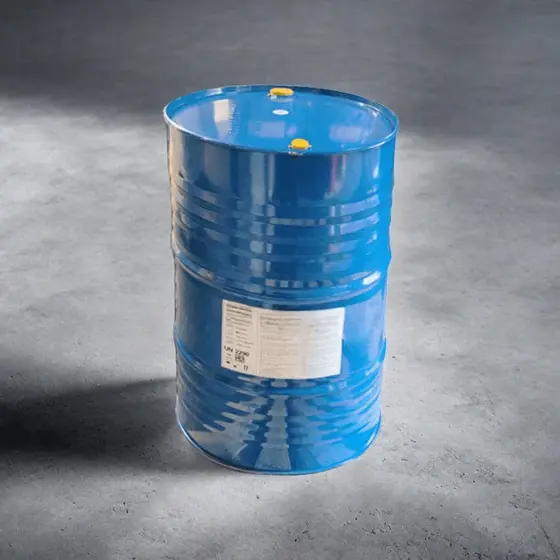
Latent catalysts for one component epoxy with 26 grades by activation temperature
View Specifications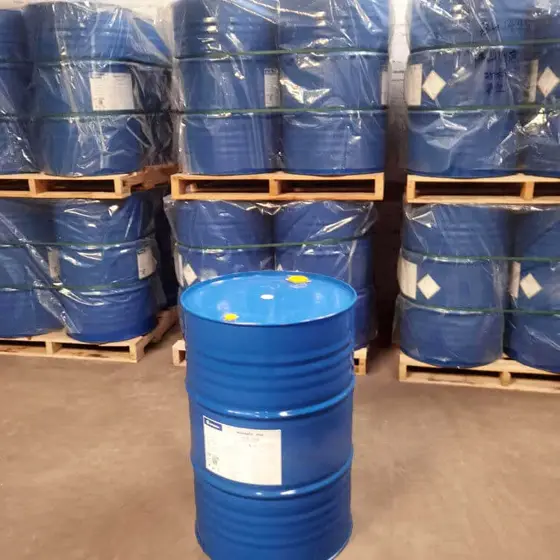
Low viscosity amine hardeners that toughen epoxy without blushing
View Specifications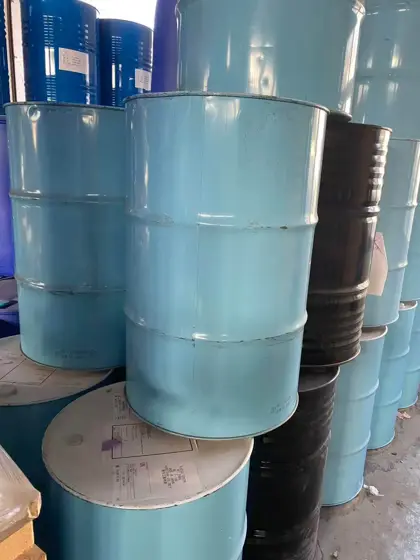
Diols triols tetrols and modified grades from 300 to 10000 molecular weight
View Specifications
High purity BDO at 99.8 percent with matched amine catalysts
View SpecificationsGuides That Cover This Product
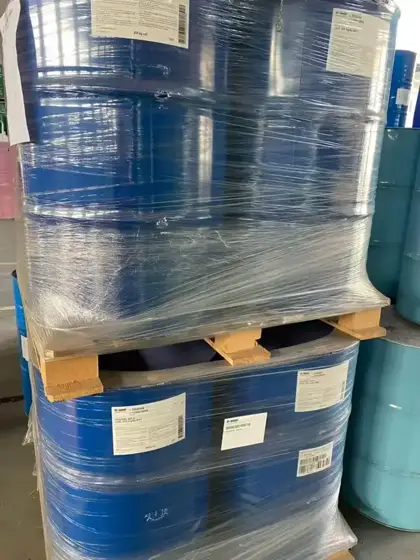
EEW, colour, viscosity and softening point are the four numbers that decide whether a resin grade fits your process.
Read The GuideLatency is the whole point. This guide explains what melting point and activation temperature tell you about shelf life and cure schedule.
Read The GuideAmine hydrogen equivalent weight and molecular weight explain almost everything about how a polyetheramine will behave in your system.
Read The GuideRequest a Quote or a Sample of Epoxy Resins
Samples take about 7 days and are free of charge with shipping at your cost. Production orders ship 20-30 days after the deposit is received.