
Freestanding Vs. Countertop Wine Racks: Which Is Better for Your Business?
Compare freestanding and countertop wine racks by space use, bottle capacity, stability, and shipping. Practical guidance for bars, liquor stores, and superma
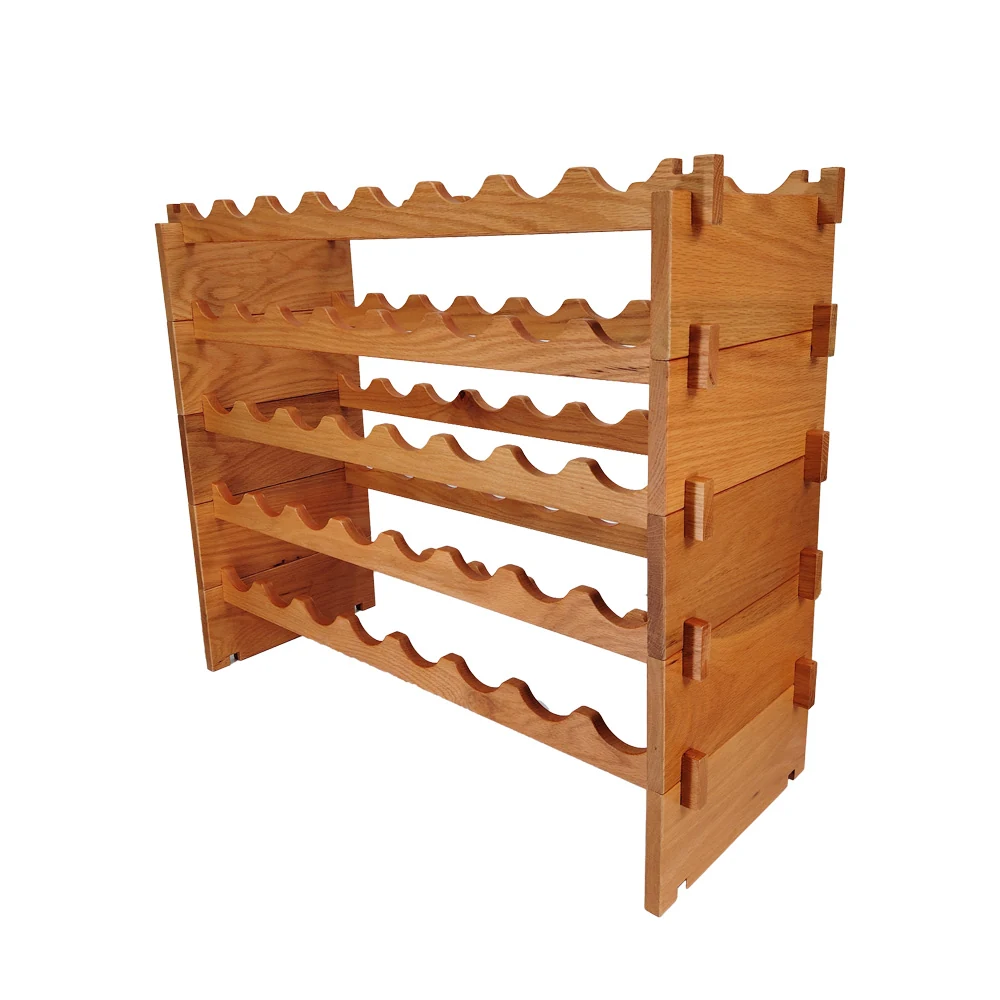
Space and Customer Flow Determine the Right Type
Freestanding racks occupy floor space and work best in open areas like supermarket aisles or liquor store entrances. Countertop racks fit on existing surfaces and are ideal for tight spaces like bar counters or checkout islands. The choice affects how customers approach the product and how staff access it for restocking.
Bottle Capacity and Visibility Are Key Trade-offs
Freestanding racks hold more bottles and allow full front visibility, which helps drive impulse buys. Countertop racks have limited capacity but keep bottles at eye level on a surface, making them easier to access during service. The number of bottles per display is fixed by the design and must be confirmed early.
Installation and Stability Matter in High-Traffic Areas
Freestanding racks must be stable enough to resist tipping from customer contact or staff movement. They are often anchored to the floor or weighted at the base. Countertop racks rely on secure mounting to the counter surface and must not shift during use. Both types need structural integrity tested before production.
Material and Finish Affect Longevity in Store Use
Metal frames with powder coating resist scuffing from bottles being moved and survive repeated handling. Wood or acrylic surfaces can be damaged by moisture or heavy use. UV printing on metal or acrylic ensures branding remains clear over time, even in high-traffic zones.
Custom Dimensions Are Built Into the Design Phase
Height, depth, number of bottle slots and footprint are all defined during the design stage. Adjustments to these dimensions affect structural strength, shipping volume and cost. Changes made late in the process increase risk and delay.
Flat-Pack Design Reduces Freight Cost and Risk
Both freestanding and countertop racks can be designed to knock down into flat panels. This reduces ocean freight cost and protects the display during shipping. The joint design must allow for easy assembly on site and maintain rigidity after setup.
Fixtures This Guide Applies To
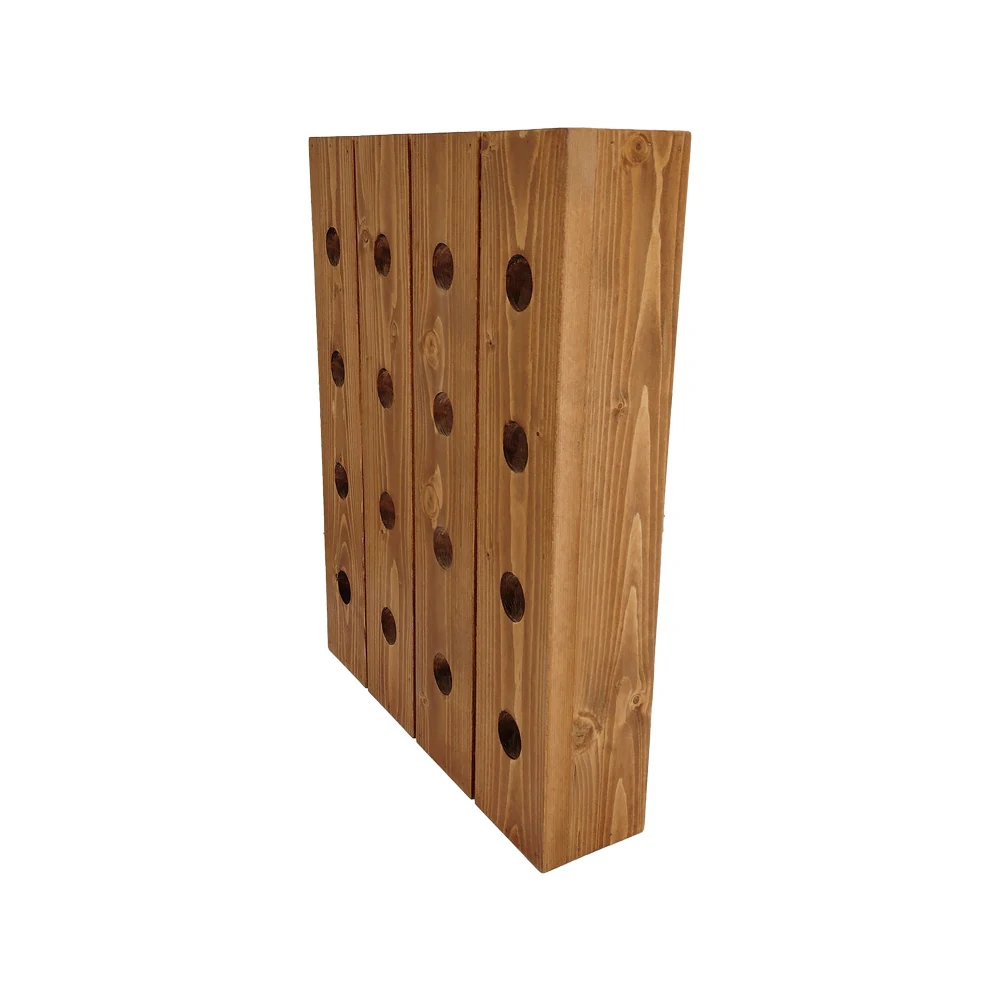
Rustic Solid Wood Wall Wine Rack
A rustic wall-mounted wine rack crafted from solid wood, designed for a cozy, organic retail or home…
View Product →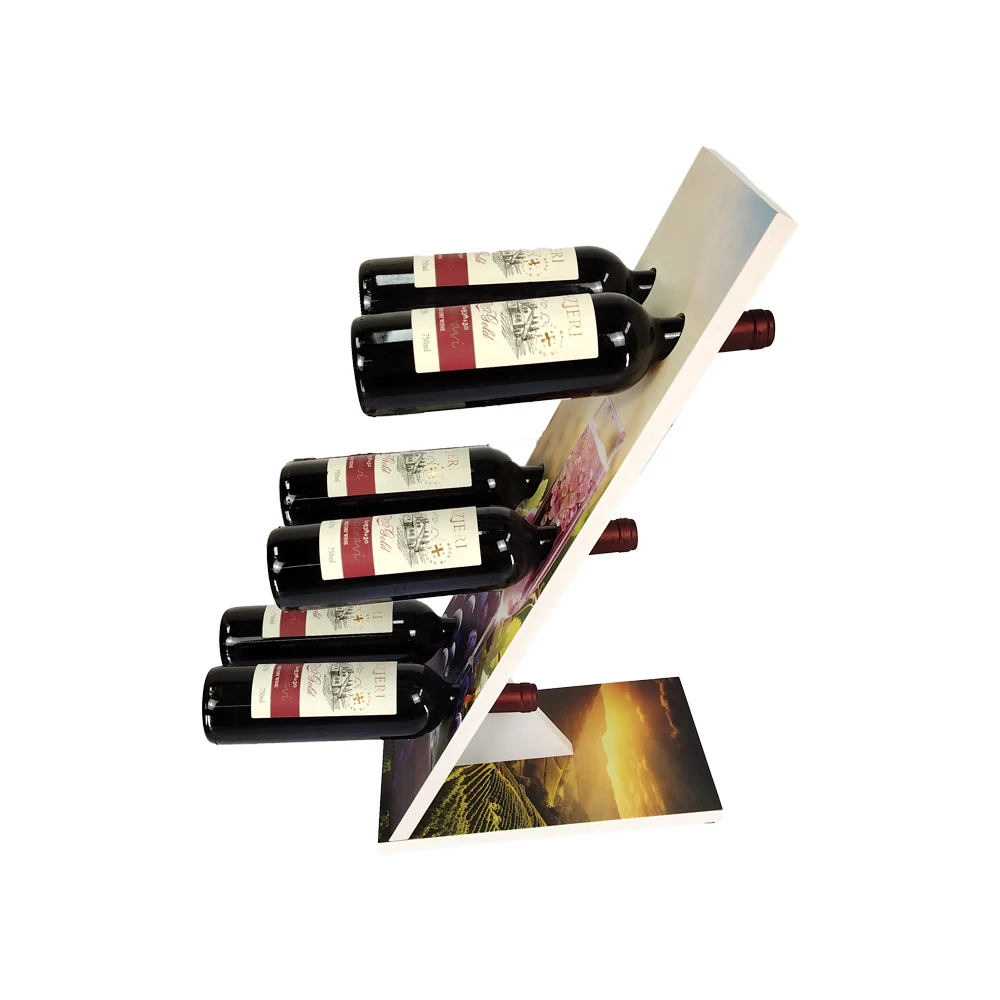
Custom Wine Rack for Retail Display
A wine rack designed for retail and in-store display, built to hold bottles on their sides to maintain…
View Product →Wine Rack with 60 Bottle Capacity
A wine rack with two horizontal boards and ten notches per board, designed to store or display up to 60…
View Product →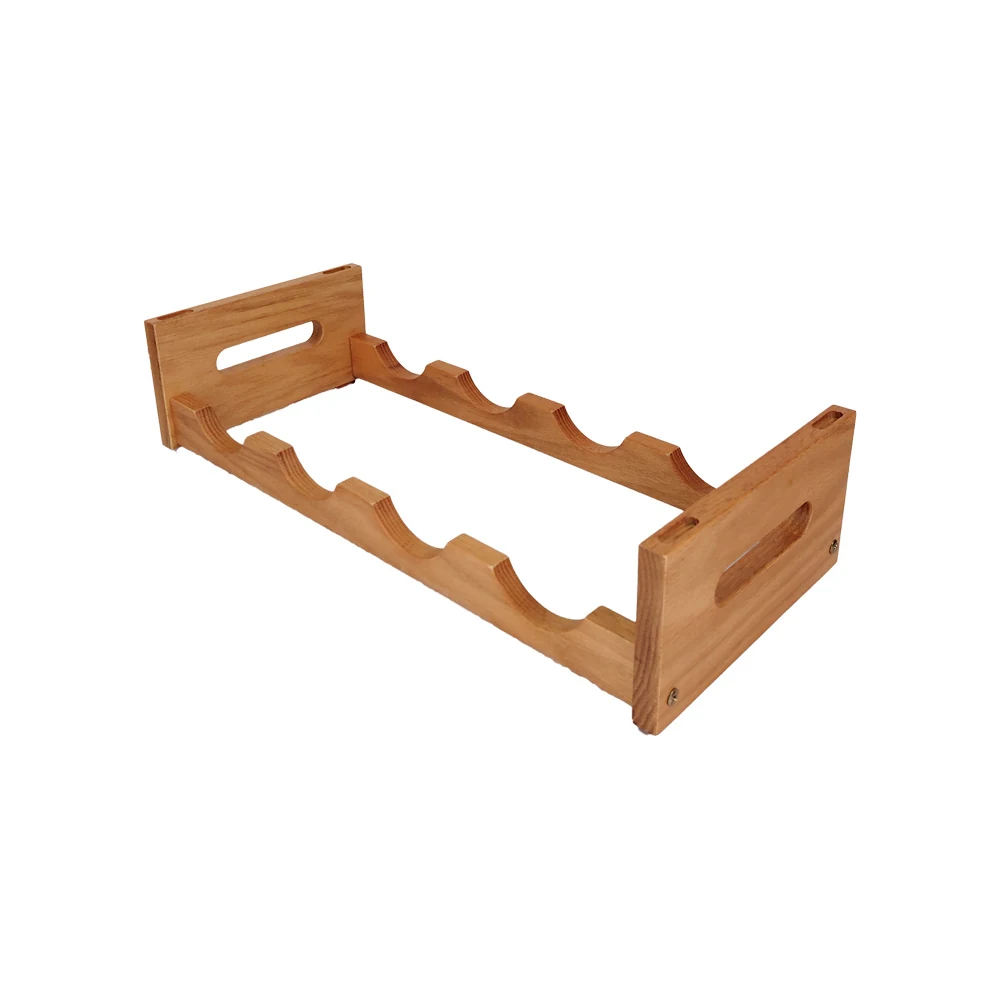
Stackable Acacia Wood Wine Rack
A stackable wooden wine rack designed for home use, built to hold four bottles in a compact, vertically…
View Product →Questions From This Guide
Answers to the questions buyers ask before placing a first order.
Which type holds more bottles, freestanding or countertop?
Freestanding racks hold more bottles due to their larger footprint and vertical height. Countertop racks are limited by counter space and typically hold fewer bottles.
Can a freestanding rack be anchored to the floor?
Yes, freestanding racks can be designed with floor anchors or weighted bases to prevent tipping in high-traffic areas.
Is powder coating durable on metal wine racks?
Yes, powder coating provides a strong, even finish that covers cut edges and resists scuffing from bottles being moved in and out.
Can I customise the height and depth of the rack?
Yes, dimensions such as height, depth and number of bottle slots are customisable during the design phase to match your space and capacity needs.
Can the rack be shipped flat-packed?
Yes, both freestanding and countertop racks can be designed to knock down into flat panels for lower freight cost and safer shipping.
Specifying One of These Right Now
Send us the drawing or the reference and the quantity. You get a producible spec and a price rather than a brochure.