
Scanning Scanners
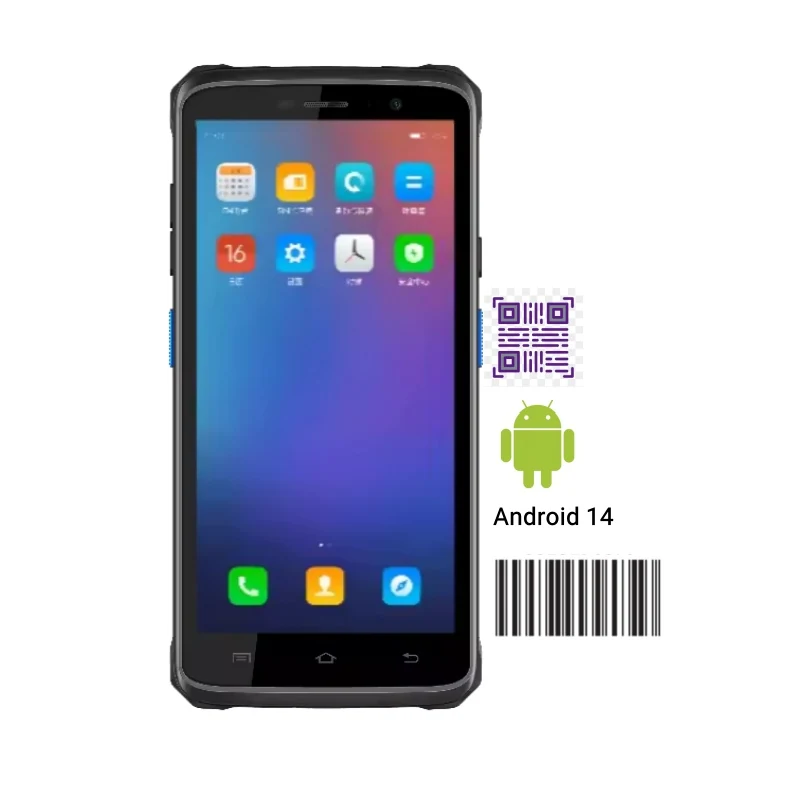
Android 14 Rugged Handheld PDA (GJY F20T)
A 5.45-inch IP67 mobile computer for teams that scan all shift, outdoors and in.
View specificationsGuide
What IP42, IP65 and IP67 actually promise, and what they do not.
In an IP rating the first digit is solids and the second is liquids. IP42 means protection against objects larger than 1mm and against dripping water at an angle. IP65 means dust-tight and protected against water jets. IP67 means dust-tight and protected against temporary immersion. The jump from IP42 to IP65 is far larger than the numbers suggest.
A counter scanner that will meet spilled coffee needs IP42 at most. A device going onto a loading dock in the rain needs IP65. A terminal that will be dropped into a puddle or hosed down needs IP67. Paying for IP67 at a dry till is waste; specifying IP42 for a yard is a replacement cycle.
A 1.5m drop rating means the unit survives falls from roughly working height onto a hard floor. A 1.2m rating covers a desk or counter fall. Sealing and drop resistance are independent — a sealed device can still crack, and a tough device can still ingress.
Cold-chain work is where standard hardware fails fastest. Ratings in this range run from -20°C to 60°C for general handhelds up to -30°C to 60°C for the cold-chain desktop readers. Condensation on the way out of the cold store is as damaging as the cold itself, which is why sealing and temperature rating have to be specified together.
State the lowest and highest temperature the device will see, the height it will fall from, and whether it will be washed down. Those three answers select the rating; everything else is preference.
Related hardware
Scanning Scanners
A 5.45-inch IP67 mobile computer for teams that scan all shift, outdoors and in.
View specifications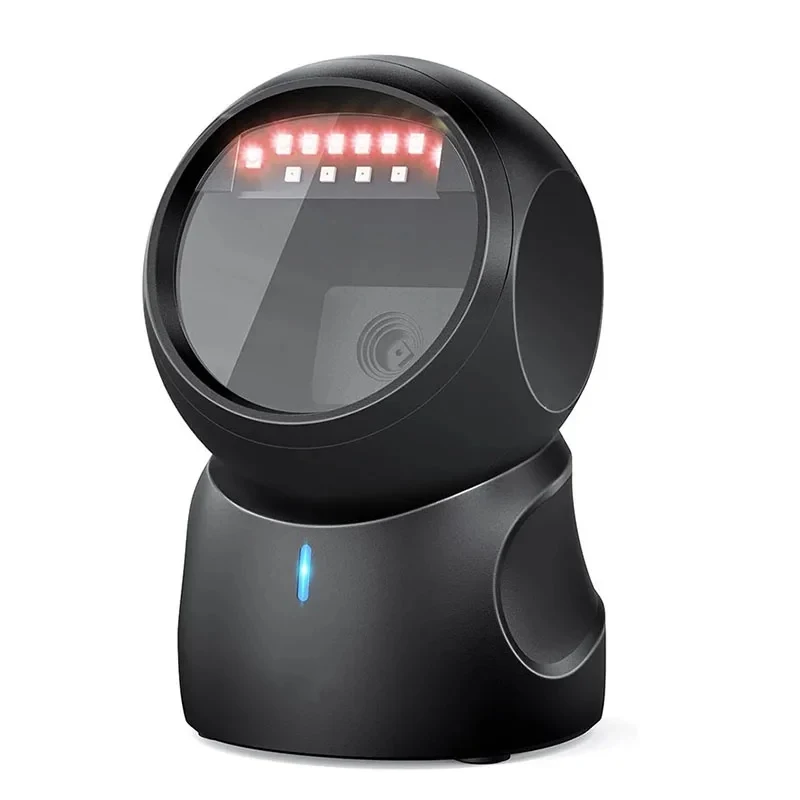
Platform Desktop Scanner
Rated from -30°C to 60°C, for scanning points inside the cold store.
View specifications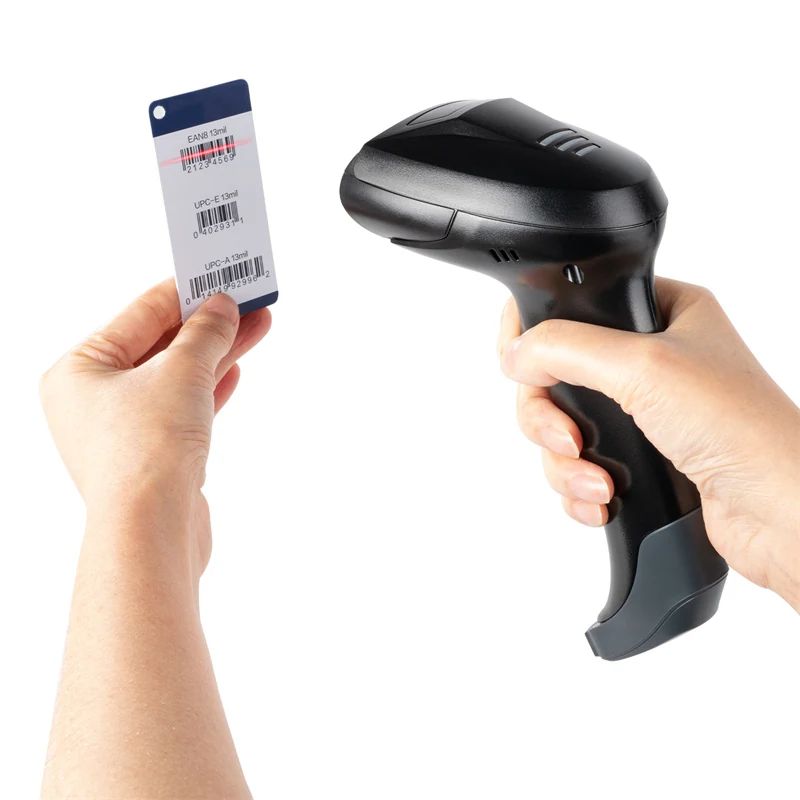
Handheld Scanning Gun
Up to 250m of communication range in open space, so the host stays where it is.
View specificationsIf this guide did not settle it, describe the position and we will answer with a specific model and the reason.