 Request A Quote
Request A Quote
Request A Quote

Two ways to fit an aftermarket head unit, and why one of them costs the vehicle owner money later.
Splicing into a factory loom saves the price of an adapter and costs the owner the ability to return the vehicle to standard. It also creates joints behind a dash panel where nobody can see them, which is where buzzing, phase errors and intermittent faults come from.
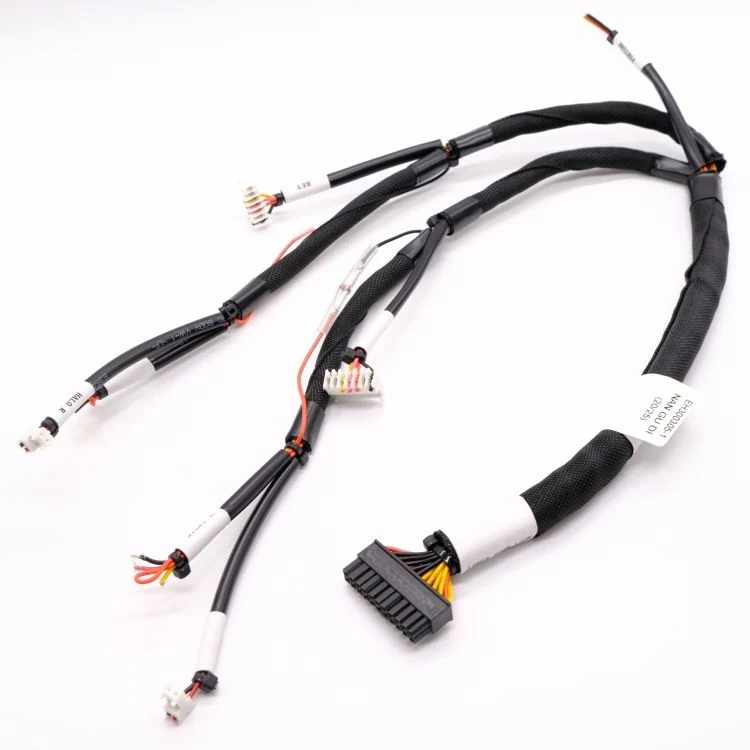
An ISO harness plugs between the vehicle block and the head unit. The factory loom stays uncut, the install is reversible, and speaker polarity follows the standard colour map instead of a fitter's judgement. For a workshop, the bay time saved on each install usually exceeds the part cost.
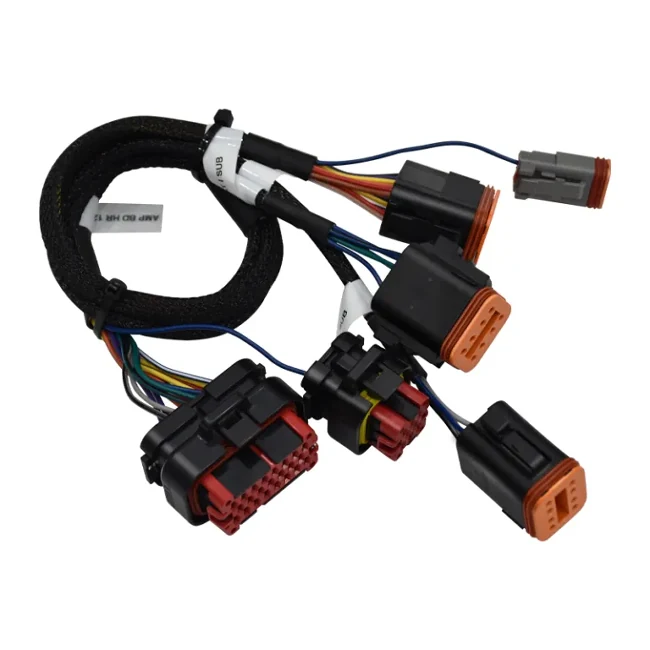
Some vehicles have a factory amplifier that has to keep working after the retrofit. A T harness taps the loom as a pass through, so the original amplifier circuits stay intact. On Jeep Wrangler and Chrysler applications this is the difference between an upgrade and a downgrade.
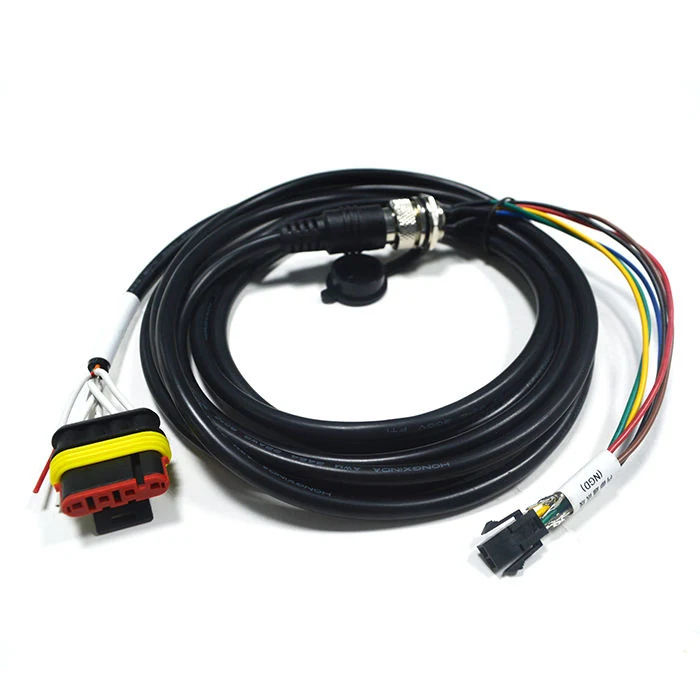
Vehicles outside the ISO standard, or fitted with a non standard aftermarket loom from a previous install, may have no block to adapt to. In those cases the honest answer is a custom harness built to the connector set that is actually in the vehicle.
Vehicle make, model and year, plus a photograph of the connector behind the head unit. That is usually enough for us to confirm which of the three routes applies.
 Automotive Wiring Harness
Car Stereo ISO Amplifier Board Wire HarnessISO amplifier board harness for aftermarket car audio installs
View Specifications
Automotive Wiring Harness
Car Stereo ISO Amplifier Board Wire HarnessISO amplifier board harness for aftermarket car audio installs
View Specifications
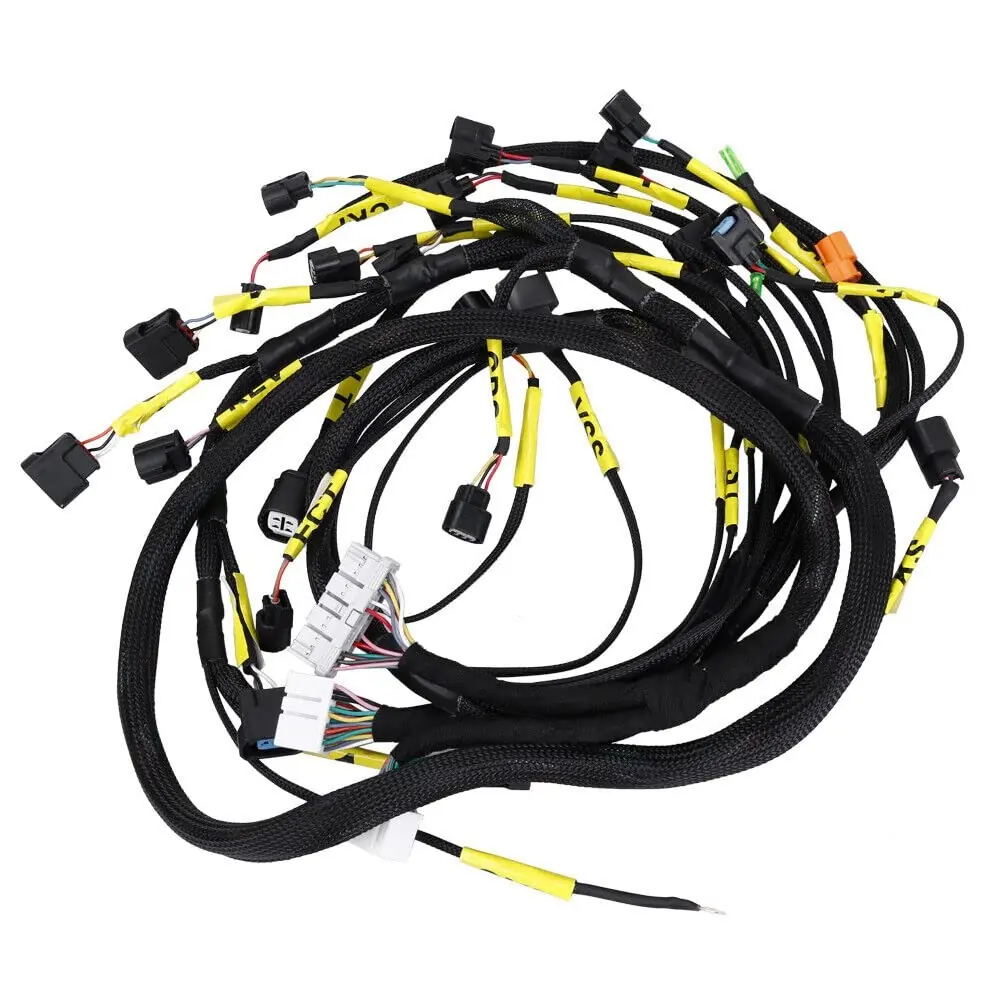 Automotive Wiring Harness
K20 K24 K-Series Tucked Engine HarnessTucked engine harness for Honda and Acura K-swap builds
View Specifications
Automotive Wiring Harness
K20 K24 K-Series Tucked Engine HarnessTucked engine harness for Honda and Acura K-swap builds
View Specifications
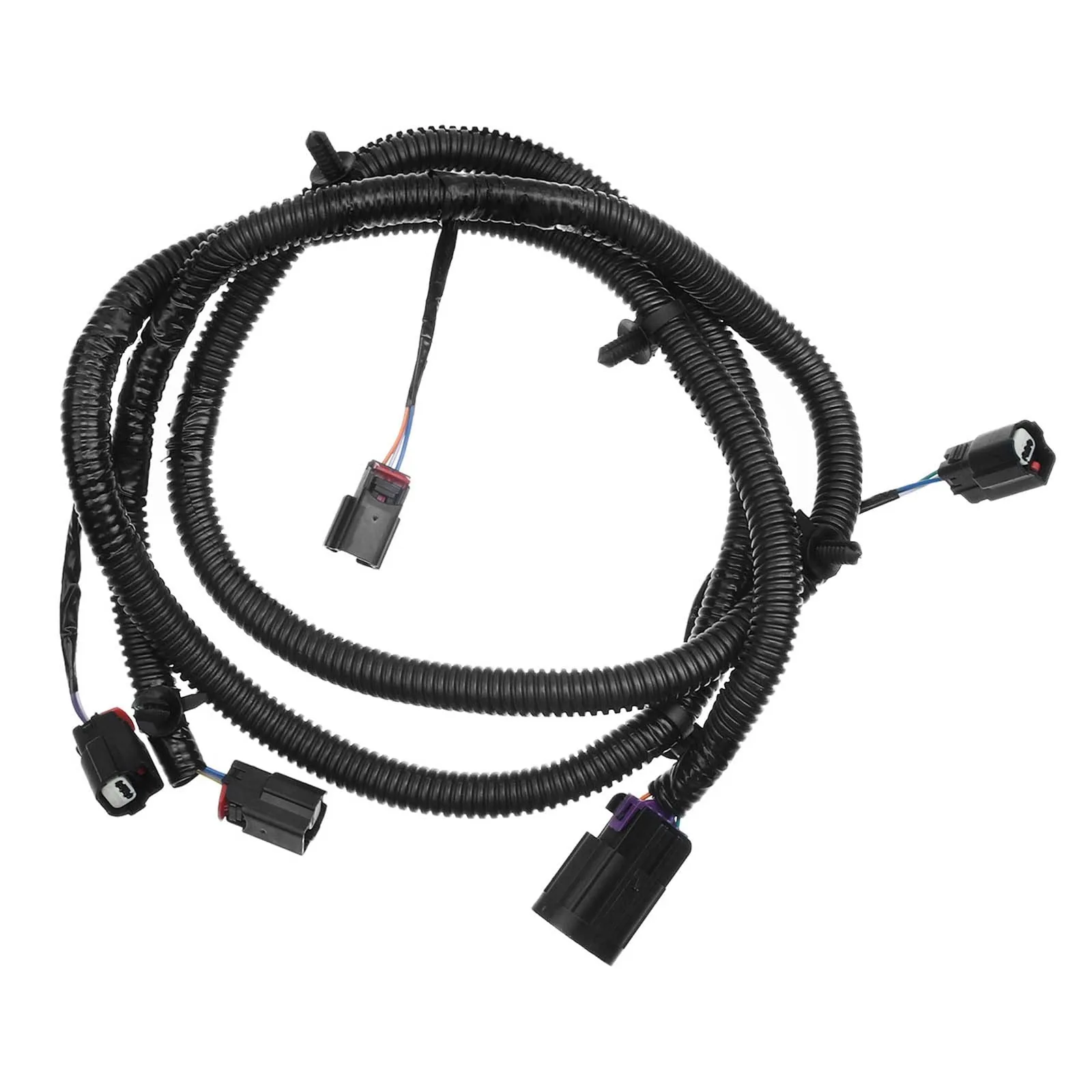 Automotive Wiring Harness
Rear Backup Sensor Wire Harness For Chevrolet And GMCReverse parking sensor harness for Suburban Tahoe and Yukon platforms
View Specifications
Automotive Wiring Harness
Rear Backup Sensor Wire Harness For Chevrolet And GMCReverse parking sensor harness for Suburban Tahoe and Yukon platforms
View Specifications
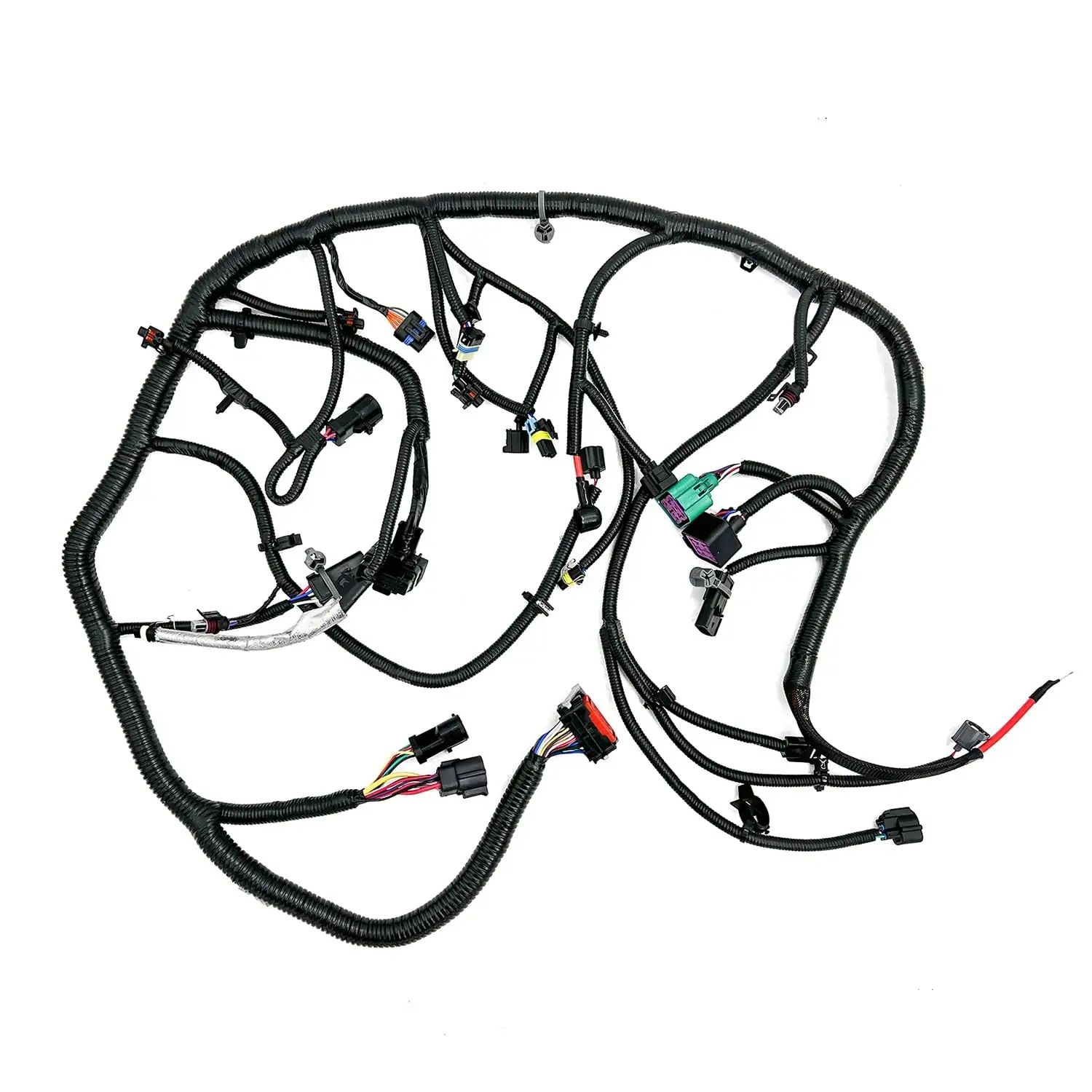 Automotive Wiring Harness
4C3Z-12B637-CA Engine Wiring Harness For Ford Super DutyGlow plug and engine harness for 2004 Ford 6.0L Super Duty and Excursion
View Specifications
Automotive Wiring Harness
4C3Z-12B637-CA Engine Wiring Harness For Ford Super DutyGlow plug and engine harness for 2004 Ford 6.0L Super Duty and Excursion
View SpecificationsYes. The harness is built to retain the OEM amplifier circuits.
Most follow the ISO standard, but some models differ. Send the model and year and we confirm.
We will tell you what we would change and why, before you commit to a sample run.