
Preparation and common mistakes in insulator assembly
What to inspect, clean, prepare and verify before assembling insulators, and the four assembly mistakes that cause most in-service failures.
Four things to do before anything goes up
Visual inspection first: check every unit for cracks, chips and bubbles on porcelain and glass types, or sheath damage on composite types, and reject any insulator with an obvious defect. Then cleaning: wipe the surface with a clean cloth to remove dust, dirt and oil, and for units going into polluted areas, clean with a neutral detergent and dry thoroughly. Then tools: prepare matched hardware, clevises, ball sockets, pins and clamps, along with torque wrenches and lifting tools, and confirm all hardware is galvanised and free of rust. Finally parameters: verify that insulator type, rated voltage and mechanical strength match the design requirements of the line or equipment.
Mistake one: over-tightening
Excessive torque on bolts or pins cracks the insulator cement or damages a composite sheath. The damage is usually invisible at the time and shows up as a failure later. Use a torque wrench, not a feel for it.
Mistake two: skipping the locking devices
Forgetting a cotter pin or a spring washer means the pin works loose in service, and a loose pin eventually drops the string. This is one of the most common causes of string disconnection and one of the easiest to avoid.
Mistake three: mixing types
Do not assemble insulators of different voltage levels, materials or manufacturers in one string. Mixed units share load unevenly, and uneven sharing leads to insulation failure. This applies to coupling variants as well: a 16 mm and a 16C coupling do not belong in the same string.
Mistake four: rough handling
Dropping or dragging insulators during assembly causes hidden internal cracks that the naked eye cannot see. A unit that has been dropped should be treated as scrap, not as stock.
Keep reading
Related guides
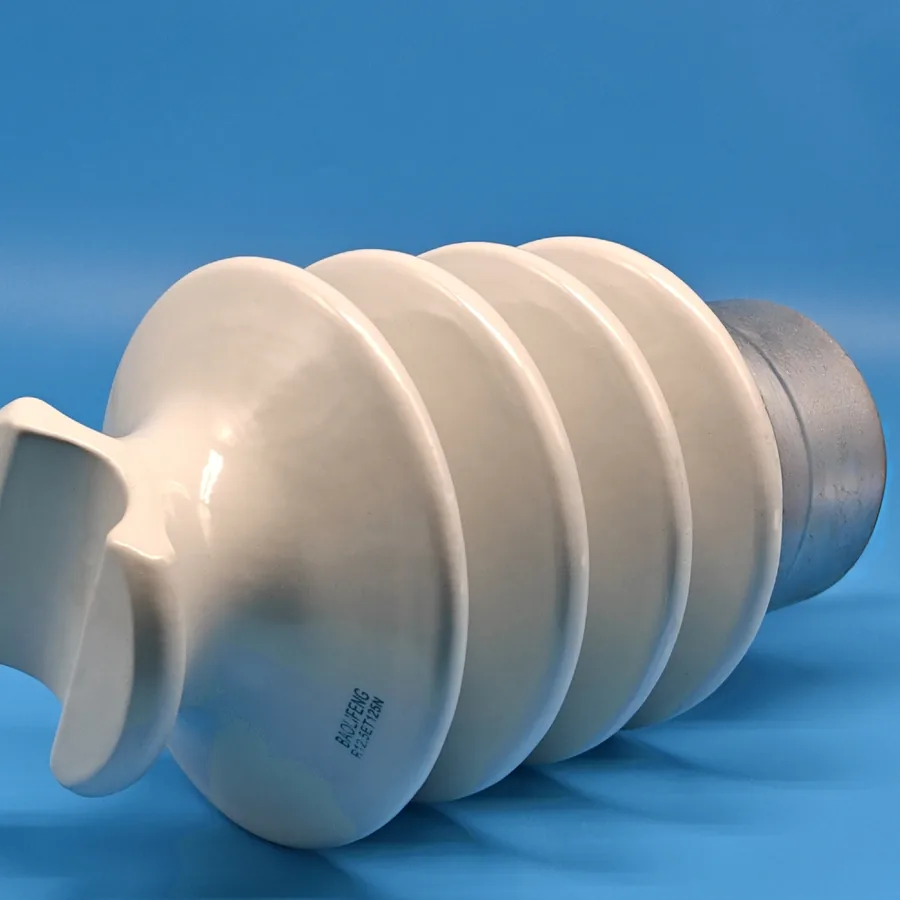
Visual and instrument-based checks for detecting zero-value porcelain discs, self-exploded glass units and internal defects in composite insulators.
Read the guide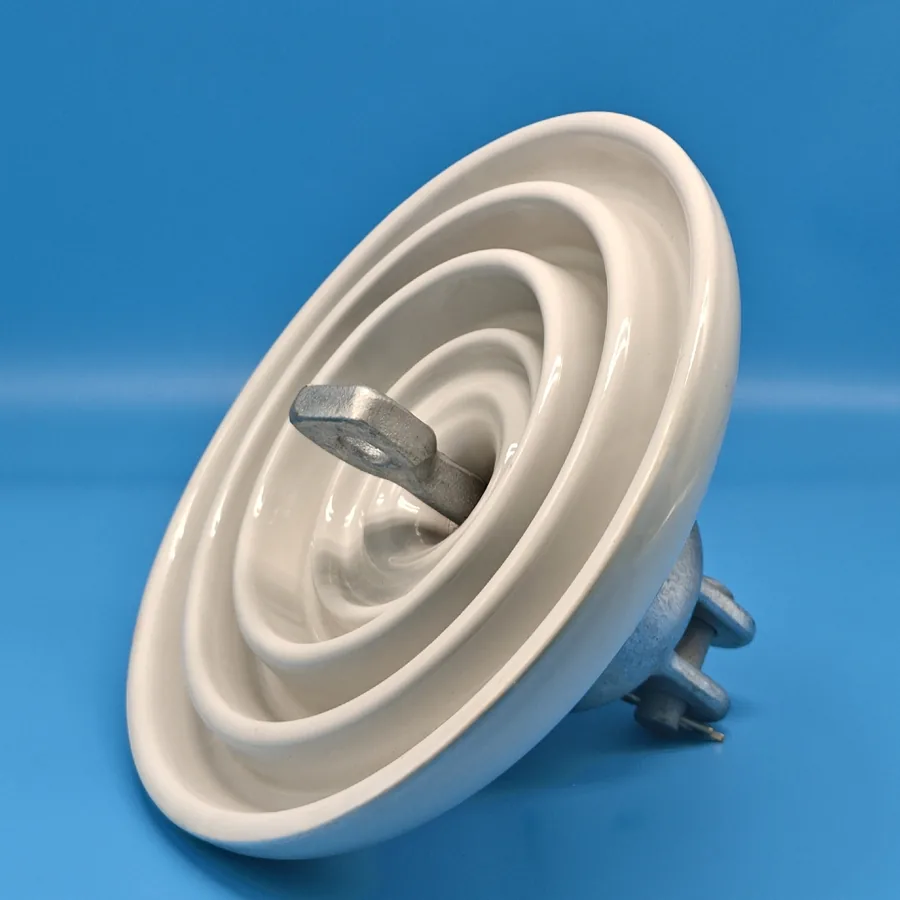
Expected service life for porcelain, glass and composite insulators, and the failure rate and test thresholds that justify batch replacement.
Read the guideAnswers
Related questions
Should we test units before installation?
Visual inspection is the minimum. Where a batch has had a rough journey, spark gap or insulation resistance testing on a sample is a reasonable additional check.
Do you provide on-site assembly guidance?
For large projects we send engineers to provide on-site installation, debugging and construction guidance.
From the calculation to the quotation
Once the quantity is settled, send it over with the destination port and we will price it delivered.