
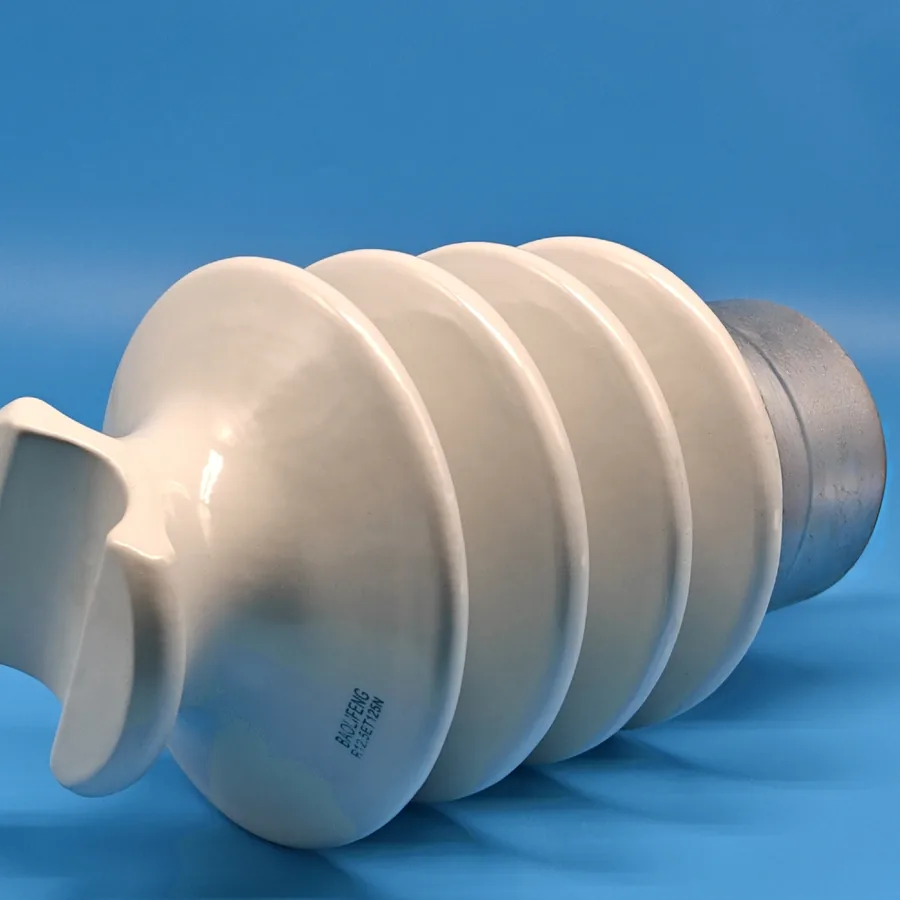
Line Post Insulator R12.5ET125N
Porcelain line post, 160 mm shed diameter, 305 mm high, 400 mm creepage, 8 kN cantilever.
A post you can size against a real number. The published 8 kN cantilever failing load is the figure to compare with the wind and angle loads your span actually produces, with 400 mm of creepage for the electrical side of the same decision.
Dimensions
| Shed diameter (D) | 160 mm |
| Height (H) | 305 mm |
| Creepage distance | 400 mm |
Mechanical values
| Cantilever failing load | 8 kN |
Electrical values
| Power frequency wet withstand voltage | 65 kV |
| Dry lightning impulse withstand voltage | 150 kV |
Radio influence voltage
| Test voltage RMS to ground | 15 kV |
| Maximum RIV at 1000 kHz | 100 microvolts |
Who this is for
Specified by
- Utilities building compact distribution and sub-transmission lines in narrow corridors
- Network planners upgrading existing pin-insulator lines where creepage has become the limit
- EPC contractors on angle and small dead-end structures
- Grid operators in areas with industrial or agricultural pollution
The problem it is built around
Compact line construction trades right-of-way width for mechanical load on the insulator. A post specified only by height and voltage class ends up carrying a transverse load nobody calculated, and the failures cluster at angle structures.
What you get instead
A post you can size against a real number. The published 8 kN cantilever failing load is the figure to compare with the wind and angle loads your span actually produces, with 400 mm of creepage for the electrical side of the same decision.
Why ours
150 kV dry lightning impulse withstand against a 65 kV power frequency wet withstand, and radio influence voltage capped at 100 microvolts at 1000 kHz when tested at 15 kV to ground, so the post stays quiet on lines running close to communications.
Use guide
Before it goes on the line
- Calculate the transverse load from wind on the span plus the resultant of conductor tension at the structure angle, then apply the safety factor in your grid code before comparing with the 8 kN cantilever failing load.
- Check for chips and glaze cracks before mounting. A chipped shed reduces the effective creepage path.
- Do not over-torque the base fixing. Excessive torque on the base is a common cause of hidden cracking in post bodies.
- In polluted areas, include the post in the same washing or greasing programme as the rest of the line.
Comparison
How it differs from the alternative
Compared with the P-6T pin type insulator, this post more than doubles the creepage distance, from 195 mm to 400 mm, and carries the conductor on top rather than tied to the side. Choose the pin type for plain 10 kV runs and the post where creepage or mechanical stiffness decides.
Related products
Often specified alongside
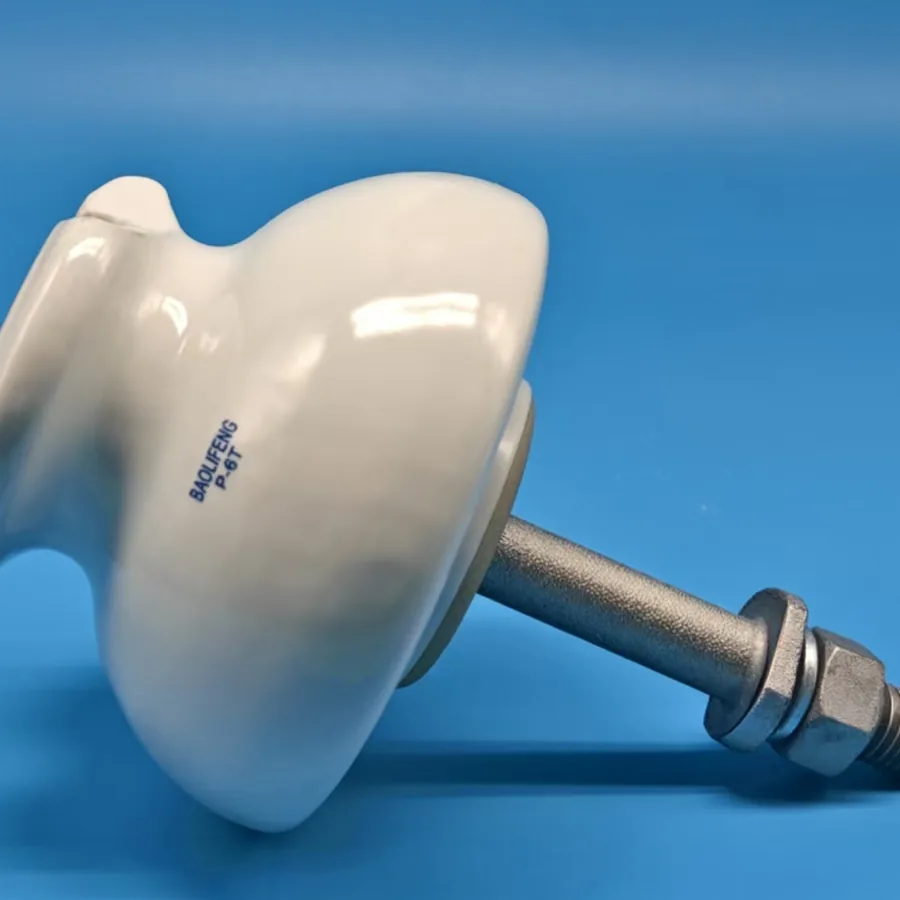
10 kV porcelain pin insulator, 145 mm diameter, 195 mm creepage, 11 kN porcelain bending strength.
View specifications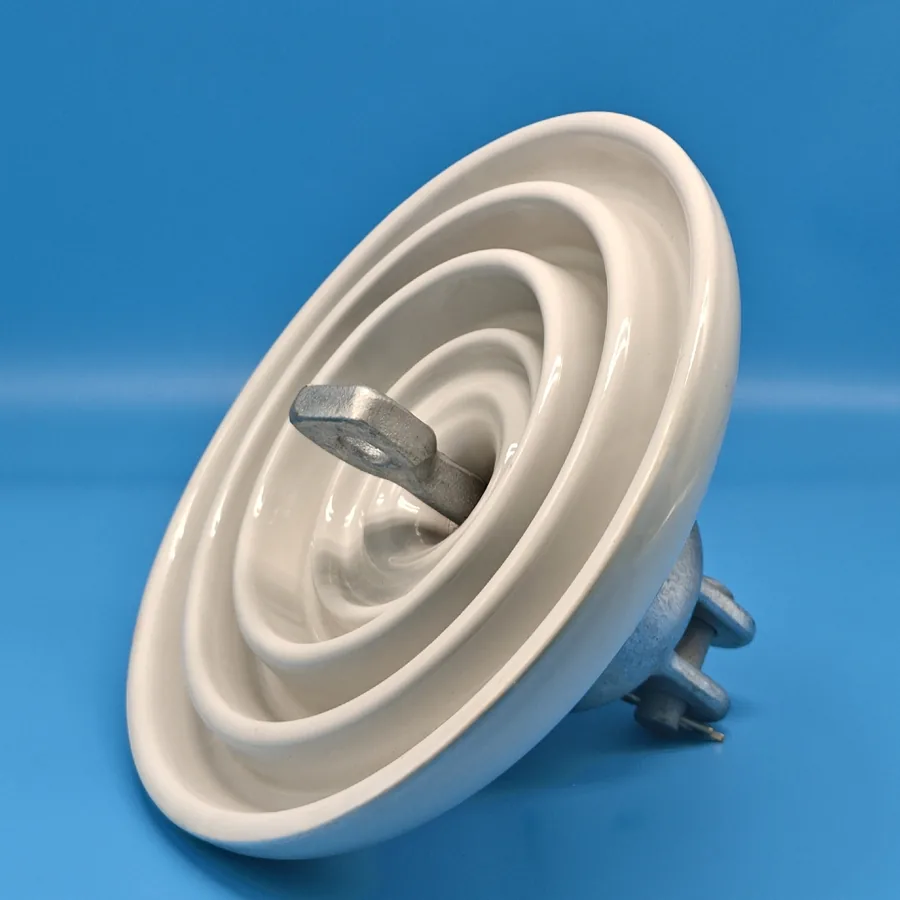
70 kN cap-and-pin porcelain disc, 146 mm spacing, 320 mm creepage, 16C coupling.
View specifications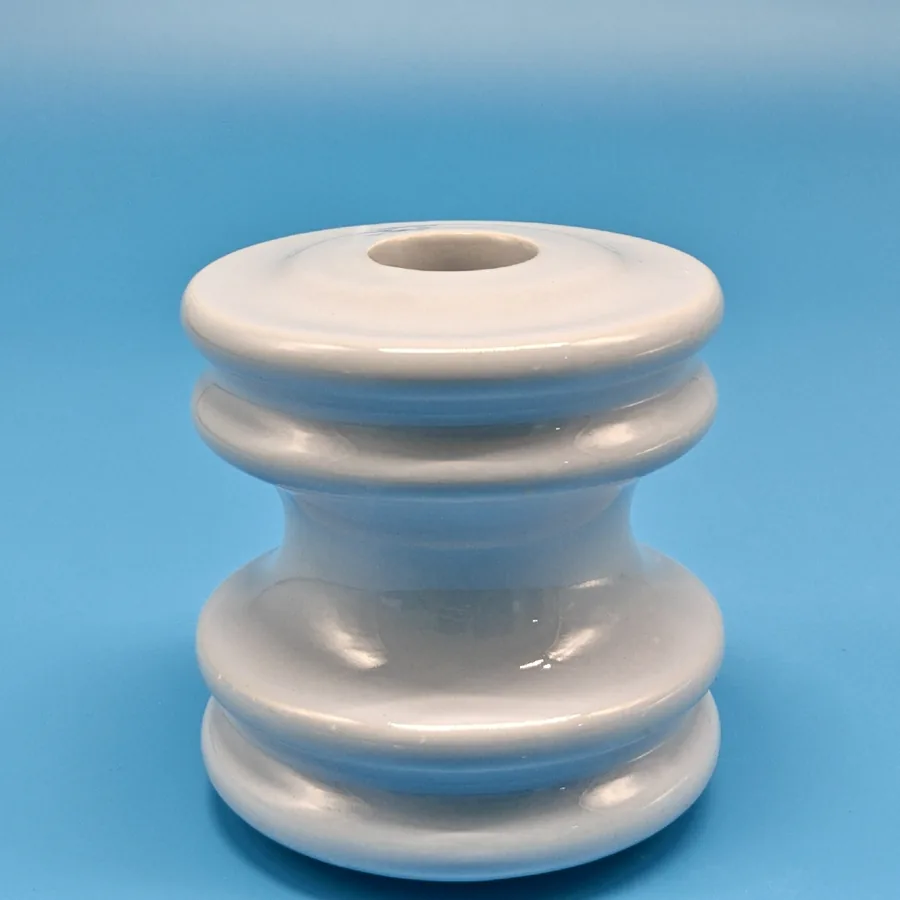
Largest spool in the range: 90 mm diameter, 15 kN transverse strength, 22 kV dry flashover.
View specificationsAnswers
Line Post Insulator R12.5ET125N: buyer questions
What is the cantilever failing load?
8 kN. It is the transverse load at which the post is expected to fail, and design loads should sit below it by the margin your specification requires.
What creepage does it give?
400 mm, over a 305 mm height and a 160 mm shed diameter.
Is it suitable for polluted environments?
The 400 mm creepage distance is the starting point, but pollution class, altitude and washing regime all feed into the selection. Send us the site data and we will work through the creepage requirement.
What fixings are available at the base?
Confirm the drilling and mounting arrangement on your structures and we will quote the base fitting to match.
Quote the Line Post Insulator R12.5ET125N
Tell us the quantity, the destination port and the delivery window, and we will come back with a delivered price and a production slot.