
How to identify a faulty insulator in service
Visual and instrument-based checks for detecting zero-value porcelain discs, self-exploded glass units and internal defects in composite insulators.
Porcelain and glass: look first
Start with a visual inspection. Look for cracks, for self-explosion on glass units, which is a designed characteristic of toughened glass rather than a surprise, and for loose cement bonding between the insulator body and the fittings. Loose cement is the one most often missed, because it looks fine from the ground.
Porcelain and glass: then measure
Use a spark gap tester or an insulation resistance meter to detect zero-value and low-value insulators. A zero-value insulator cannot bear voltage at all and has to be replaced immediately; it is an active reduction in the insulation of the whole string, not a cosmetic problem.
Composite insulators need different eyes
Check for sheath aging, cracking and shedding, for core rod exposure, and for end fitting corrosion. Then use an ultrasonic detector or an infrared thermal imager to find the internal defects that are not visible on the surface. A composite insulator degrading internally can look perfect.
Turning findings into a decision
Individual defective units get replaced individually. Self-exploded glass units are replaced one at a time, and there is no need for batch replacement if overall performance is good. The threshold for a batch decision is a line failure rate above 5 %, or test results showing that most units have dropped below the design insulation standard.
Keep reading
Related guides
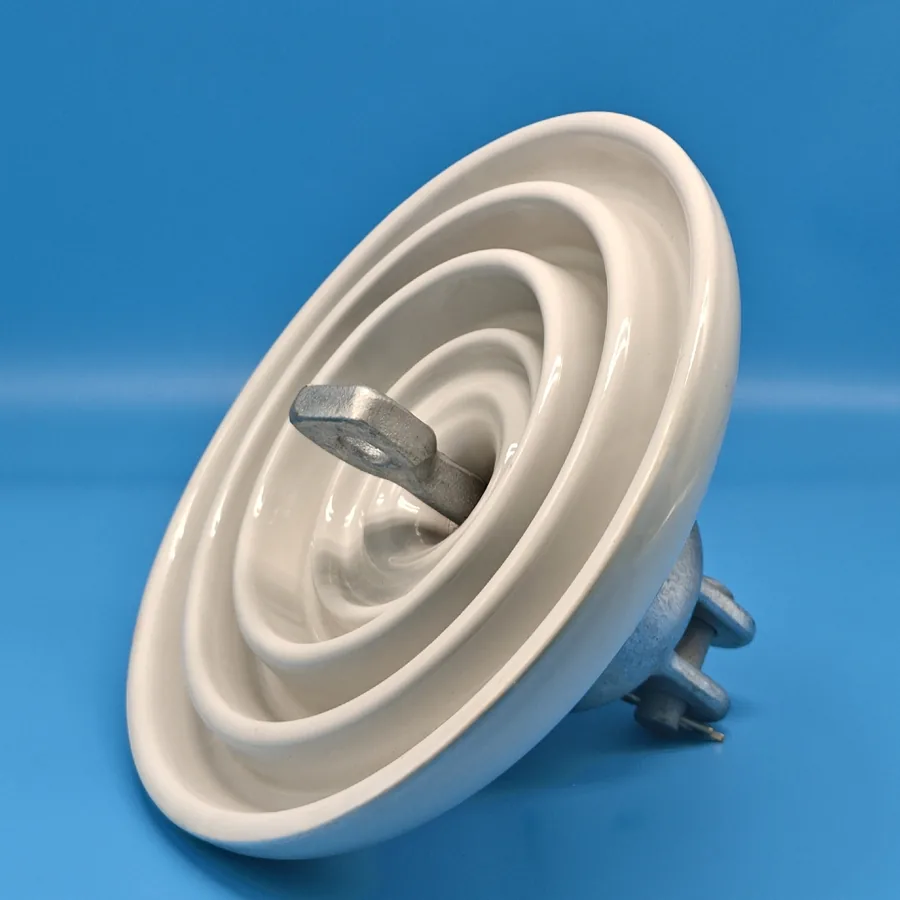
Expected service life for porcelain, glass and composite insulators, and the failure rate and test thresholds that justify batch replacement.
Read the guide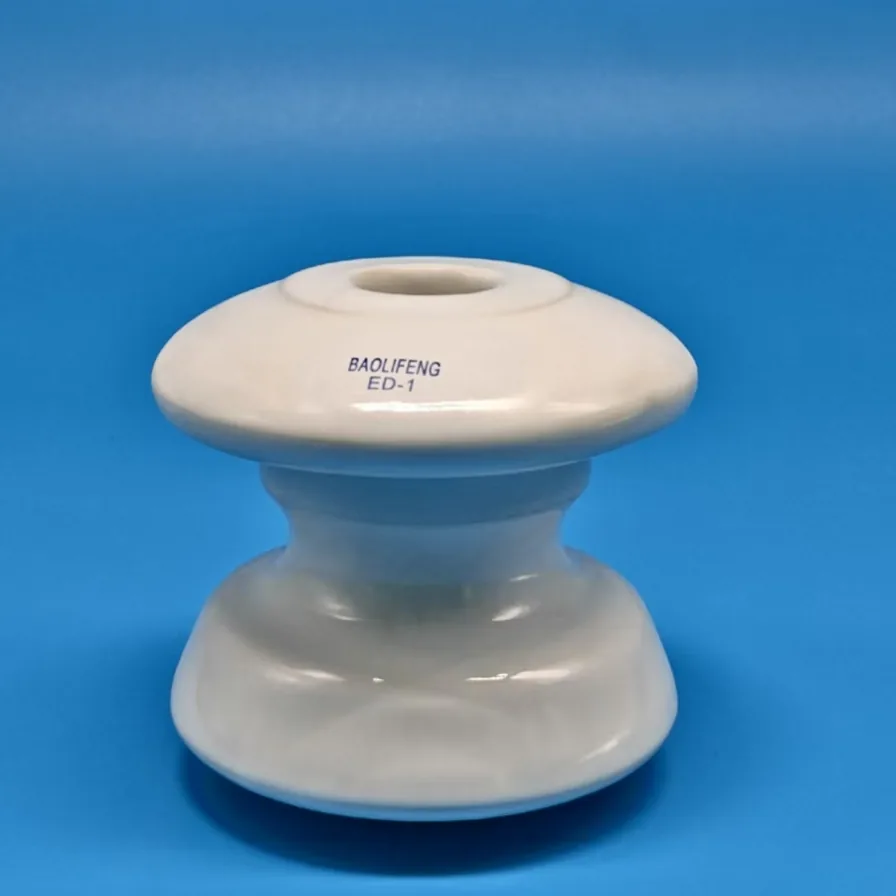
What to inspect, clean, prepare and verify before assembling insulators, and the four assembly mistakes that cause most in-service failures.
Read the guideAnswers
Related questions
What is a zero-value insulator?
A unit whose insulation has degraded to the point that it carries no voltage. It has to be replaced immediately because the rest of the string is carrying its share.
Is glass self-explosion a defect?
It is a characteristic of toughened glass insulators. The unit fails visibly and is replaced individually; it does not by itself indicate a batch problem.
From the calculation to the quotation
Once the quantity is settled, send it over with the destination port and we will price it delivered.