
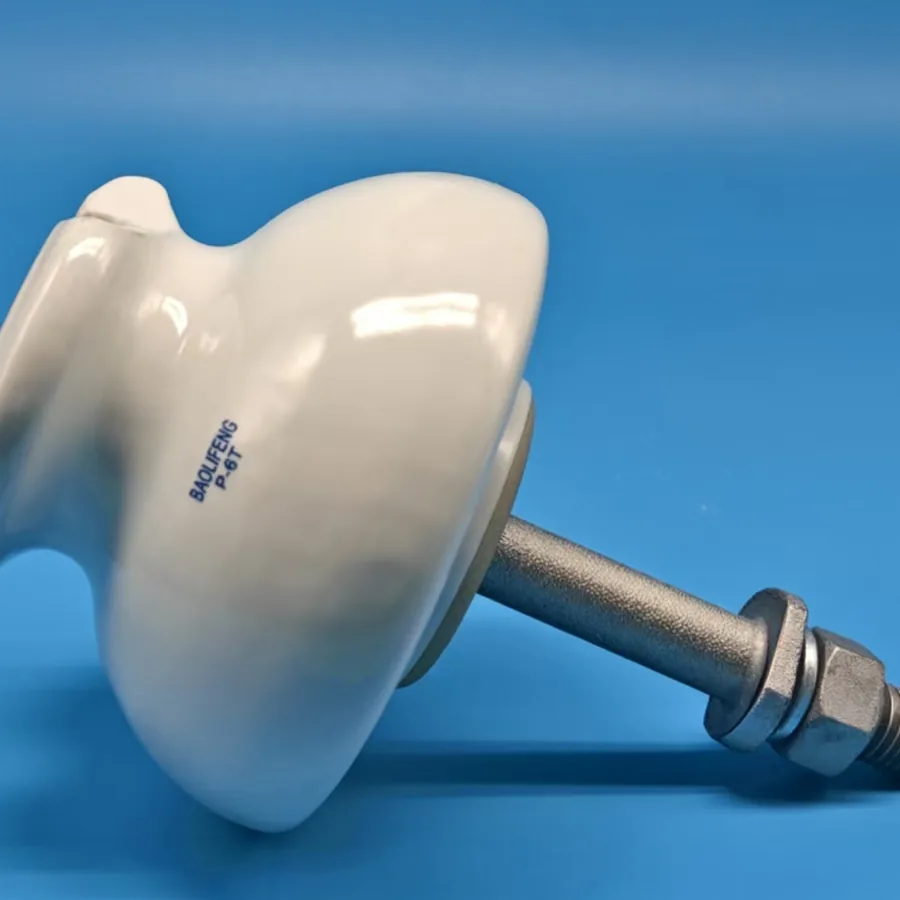
Pin Type Insulator P-6T
10 kV porcelain pin insulator, 145 mm diameter, 195 mm creepage, 11 kN porcelain bending strength.
A 95 kV power frequency puncture voltage against a 30 kV wet power frequency withstand. The unit is built to flash over externally, clear, and stay in service rather than fail internally and take the structure with it.
Dimensions
| Diameter (D) | 145 mm |
| Height (H) | 105 mm |
| Creepage distance | 195 mm |
Mechanical values
| Insulator bending withstand strength | 1.4 kN |
| Porcelain bending withstand strength | 11 kN |
Electrical values
| Rated voltage | 10 kV |
| Power frequency wet withstand voltage | 30 kV |
| Dry lightning impulse withstand voltage | 75 kV |
| Power puncture voltage | 95 kV |
Radio influence voltage
| Test voltage RMS to ground | 10 kV |
| Maximum RIV at 1000 kHz | 50 microvolts |
Who this is for
Specified by
- Distribution utilities operating 10 kV overhead networks
- Rural electrification programmes extending medium voltage feeders
- EPC contractors building or rebuilding pole lines at volume
- Distributors supplying line hardware to municipal networks
The problem it is built around
A pin insulator that punctures rather than flashes over destroys the pin and the crossarm and leaves a fault that cannot be seen from the ground. The margin between puncture and flashover is decided by the porcelain, and it is the first thing a low-cost unit gives up.
What you get instead
A 95 kV power frequency puncture voltage against a 30 kV wet power frequency withstand. The unit is built to flash over externally, clear, and stay in service rather than fail internally and take the structure with it.
Why ours
Two bending figures published rather than one: 1.4 kN insulator bending withstand for the service case and 11 kN porcelain bending strength for the body, so you can see the margin instead of taking it on trust.
Use guide
Before it goes on the line
- Verify the rated voltage and mechanical strength against the line design before issuing stock to crews. This unit is rated 10 kV.
- Check every unit for cracks, chips and bubbles before installation and reject any with visible defects.
- Make sure the pin thread and head match the insulator and that the pin hardware is galvanised and free of rust.
- Tie the conductor without over-tightening the binding. A tight binding on a hard glaze is a slow abrasion problem.
Comparison
How it differs from the alternative
Against the R12.5ET125N line post, the P-6T is lower, lighter and cheaper but gives 195 mm of creepage rather than 400 mm. On clean 10 kV runs it is the economical choice; where pollution drives the design, the line post is.
Related products
Often specified alongside
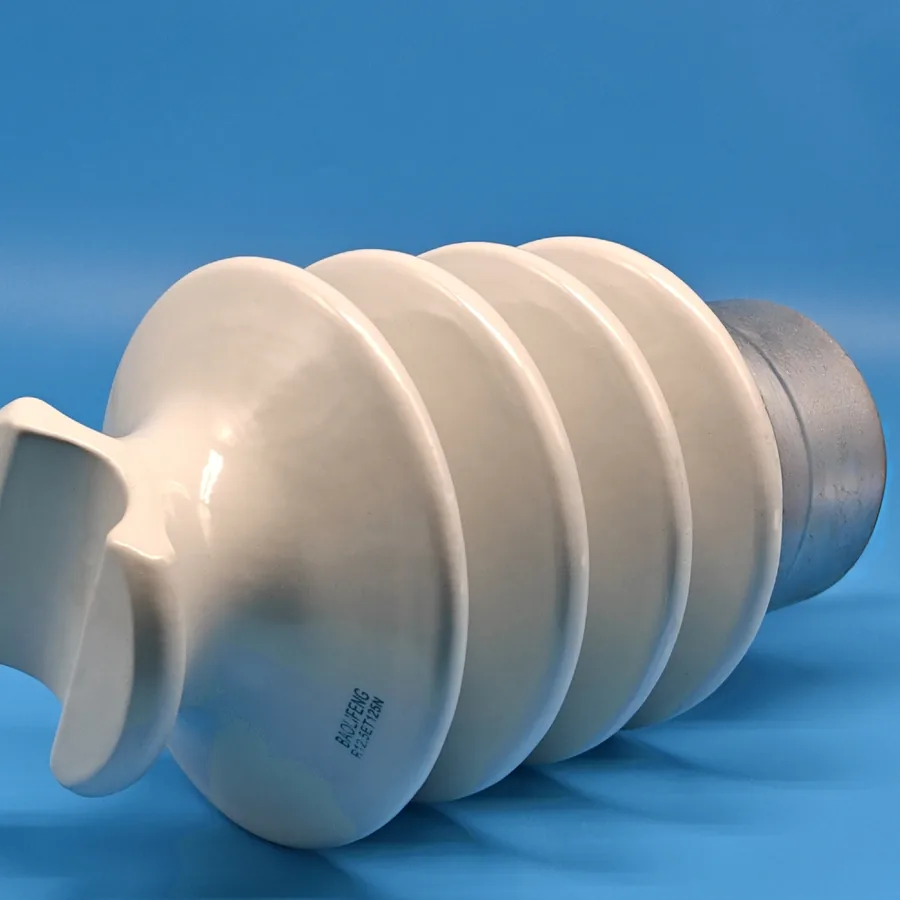
Porcelain line post, 160 mm shed diameter, 305 mm high, 400 mm creepage, 8 kN cantilever.
View specifications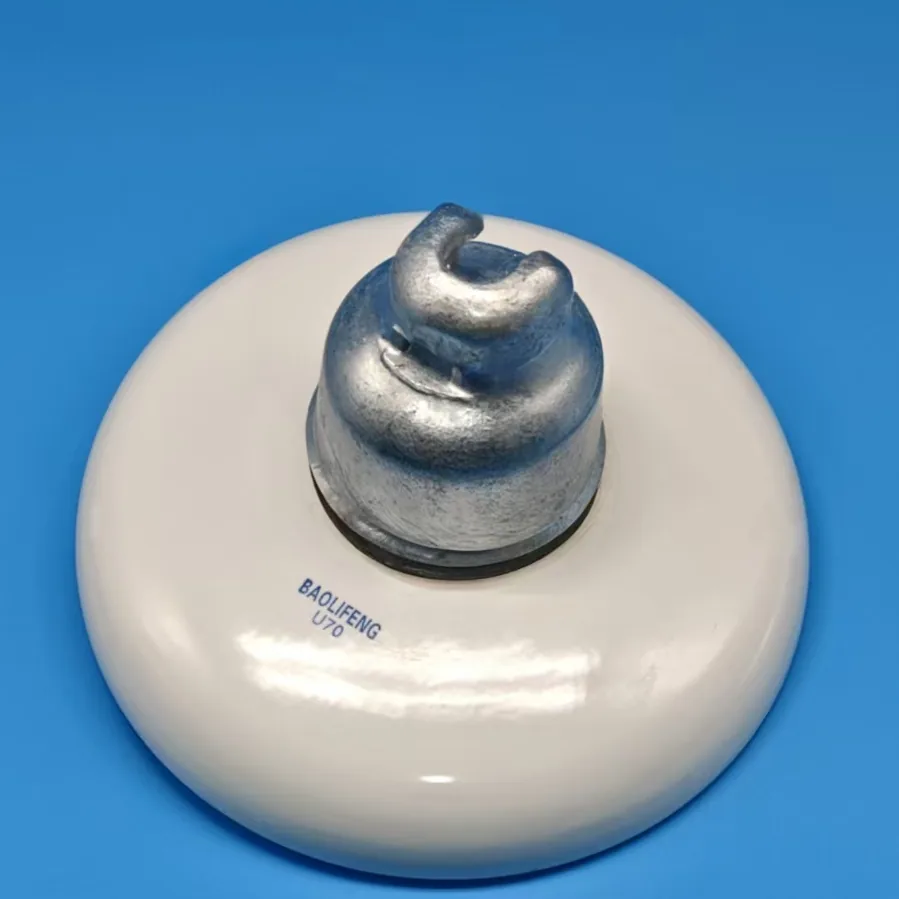
70 kN cap-and-pin porcelain disc, 146 mm spacing, 320 mm creepage, 16 mm coupling.
View specifications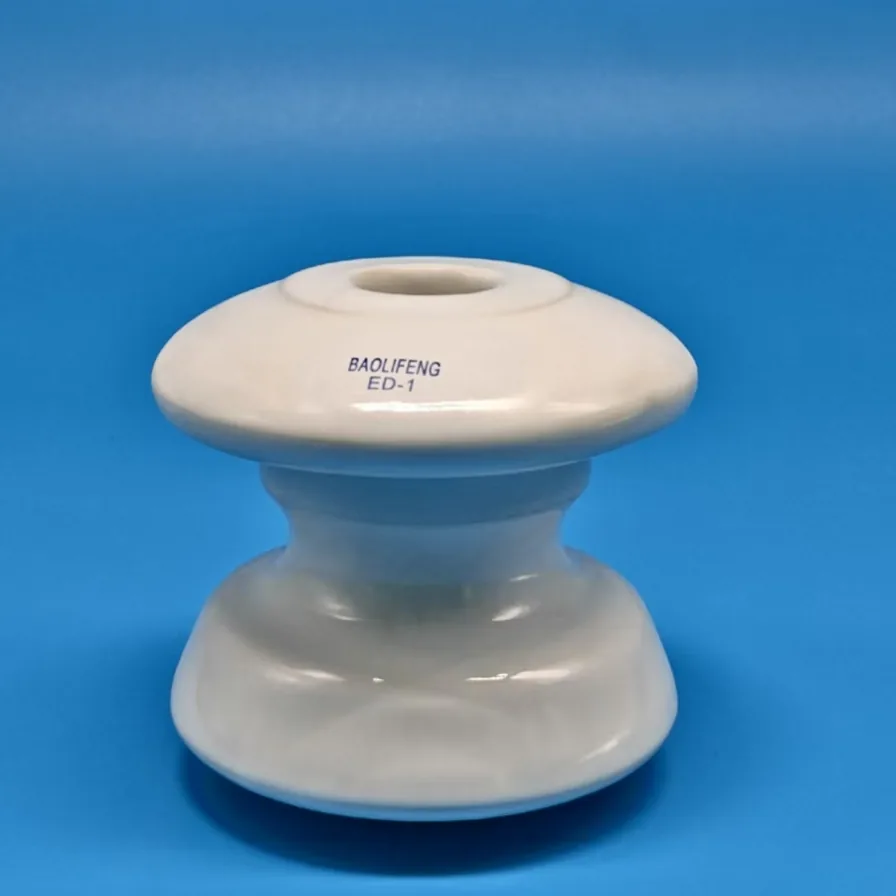
Larger shackle: 100 mm diameter, 12 kN transverse strength, 22 kV dry flashover.
View specificationsAnswers
Pin Type Insulator P-6T: buyer questions
What is the rated voltage of the P-6T?
10 kV, with a 30 kV power frequency wet withstand voltage and a 75 kV dry lightning impulse withstand voltage.
Why are two bending strengths given?
The 1.4 kN figure is the bending load the assembled insulator is required to withstand in service. The 11 kN figure is the bending strength of the porcelain body itself.
How much spare quantity should we order?
Industry practice is a 3 to 5 % spare allowance to cover transport and installation losses and early maintenance replacement. For long-term operation, reserving a further 1 to 2 % per year against the installed quantity is a reasonable planning figure.
Are pins and tie wire supplied with the insulator?
They can be quoted together. Send the crossarm drilling and conductor size so the pin and tie are matched to the insulator.
Quote the Pin Type Insulator P-6T
Tell us the quantity, the destination port and the delivery window, and we will come back with a delivered price and a production slot.