
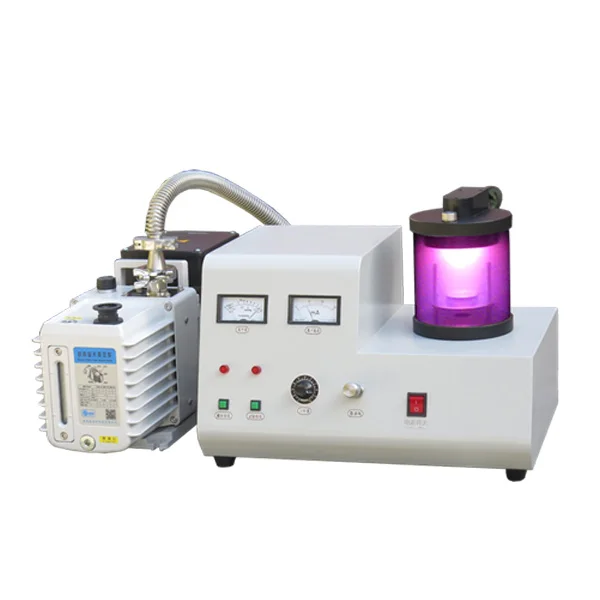
LJ13 Laboratory Vacuum Ion Sputtering Coater
The LJ13 Ion Sputtering Coater is designed for preparing samples for scanning electron microscopy, featuring simple structure, intuitive operation, and convenience. It allows ion sputtering of samples for scanning electron microscopy without requiring high vacuum levels, serving as essential equipment for coating...
Introduction
The LJ13 Ion Sputtering Coater is designed for preparing samples for scanning electron microscopy, featuring simple structure, intuitive operation, and convenience. It allows ion sputtering of samples for scanning electron microscopy without requiring high vacuum levels, serving as essential equipment for coating samples for scanning electron microscopy.
Features and Benefits
- Equipped with a 4C silent vacuum pump, effectively reducing noise and enhancing the experimental experience.
- Comes with a vacuum gauge and sputtering current meter in the sample chamber, providing real-time display and monitoring of instrument status.
- Features edge rubber sealing rings to prevent the “edge collapse” phenomenon of the glass bell jar, ensuring long-term use without affecting the vacuum level of the sample sputtering chamber.
- Equipped with a sputtering current controller and miniature vacuum valves. Combined with automatic control circuits, it enables easy control of vacuum chamber pressure, ionization current, and selection of ionization gases for optimal coating results.
- Standard configuration includes a large-size pure gold target with a diameter of Φ58mm and thickness of 0.12mm, offering a larger sputtering range.
Specifications
Figures below are the manufacturer data for this model. Anything not listed is confirmed in writing with the quotation rather than estimated here.
| Model | LJ13 |
|---|---|
| Control Panel: Vacuum Gauge: The vacuum level is indicated in units of mmHg or Pa on the dial, allowing easy reading of the vacuum level inside the chamber. Current Meter: Displays the sputtering current value in milliamperes (mA). Fine Adjustment Valve (Inflation Valve): Used to introduce gas into the chamber. Test Button: Used in conjunction with a needle valve to obtain the desired sputtering current value (less than 10mA). Sputtering Button: When the current from the “Test” button is less than 10mA, pressing the “Sputtering” button initiates ion sputtering of the sample. Time Setting Switch: Controls the duration of ion sputtering, with timing options ranging from 10 to 110 seconds. Power Switch: Controls the power supply to the instrument’s chassis and the mechanical pump. | |
| High-purity quartz vacuum chamber Φ130 (internal diameter 118) * 130mm Sample stage size: Φ42mm Adjustable sample stage height: 75mm | |
| Electrical specifications | AC220V 120W |
| Chamber dimensions | Φ130 (inner 118) *130mm |
| Sample stage size | High purityΦ42mm |
| Adjustable sample stage height | Adjustable sample stage height: 75mm |
| Sample temperature | <35~50℃ |
| Applicable target materials | Precious metals:Gold (Au),Platinum (Pt),Palladium (Pd),Gold-Platinum alloy (Au-Pt),Gold-Lead alloy (Au-Pb) Common metals:Copper (Cu),Tungsten (W),Silver (Ag),Chromium (Cr) Etc. |
| Sputtering rate | In general, the thickness of metal used for scanning samples is typically in the range of 100-300 Ångströms. Thickness can be determined empirically using the formula: d = KIVT where: d: coating thickness (in Ångströms) K: a constant depending on the sputtered metal and the gas used (when using a gold target and argon gas, K is 0.17; when using a gold target and air, K is 0.07). This distance is between the target and the sample. I: plasma current (in mA) V: applied voltage (in kV) T: time (in seconds). For example, using a gold target and argon gas with I as 8mA, T as 100 seconds, and V as 1 kV, then, d = KIVT = 0.17×8×I×100 = 136 Ångströms, which is approximately 1.36 Ångströms per second. The sputtering rate depends on the cleanliness of the sputtering system itself, so maintaining cleanliness in the workspace is crucial. The sputtering rate for other metal targets, such as platinum, is approximately half that of gold targets, while the sputtering rate for gold-platinum alloy targets is very close to that of gold targets. |
| Usage Precautions | Target Replacement: Disconnect the high-voltage and ground plugs on the sputtering cover plate, remove the sputtering cover plate, loosen the three top screws, remove the protective plate, and then unscrew the pressure ring to replace the new target. Vacuum Chamber Cleaning:Clean the chamber with anhydrous ethanol and acetone to ensure the system operates properly. Needle Valve Usage:After closing the needle valve, reverse-turn it two rotations to prevent the needle valve from becoming inflexible due to prolonged disuse. If there is no gas released into the chamber when opening the needle valve, fully turn the valve knob to the bottom before reopening it. |
| Standard Equipment | 4C vacuum pump; 1 gold target: Φ58*0.12; One user manual. (Optional molecular pump) |
| Service Support | One-year warranty with lifelong service support |
| Net Weight & Dimensions | 25KG |
Processes This Unit Supports
These are the applications ZYLAB lists this model under. Each link opens the full equipment set for that process, which is useful when a project needs more than one machine.
- General laboratory sample preparation
Who Orders It
Fields this model already works in, plus what ZYLAB puts behind it: a 2-year warranty on most products, glass excluded, spare parts in stock and free application support by WhatsApp or email.
Related Equipment
Models from the same family and the same processes, in case a different chamber size or temperature range fits better.
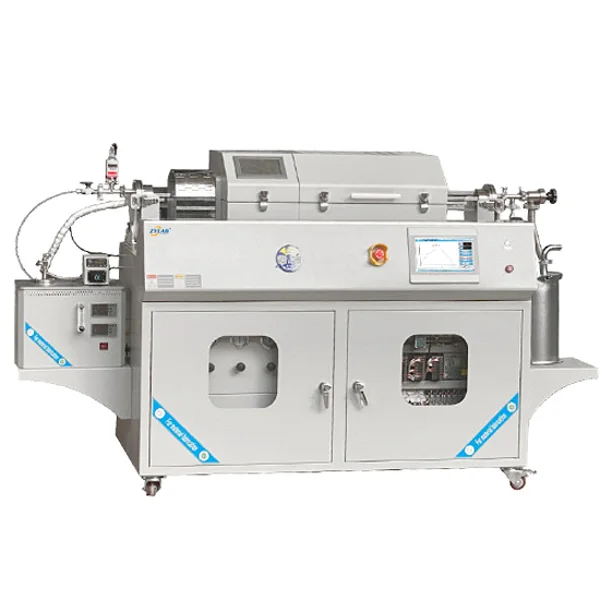
1200°C Dual-Zone PECVD System with Solid–Liquid Evaporation and Anti-Condensation Design, Featuring 4-Channel Gas Delivery
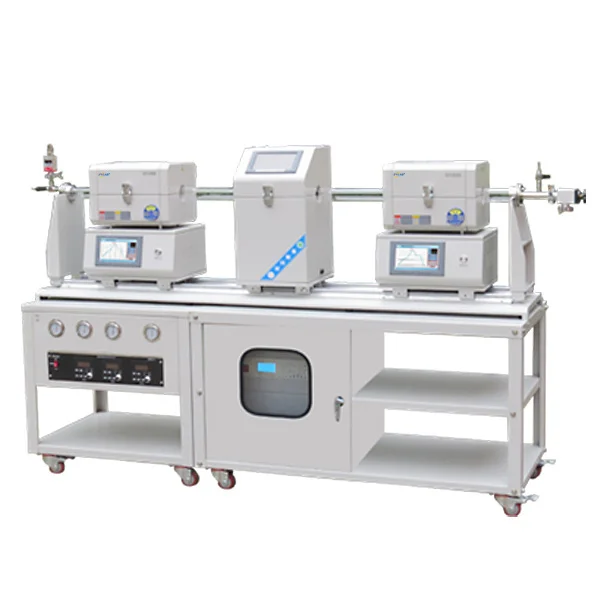
Dual-Furnace Sliding PECVD System for High-Precision Nanowire and Thin Film Deposition
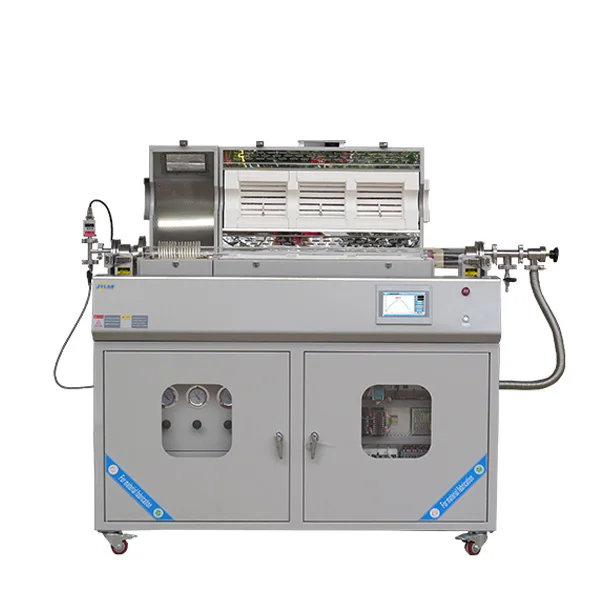
High-Performance Three-Zone PECVD System for Precision Thin Film Deposition
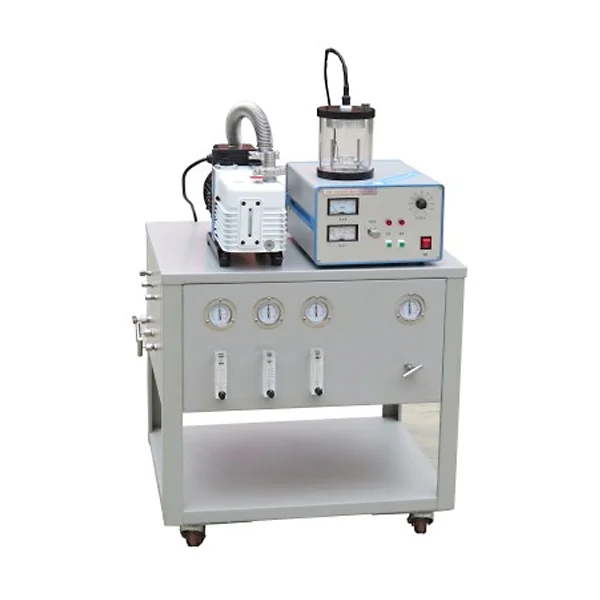
LJ 10 Ion Sputtering Coater with Gas Flow Controller for SEM Sample Preparation
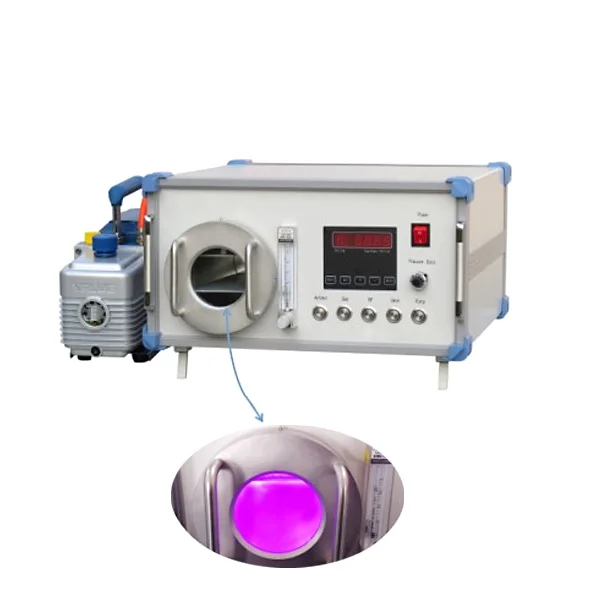
Plasma Cleaner
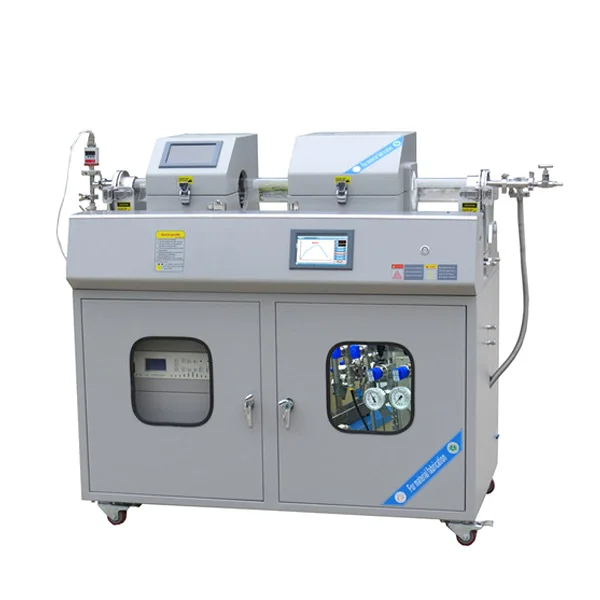
Advanced Plasma-Enhanced Chemical Vapor Deposition PECVD Furnace System
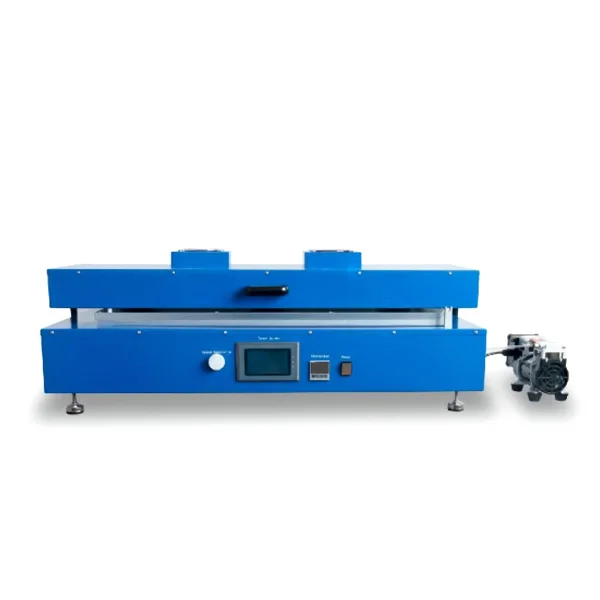
Automatic Coating Machine for Battery Pole Piece
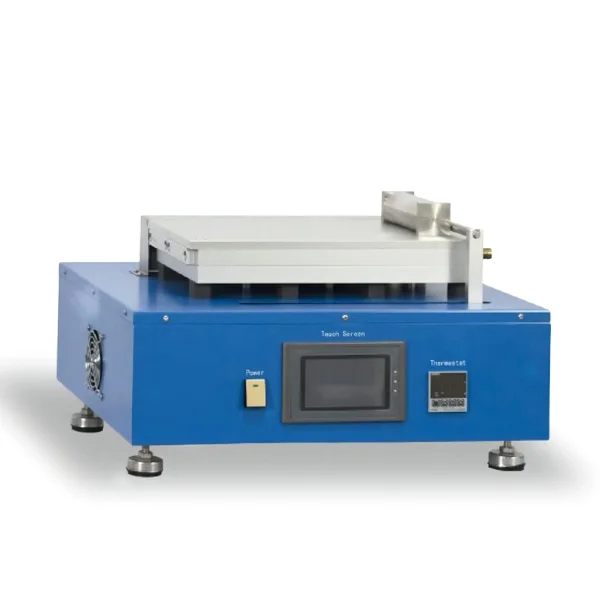
Bottom Heat Film Coater
Ordering LJ13 Laboratory Vacuum Ion Sputtering Coater
What is LJ13 Laboratory Vacuum Ion Sputtering Coater typically used for?
The LJ13 Ion Sputtering Coater is designed for preparing samples for scanning electron microscopy, featuring simple structure, intuitive operation, and convenience. It allows ion sputtering of samples for scanning electron microscopy without requiring high vac
Can LJ13 Laboratory Vacuum Ion Sputtering Coater be customised for our process?
Yes. Chamber or tube size, temperature profile, atmosphere, gas path, control system and data recording can all be adapted. Send us your process conditions and sample details and our engineers work out a configuration with you.
How quickly can LJ13 Laboratory Vacuum Ion Sputtering Coater be shipped?
Most standard ZYLAB models are held in stock. After testing and packing we normally ship LJ13 Laboratory Vacuum Ion Sputtering Coater within 3 to 7 days. Customised builds are scheduled after the drawing is confirmed, and we give you the date in writing before the order is placed.
How is LJ13 Laboratory Vacuum Ion Sputtering Coater packed for export?
Packing is chosen for the safety of the machine against freight cost, typically a plywood or wooden crate with internal padding and vacuum-sealed accessories. Export documents such as Form A, Form E and Form F can be issued to help you save duty.
Can you supply items that are not on this page?
Yes. We have access to the complete lines of most of our suppliers and build custom equipment in our own factory, so tell us what the experiment needs and we will source or make it.
Quote For LJ13 Laboratory Vacuum Ion Sputtering Coater
Tell us the sample, the temperature and the atmosphere. You get the configuration, the price and the despatch date in one reply.